
Maderotherapy vs Lymphatic Drainage: Which Is Better?
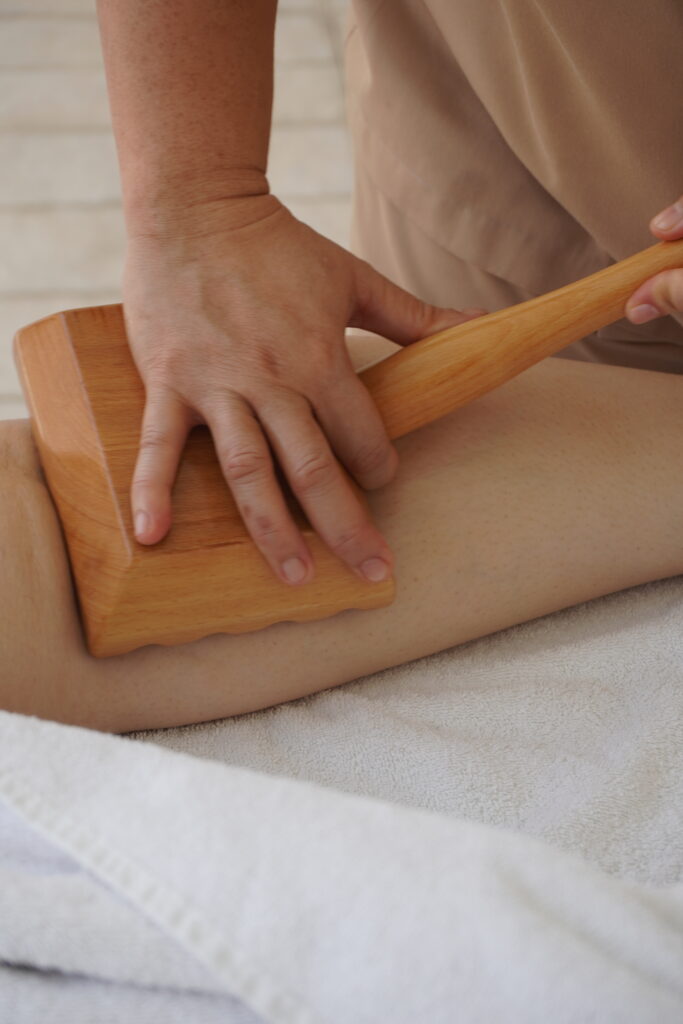
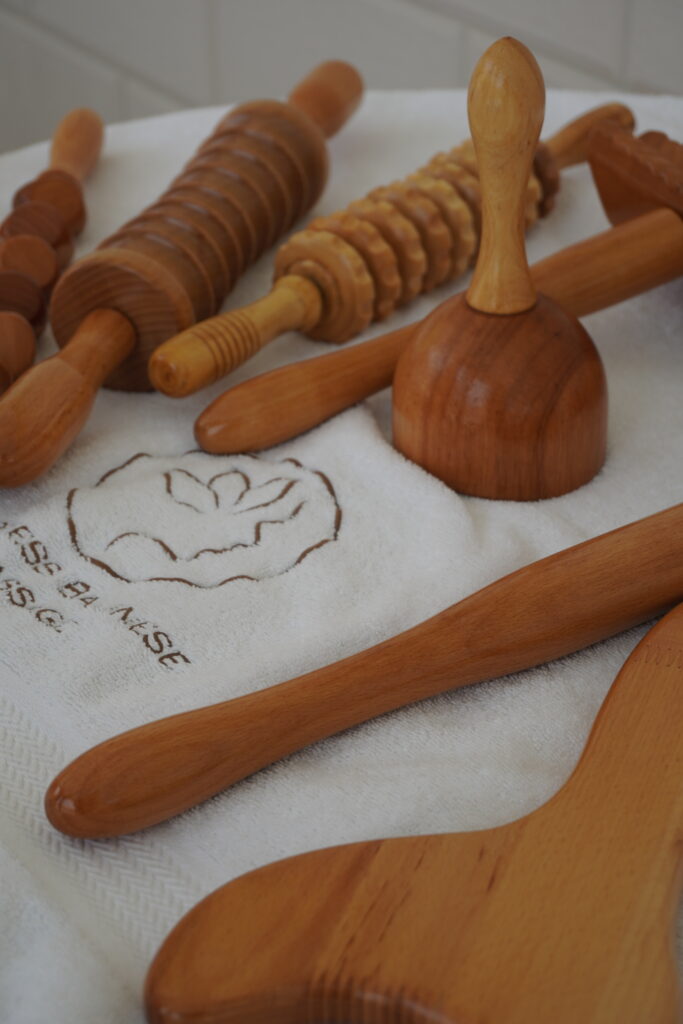
Maderotherapy and lymphatic drainage are often mentioned in the same conversation because both can be booked by clients who feel puffy, heavy or unhappy with the way certain areas look. But the treatments are very different. The quickest way to decide between them is to look at two things: what you want to achieve and what kind of pressure you enjoy. Choose Maderotherapy If You Want a Stronger, More Stimulating Treatment Maderotherapy uses specially shaped wooden tools together with hands-on massage. It is usually medium to firm and can be focused on areas such as the thighs, buttocks, stomach, waist, arms and back. Clients often choose it for: Body contouring The appearance of cellulite Tissue stimulation Fluid movement A firmer, more worked-on feeling after massage At Empress, we do see visible changes for many clients. The body can look smoother or more defined and certain areas may feel lighter. Consistency matters, especially if your goal is to maintain those changes rather than simply enjoy one treatment. Maderotherapy is also a good fit for someone who likes a massage to feel active. You will notice the tools working. It is not designed to feel like an ultra-light relaxation treatment. Choose Lymphatic Drainage If Swelling or Fluid Retention Is Your Main Concern Lymphatic drainage massage is much gentler. The pressure is intentionally light because the treatment is focused on encouraging lymphatic movement rather than working deeply into the muscles. Manual lymphatic drainage is designed as a gentle massage technique using light pressure to help move fluid through the lymphatic system. Cleveland Clinic explains the technique here. Clients book it for: Water retention Swelling Puffiness A heavy feeling in the legs or body Post-operative recovery Facial puffiness The face can be included as part of a full-body lymphatic drainage massage. If a client specifically wants only facial lymphatic drainage, the therapist can also adapt the treatment around that request. We frequently see an immediate before-and-after difference with lymphatic drainage. A stomach may look less bloated, legs can feel lighter and the face may look less puffy. As with maderotherapy, consistency is important if you want to maintain the best result. Which One Is Better for Cellulite? If cellulite appearance is your main concern, maderotherapy would usually be our first recommendation. The wooden tools allow the therapist to work more actively over the thighs, hips and buttocks. Lymphatic drainage can still be useful when fluid retention is contributing to a puffy or heavy appearance, but it has a different purpose and uses much lighter pressure. Some clients choose to use both treatments at different times. That does not mean they should automatically be combined in every appointment. The right approach depends on your body, sensitivity and goals. Which One Is Better If You Feel Bloated or Swollen? Lymphatic drainage is usually the better starting point. If your stomach feels puffy, your legs feel heavy or you notice water retention, the gentle lymphatic approach makes more sense than immediately choosing a firm body-contouring massage. Sudden or unexplained swelling is different. If swelling appears suddenly, is painful, red, hot or mostly affects one side, it should be medically assessed before massage. What If You Like Firm Pressure? Then maderotherapy will probably feel more satisfying. One of the biggest surprises for first-time lymphatic drainage clients is how light it feels. More pressure does not make lymphatic drainage better. If you are expecting deep tissue massage pressure, you may feel as though the therapist is barely doing anything, even though the technique is intentionally gentle. Maderotherapy gives a very different sensation. It is rhythmic, stimulating and much more noticeable. And What About Post-Operative Clients? Post-operative lymphatic drainage is a separate type of need. If you are recovering from cosmetic or other surgery and your surgeon has recommended lymphatic drainage, tell us: What procedure you had When it was performed What instructions you were given We adapt the massage to the stage of recovery and do not treat post-operative work like a standard wellness massage. Your medical team’s recovery instructions should always guide what can and cannot be treated. The Easiest Way to Choose Choose maderotherapy if you are thinking about cellulite appearance, body contouring and a stronger, tool-based treatment. Choose lymphatic drainage if your priority is swelling, water retention, puffiness, post-operative support or a very gentle massage. And if you are somewhere in between, speak to the Empress team before booking. It is much easier to recommend the right treatment when we know what you want to change, how your body currently feels and what type of pressure you enjoy. You can also check our massage prices before choosing your treatment and session length. Still Deciding Between Maderotherapy and Lymphatic Drainage? You do not need to guess from the treatment names. Tell us whether you are dealing mainly with puffiness and fluid retention or whether you want firmer body-contouring work, and our team will guide you towards the better option. WhatsApp Empress on +971 55 133 0557 and tell us what you would like to improve. We’ll help you choose the right treatment for your home massage in Dubai.
Maderotherapy vs Lymphatic Drainage: Which Is Better? Read More »