Lymphatic Drainage & Body Contouring

Guides to lymphatic drainage and Madero wood therapy at home in Dubai: benefits, results, aftercare and which treatment suits you.

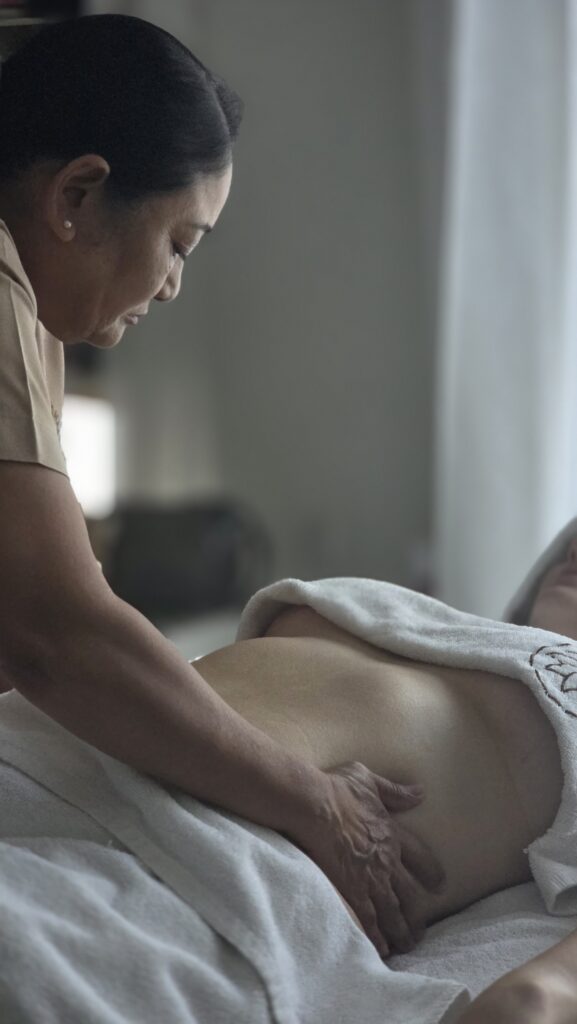
Lymphatic drainage in dubai on stomach of client

Post-Operative Lymphatic Drainage Massage: What to Expect

After surgery, swelling and tightness can make recovery feel uncomfortable and movement may feel different from normal. This is where post-operative lymphatic drainage massage may form part of a recovery plan when it has been recommended by the treating medical professional. The technique is gentle and controlled. But post-operative massage is very different from booking a normal lymphatic drainage massage because you feel puffy after travel or a busy week. The procedure you had, when you had it and your surgeon’s instructions all matter. Why Do Clients Book Lymphatic Drainage After Surgery? Swelling can occur during recovery from many procedures, and clients may feel puffy, tight, heavy or uncomfortable around the treated areas. When the medical team considers it appropriate, manual lymphatic drainage can be used as part of care for swelling following surgery or medical treatment. The pressure is intentionally light. This is not the stage for aggressive body-contouring work or very strong muscular pressure. A newly recovering body needs a therapist who understands that more pressure is not automatically better. What Do We Need to Know Before the Appointment? Before booking, tell the Empress team exactly: What procedure you had The date of the surgery What your surgeon or clinic has advised Whether there are incisions or drains Whether any areas must be avoided Whether you were given a recommended massage schedule If your medical team has specifically told you not to massage an area, that instruction comes first. The therapist’s role is to adapt the massage around the recovery plan, not override it. What Does Post-Surgery Lymphatic Massage Feel Like? Usually much lighter than first-time clients expect. The therapist uses gentle, rhythmic movements rather than pressing deeply into tissue that may already feel tender or sensitive. A post-operative session should be shaped around: Your procedure Stage of recovery Areas approved for treatment Current sensitivity Instructions from your medical team Some clients may notice that an area feels lighter or less tight afterwards, and visible puffiness may also reduce. The amount of change can differ depending on the procedure and where you are in the recovery process. Are Before-and-After Results Permanent? Not after one massage. Your body is still healing, and swelling can change during recovery. You may look less puffy after a session and then notice some swelling again later as the recovery process continues. That does not make one treatment a failure. It simply means post-operative recovery cannot be judged by one before-and-after photograph. Where a series of treatments has been recommended, consistency should follow the recovery guidance you have been given rather than an arbitrary massage schedule. If you want to understand how this differs from standard wellness treatment, our guide to lymphatic drainage massage benefits and before-and-after results explains the broader treatment in more detail. Can Post-Operative Lymphatic Drainage Include the Face? It can, when facial lymphatic work is appropriate for the procedure and has been cleared within the recovery plan. Facial lymphatic drainage also uses very gentle movements. However, the therapist should not automatically work directly over or around a recently operated area simply because swelling is present. The procedure, healing stage and medical guidance determine what is appropriate. When Should the Appointment Be Postponed? Contact your medical team first if you develop symptoms they have told you to watch for, such as: Fever Worsening redness Severe or unexpected pain Unusual discharge Shortness of breath Another sudden or concerning change during recovery Massage should not delay medical review of a possible post-operative complication. Once your recovery team considers massage appropriate, the Empress therapist can work within those instructions. Why Can Home Treatment Be Helpful During Recovery? Travelling can feel like unnecessary effort when you are swollen, tender or moving carefully after a procedure. With Empress, the treatment comes to your Dubai home. The therapist brings the professional setup, works within the recovery instructions you have shared and packs everything away afterwards. That means there is no additional journey once the session ends. For someone recovering after surgery, simply removing the need to travel can make the appointment much easier to manage. You can also check the Empress massage prices when discussing the appropriate treatment and session length with the team. Recovering from Surgery and Considering Lymphatic Drainage? Before booking, send us the procedure you had, the date it was performed and any instructions your surgeon or clinic has given you. That information helps us understand whether the appointment is appropriate for your current stage of recovery and how the session needs to be adapted. WhatsApp Empress on +971 55 133 0557 with your procedure and surgery date, and our team will guide you on the next step.  

Post-Operative Lymphatic Drainage Massage: What to Expect Read More »
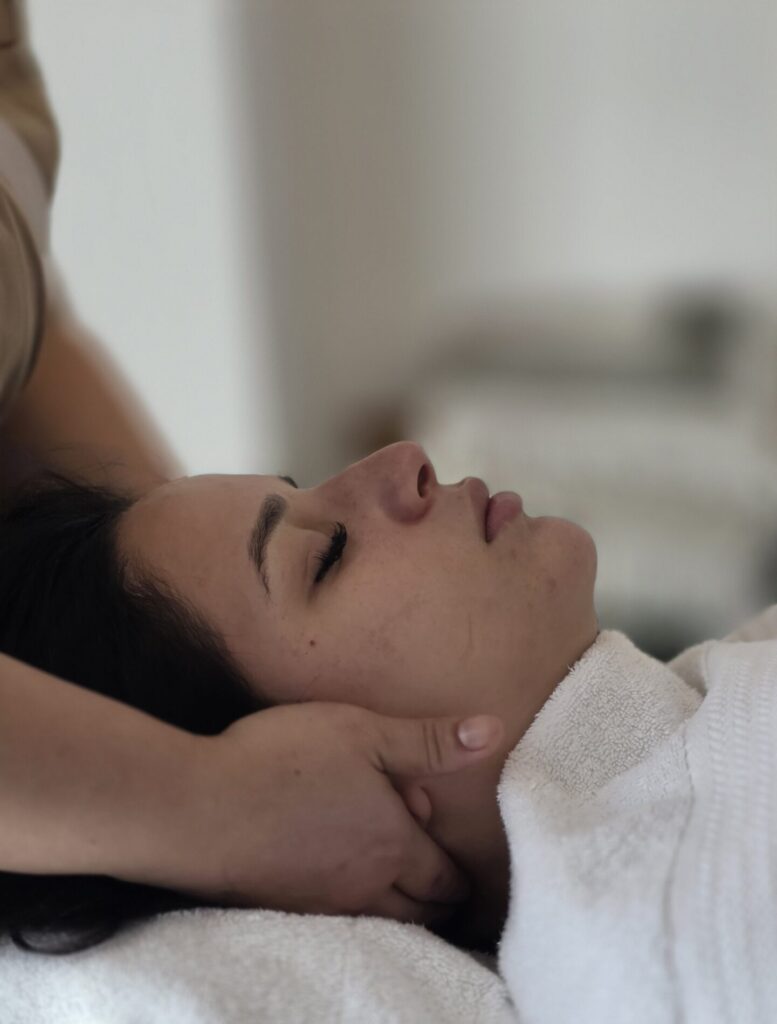
Client relaxing with eyes closed during a neck massage

Facial Lymphatic Drainage: Can It Reduce Puffiness?

If your face looks puffy in the morning or feels heavier than usual, it is easy to reach for ice rollers, gua sha tools and every de-puffing trick on social media. Facial lymphatic drainage takes a much gentler approach. It uses light, controlled massage movements around the face, neck and nearby lymphatic pathways to support fluid movement and reduce puffiness. At Empress, facial lymphatic drainage can be included as part of our full-body lymphatic drainage massage. If the face is your main concern, the treatment can also be adapted to focus specifically on the face and nearby areas when requested. Why Is Facial Lymphatic Drainage So Gentle? Because lymphatic drainage is not Deep Tissue massage for the face. The pressure is intentionally light. Pressing harder does not make the technique better and can simply make a sensitive face uncomfortable. Manual lymphatic drainage uses gentle, light-pressure massage techniques designed around lymphatic movement. During facial work, the therapist may use slow, rhythmic movements around areas such as the: Neck Jawline Cheeks Sides of the face Forehead Collarbone region Most clients find the technique extremely relaxing. Can Facial Lymphatic Drainage Reduce Puffiness? Yes. This is one of the most common reasons clients request it. When puffiness is related to ordinary fluid retention, we can often see an immediate difference after the massage. The face may look less swollen, features can appear more defined and some clients simply notice that their face feels lighter. It is important to understand what has changed. Facial lymphatic drainage does not remove facial fat or permanently alter the structure of the face. The aim is to reduce puffiness, not redesign the face. What Can a Facial Lymphatic Drainage Before and After Look Like? The difference can be subtle or noticeable depending on how puffy the face was before treatment. Some clients may notice: Less puffiness around the face More visible definition around the jawline or cheeks A lighter feeling A less heavy-looking appearance The most dramatic photograph is not necessarily the best measure of the treatment. Lighting, time of day, sleep and other everyday factors can change how the face looks from one photo to another. If puffiness is something you experience regularly, consistency is usually more useful than expecting a single treatment to create a permanent change. Is Facial Lymphatic Drainage the Same as a Facial? No. A traditional facial is mainly a skincare treatment and may include cleansing, exfoliation, masks, serums or moisturisers. Facial lymphatic drainage is a massage technique. The focus is on gentle lymphatic movement rather than exfoliating or treating the surface of the skin. It can sit alongside a skincare routine, but the two treatments have different purposes. Can the Face Be Included in a Full-Body Lymphatic Drainage Massage? Yes. This is how Empress commonly approaches facial lymphatic drainage. A lymphatic drainage massage can include appropriate full-body lymphatic work together with the face and neck. If facial puffiness is your main concern, mention it when booking so the therapist can allocate enough time to the area. If you specifically want the treatment focused on the face and nearby areas, tell the team when arranging your appointment so the session can be planned accordingly. When Is Facial Swelling More Than Ordinary Puffiness? There is a difference between the everyday puffiness you recognise and swelling that appears suddenly or without an obvious explanation. If facial swelling is severe, painful or associated with symptoms such as breathing difficulty, swelling around the mouth or throat, fever or significant redness, seek appropriate medical attention rather than booking a massage. Persistent unexplained facial swelling should also be assessed. This safety guidance does not need to dominate the treatment. It simply helps separate ordinary puffiness from symptoms that require a different type of attention. Facial Lymphatic Drainage at Home in Dubai One advantage of having facial lymphatic drainage at home is what you do not have to do afterwards. There is no need to immediately put makeup back on, get into the car or sit in Dubai traffic. The therapist brings the professional treatment setup to your home, performs the session and packs everything away afterwards. You can simply remain comfortable and enjoy the lighter feeling. You can also check the Empress massage prices before choosing your treatment and session duration. Want to Focus on Facial Puffiness? Tell us when booking that the face is your priority. We can include facial lymphatic drainage within a full-body treatment or adapt the appointment to focus on the face and nearby areas when that is what you prefer. WhatsApp Empress on +971 55 133 0557 to book facial or full-body lymphatic drainage at home in Dubai.  

Facial Lymphatic Drainage: Can It Reduce Puffiness? Read More »

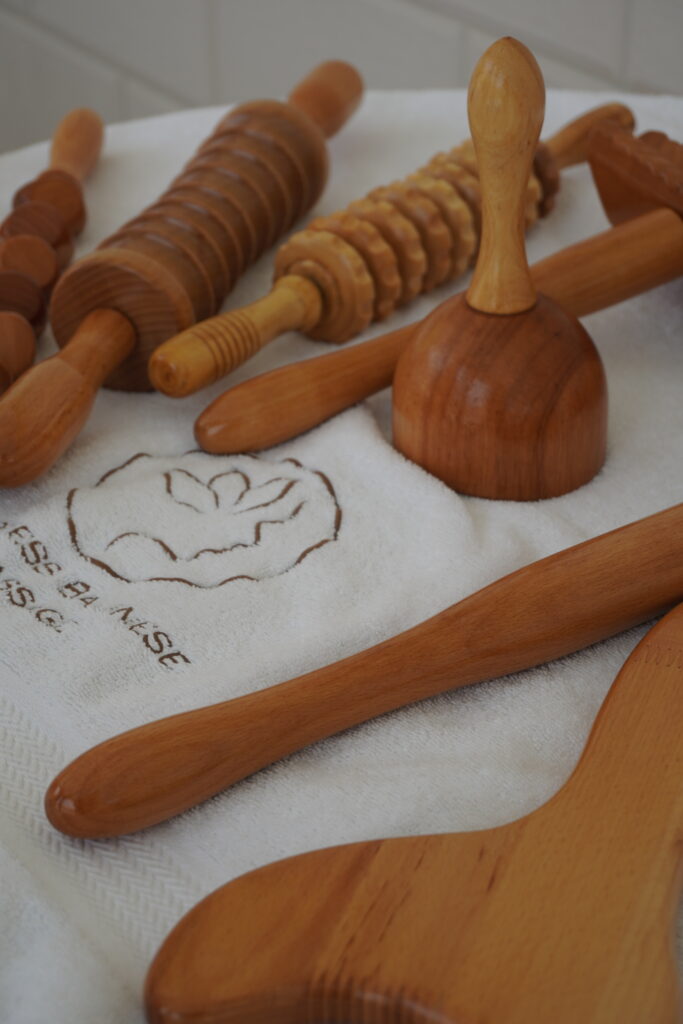
Madero wood therapy tools on an Empress towel

Maderotherapy vs Lymphatic Drainage: Which Is Better?

Maderotherapy and lymphatic drainage are often mentioned in the same conversation because both can be booked by clients who feel puffy, heavy or unhappy with the way certain areas look. But the treatments are very different. The quickest way to decide between them is to look at two things: what you want to achieve and what kind of pressure you enjoy. Choose Maderotherapy If You Want a Stronger, More Stimulating Treatment Maderotherapy uses specially shaped wooden tools together with hands-on massage. It is usually medium to firm and can be focused on areas such as the thighs, buttocks, stomach, waist, arms and back. Clients often choose it for: Body contouring The appearance of cellulite Tissue stimulation Fluid movement A firmer, more worked-on feeling after massage At Empress, we do see visible changes for many clients. The body can look smoother or more defined and certain areas may feel lighter. Consistency matters, especially if your goal is to maintain those changes rather than simply enjoy one treatment. Maderotherapy is also a good fit for someone who likes a massage to feel active. You will notice the tools working. It is not designed to feel like an ultra-light relaxation treatment. Choose Lymphatic Drainage If Swelling or Fluid Retention Is Your Main Concern Lymphatic drainage massage is much gentler. The pressure is intentionally light because the treatment is focused on encouraging lymphatic movement rather than working deeply into the muscles. Manual lymphatic drainage is designed as a gentle massage technique using light pressure to help move fluid through the lymphatic system. Cleveland Clinic explains the technique here. Clients book it for: Water retention Swelling Puffiness A heavy feeling in the legs or body Post-operative recovery Facial puffiness The face can be included as part of a full-body lymphatic drainage massage. If a client specifically wants only facial lymphatic drainage, the therapist can also adapt the treatment around that request. We frequently see an immediate before-and-after difference with lymphatic drainage. A stomach may look less bloated, legs can feel lighter and the face may look less puffy. As with maderotherapy, consistency is important if you want to maintain the best result. Which One Is Better for Cellulite? If cellulite appearance is your main concern, maderotherapy would usually be our first recommendation. The wooden tools allow the therapist to work more actively over the thighs, hips and buttocks. Lymphatic drainage can still be useful when fluid retention is contributing to a puffy or heavy appearance, but it has a different purpose and uses much lighter pressure. Some clients choose to use both treatments at different times. That does not mean they should automatically be combined in every appointment. The right approach depends on your body, sensitivity and goals. Which One Is Better If You Feel Bloated or Swollen? Lymphatic drainage is usually the better starting point. If your stomach feels puffy, your legs feel heavy or you notice water retention, the gentle lymphatic approach makes more sense than immediately choosing a firm body-contouring massage. Sudden or unexplained swelling is different. If swelling appears suddenly, is painful, red, hot or mostly affects one side, it should be medically assessed before massage. What If You Like Firm Pressure? Then maderotherapy will probably feel more satisfying. One of the biggest surprises for first-time lymphatic drainage clients is how light it feels. More pressure does not make lymphatic drainage better. If you are expecting deep tissue massage pressure, you may feel as though the therapist is barely doing anything, even though the technique is intentionally gentle. Maderotherapy gives a very different sensation. It is rhythmic, stimulating and much more noticeable. And What About Post-Operative Clients? Post-operative lymphatic drainage is a separate type of need. If you are recovering from cosmetic or other surgery and your surgeon has recommended lymphatic drainage, tell us: What procedure you had When it was performed What instructions you were given We adapt the massage to the stage of recovery and do not treat post-operative work like a standard wellness massage. Your medical team’s recovery instructions should always guide what can and cannot be treated. The Easiest Way to Choose Choose maderotherapy if you are thinking about cellulite appearance, body contouring and a stronger, tool-based treatment. Choose lymphatic drainage if your priority is swelling, water retention, puffiness, post-operative support or a very gentle massage. And if you are somewhere in between, speak to the Empress team before booking. It is much easier to recommend the right treatment when we know what you want to change, how your body currently feels and what type of pressure you enjoy. You can also check our massage prices before choosing your treatment and session length. Still Deciding Between Maderotherapy and Lymphatic Drainage? You do not need to guess from the treatment names. Tell us whether you are dealing mainly with puffiness and fluid retention or whether you want firmer body-contouring work, and our team will guide you towards the better option. WhatsApp Empress on +971 55 133 0557 and tell us what you would like to improve. We’ll help you choose the right treatment for your home massage in Dubai.  

Maderotherapy vs Lymphatic Drainage: Which Is Better? Read More »

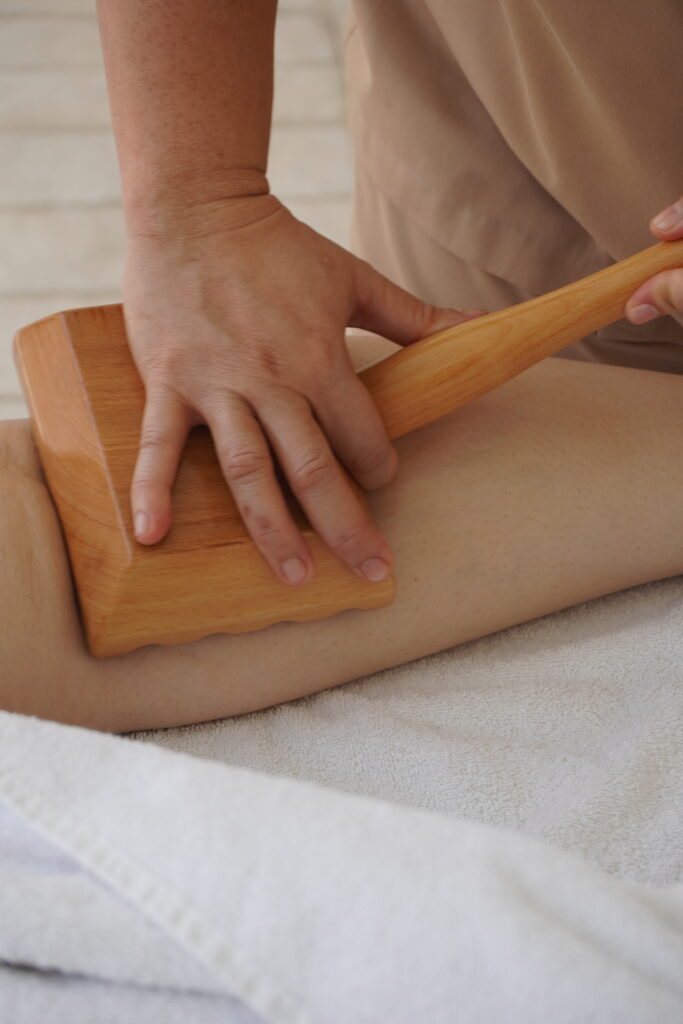
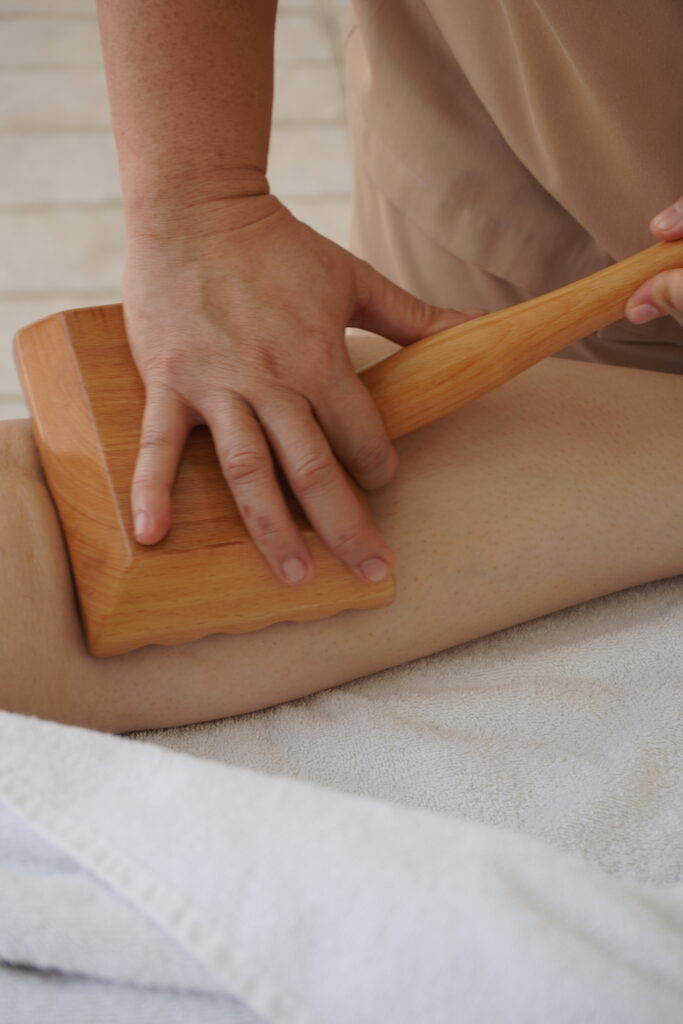
Madero wood therapy with a wooden roller on the thigh

Madero Therapy: What Happens During a Session?

Madero therapy is a body massage technique that uses specially shaped wooden tools alongside manual massage movements. During a session, the therapist applies rhythmic and controlled techniques across suitable areas, adjusting the intensity according to the client’s comfort and treatment goals. It is often booked by clients interested in body-contouring wellness, massage with a more stimulating rhythm or a treatment that feels different from a traditional hands-only massage. Madero therapy should not be promoted as a guaranteed weight-loss treatment or a permanent solution for cellulite. It may form part of a wider wellness routine, but results and experiences differ between clients. With a professional home service massage Dubai appointment, the therapist brings the treatment equipment directly to your villa, apartment or hotel room and prepares the session around your body, sensitivity and preferences. What Is Madero Therapy? The word “madero” comes from the Spanish word for wood. Madero therapy, also known as maderotherapy or wood therapy, uses specially designed wooden tools to perform rhythmic massage techniques across selected body areas. The tools may vary in shape and purpose. Some are designed to roll across broader areas, while others allow the therapist to work more precisely around suitable sections of the body. A session may combine: Manual massage Rhythmic wooden-tool movements Rolling techniques Controlled pressure Focused work around selected areas Massage oil to reduce friction Intensity adjusted throughout the session The tools should never be used carelessly or with uncontrolled force. A professional treatment depends on the therapist’s technique, pressure control and ability to recognise when an area is too sensitive to continue. What Happens Before the Session Begins? Every madero therapy appointment should begin with a consultation. The therapist needs to understand why you are booking, which areas you would like included and whether there are any medical or physical concerns that could affect the treatment. She may ask about: Your main treatment goals Areas you want the therapist to focus on Pressure sensitivity Bruising easily Varicose veins Recent surgery or cosmetic procedures Skin irritation Unexplained swelling Pregnancy Medication or medical advice Previous experience with madero therapy This consultation is important because madero therapy can feel more stimulating than a gentle relaxation massage. The therapist should never assume that strong pressure is suitable simply because the client requested a body-contouring treatment. Which Areas Can Be Included? Madero therapy is commonly used across suitable areas such as the: Thighs Hips Buttocks Abdomen, where appropriate Arms Back Waist area The areas included depend on the service booked, the client’s comfort and any contraindications. Not every part of the body should receive the same tool, pressure or amount of treatment time. The therapist may spend longer around one area and work more gently around another. She may also avoid areas with bruising, painful veins, broken skin, recent procedures or unexplained tenderness. A personalised session is more important than completing a fixed sequence. How Is the Treatment Space Prepared? For a home appointment, the Empress therapist brings the professional setup to your Dubai home or hotel. This may include: A professional massage table Freshly laundered linens Clean towels Suitable massage oil Sanitised wooden massage tools Support cushions where required The therapist generally arrives approximately 10 to 15 minutes early so she can prepare the room, complete the consultation and organise the tools without rushing. You only need to provide a clean, private area with enough space for the massage table and for the therapist to move around it safely. The room does not need to look like a spa. A comfortable temperature, good access and minimal interruptions are enough. How Does the Session Begin? The therapist may begin with manual massage rather than immediately applying the wooden tools. This allows her to: Introduce contact gradually Apply the massage oil Assess sensitivity Observe how the tissues respond Prepare the selected area Confirm that the pressure feels comfortable Beginning manually can also help the client understand the treatment pace before the more rhythmic techniques start. The therapist may then introduce one wooden tool at a time rather than using every tool during every appointment. What Do the Wooden Tools Feel Like? The sensation depends on the tool, technique and pressure. Some movements may feel broad and rolling. Others may feel more focused or stimulating. The therapist may repeat rhythmic movements across one area before changing direction or selecting another tool. A session may feel: Rhythmic Energising Firm Repetitive in a controlled way More stimulating than relaxation massage Different across each treatment area The sensation should remain manageable. The client should not feel that the therapist is scraping, aggressively pressing or forcing the tool into the body. Is Madero Therapy Painful? Madero therapy may feel firm, but it should not feel sharply painful or uncontrolled. The idea that bruising proves the treatment is working is misleading. Excessive bruising may indicate that the pressure was too strong, the area was too sensitive or the technique was unsuitable. Tell the therapist immediately if you experience: Sharp pain Burning Numbness Tingling Pinching Sudden tenderness Dizziness Pain around a vein Pressure that feels impossible to tolerate The therapist may reduce the intensity, change tools, use more manual massage or avoid the area. Pain is not a requirement for a body massage to feel focused. How Is the Intensity Personalised? The therapist should not use one pressure level across the entire body. Intensity may be adjusted according to: The selected area Skin and tissue sensitivity Previous massage experience Bruising tendency Varicose veins The shape of the wooden tool The client’s feedback How the body responds during treatment A broad rolling tool may feel comfortable around one area but too intense around another. The therapist also watches for non-verbal signs, such as the client holding her breath, tightening her muscles or moving away from the tool. If the body is constantly bracing, the session is too intense to feel controlled or comfortable. What Is the Role of Massage Oil? Massage oil helps the tools move more smoothly across the skin. Without enough

Madero Therapy: What Happens During a Session? Read More »

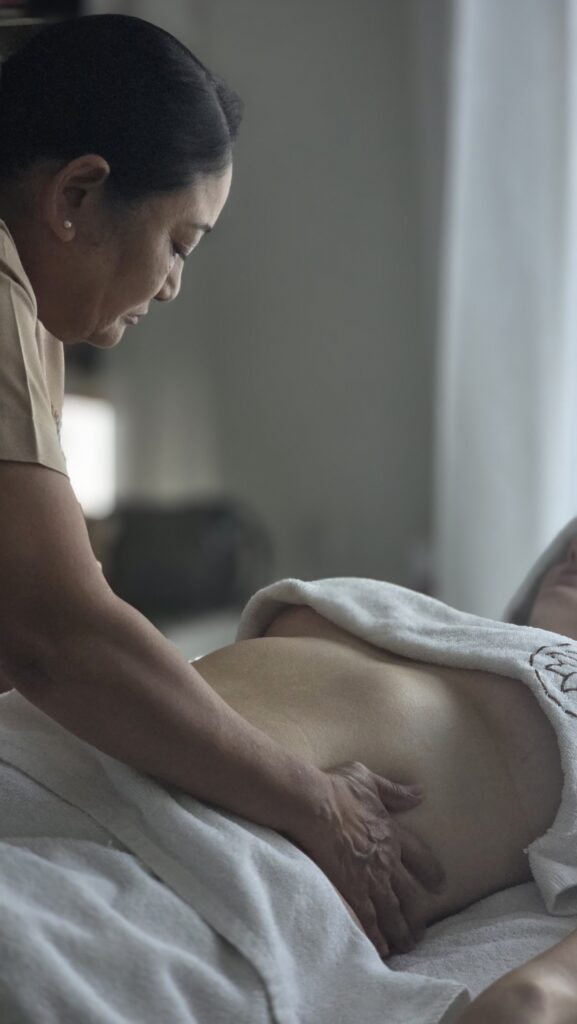
Gentle lymphatic drainage massage on the abdomen after pregnancy

Lymphatic Drainage Massage After Pregnancy in Dubai

A gentle lymphatic drainage massage Dubai appointment may support relaxation and help some new mothers feel more comfortable when the body feels heavy or mildly puffy after pregnancy. The treatment uses slow, light and rhythmic movements rather than deep pressure. It should not be promoted as a way to force fluid out of the body, remove toxins, produce weight loss or speed up recovery from childbirth. Timing matters. Before booking a postnatal massage, the mother’s type of birth, healing progress, current symptoms and medical guidance should all be considered. Why Can the Body Feel Puffy After Birth? The body continues changing after the baby is born. Some women notice puffiness around the feet, ankles, legs or hands. Time spent resting, reduced movement, medication, intravenous fluids and the physical demands of childbirth may all influence how the body feels during recovery. Swelling can have several causes, and unexplained or worsening swelling should not automatically be treated with massage. General oedema may affect one or both legs, but severe, sudden, painful, red or hot swelling requires medical assessment. A massage therapist cannot determine the medical cause of swelling. The consultation should identify when massage may be appropriate and when the mother should first speak with her doctor or maternity team. What Is Postnatal Lymphatic Drainage Massage? Postnatal lymphatic drainage massage is a gentle treatment adapted around the mother’s recovery after birth. The therapist uses light, controlled movements across suitable areas while avoiding wounds, sensitive tissues and anything that has not fully healed. A session may include: Slow, rhythmic massage movements Light pressure Comfortable positioning with pillows Gentle work around suitable areas Regular comfort checks A calm and unhurried pace This treatment is very different from deep tissue massage. More pressure does not make lymphatic drainage more effective. The client should not feel that the therapist is forcefully pressing, squeezing or pushing swelling through the body. What Benefits May Postnatal Massage Offer? The potential benefits of postnatal massage should be described realistically. Some new mothers may find that a gentle session supports: Relaxation General physical comfort A lighter or less heavy feeling Rest during a demanding stage Comfort around tired feet and legs Time to slow down in a private setting These experiences vary from one client to another. Massage cannot guarantee that swelling will disappear. It also cannot replace medical treatment for a diagnosed lymphatic condition, blood clot, infection or postpartum complication. When Can You Book After Giving Birth? There is no single booking date that is suitable for every new mother. The timing depends on: Whether the birth was vaginal or caesarean Bleeding and healing Stitches, tears or wounds Birth complications Blood-clot risk Pain levels Current medication Guidance from the maternity healthcare provider A mother who had an uncomplicated vaginal birth may have different recovery needs from someone who had a caesarean section, significant bleeding, infection or another medical concern. Being discharged from hospital does not automatically mean every massage technique is suitable. When there is uncertainty, medical approval should come before the appointment. What If You Had a Caesarean Section? A caesarean section is major abdominal surgery, so the incision must be protected while it heals. The therapist should not massage directly over a recent caesarean wound. Pressure around the abdomen should also be avoided unless healing has been confirmed and the client’s healthcare provider has said it is appropriate. NHS guidance advises keeping the wound clean and dry and watching for signs of infection during recovery. Scar massage is a separate practice from general lymphatic drainage massage. NHS hospital guidance advises waiting until a caesarean wound is fully healed, with no scabs or openings, before beginning scar massage and checking with a midwife, health visitor or doctor when uncertain. A gentle massage elsewhere on the body may sometimes be considered earlier, but only when positioning is comfortable and medical circumstances allow it. What Happens During the Consultation? Before a postnatal treatment begins, the therapist should ask about the mother’s recovery. Questions may include: When did you give birth? Was the birth vaginal or caesarean? Are there stitches, wounds or areas still healing? Was there heavy bleeding or another complication? Is there swelling in one area or both sides? Does any area feel painful, red or hot? Are you taking blood-thinning medication? Has your doctor or midwife approved massage? Which positions currently feel comfortable? Are you breastfeeding or experiencing breast sensitivity? These questions are not used to diagnose a condition. They help the therapist decide whether the treatment should proceed, be modified or be postponed. Why Blood-Clot Awareness Is Essential After Birth The risk of venous thrombosis is highest immediately after birth and remains increased during the first six weeks, although blood clots are still uncommon. Symptoms of a possible deep vein thrombosis usually affect one leg and may include: Redness Heat Swelling Pain or tenderness A heavy feeling in the leg These symptoms require immediate medical advice rather than massage. Sudden breathing difficulty, chest pain, coughing blood, collapse or feeling seriously unwell may indicate a pulmonary embolism and require emergency medical help. A therapist must never massage a leg when a blood clot is suspected. Other Symptoms That Need Medical Attention Massage should be postponed if the mother feels significantly unwell or has symptoms that may indicate a postpartum complication. Seek medical advice for concerns such as: Heavy or increasing bleeding Fever Severe abdominal pain A headache that does not improve Changes in vision Sudden or extreme swelling Pain or swelling in one leg Chest pain Difficulty breathing A caesarean wound that is red, swollen, opening or producing discharge Postpartum warning signs can develop after the mother has returned home, so a wellness appointment should never delay medical assessment. How Is the Mother Positioned? Comfortable positioning is especially important after birth. The mother may not feel ready to lie face down, particularly if she has breast tenderness, is breastfeeding or has recently had abdominal surgery. Depending on comfort, the therapist may use: Supported side-lying A gently reclined position

Lymphatic Drainage Massage After Pregnancy in Dubai Read More »

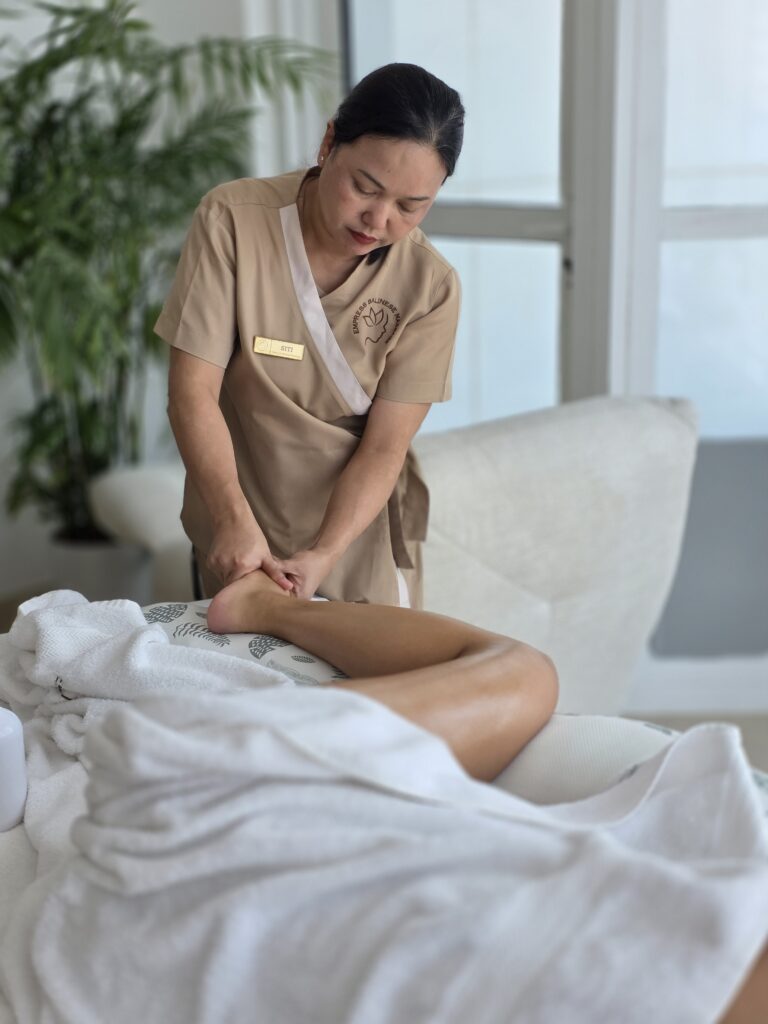
Empress therapist giving a leg massage in a bright Dubai living room

Lymphatic Drainage Massage Benefits Explained

The most commonly discussed lymphatic drainage massage benefits include supporting physical comfort, encouraging relaxation and helping some clients feel less heavy or puffy. This massage uses slow, light and rhythmic movements rather than deep pressure. It is designed to work gently with the body and should never feel forceful, painful or aggressive. A professional lymphatic drainage massage Dubai appointment begins with a consultation because swelling, heaviness and fluid retention can have different causes. Massage may be appropriate as part of a wellness routine, but it does not diagnose or treat medical lymphatic conditions. Sudden, painful or unexplained swelling requires medical assessment before massage is considered. What Is Lymphatic Drainage Massage? Lymphatic drainage massage is a gentle massage approach using light, controlled movements. Unlike deep tissue massage, it does not focus on pressing deeply into muscular tension. The therapist uses slower techniques and a softer touch across suitable areas of the body. A session may include: Light, rhythmic movements Slow and controlled pressure Gentle work around suitable body areas A calm and unhurried treatment pace Positioning adapted for comfort Pressure adjusted according to sensitivity Regular communication with the client The therapist should not try to force fluid through the body or use painful techniques in an attempt to create faster results. Gentle pressure is central to the treatment. How Does the Lymphatic System Work? The lymphatic system is part of the body’s natural network for moving lymph fluid and supporting immune function. Unlike blood circulation, the lymphatic system does not have a central pump like the heart. Natural body movement, breathing and muscular activity all contribute to lymph movement. Massage therapists do not control or medically correct this system. A wellness-focused lymphatic drainage massage uses gentle movements that may support comfort and natural fluid movement for suitable clients. It should not be promoted as a detox cure, medical treatment or guaranteed solution for swelling. What Are the Main Lymphatic Drainage Massage Benefits? Clients choose this massage for different reasons. Some are interested in physical comfort, while others prefer the lighter pressure and calm pace. Potential wellness benefits may include the following. A Lighter, Less Heavy Feeling Some clients describe feeling heavy, puffy or physically sluggish, particularly after long periods of sitting, travelling or limited movement. A gentle massage may help the body feel more comfortable and less restricted. This feeling is subjective and can vary between clients. The therapist should not promise that visible swelling will disappear or that the body will lose a specific amount of fluid. The aim is to support comfort rather than guarantee a physical transformation. Gentle Support for Mild Puffiness Clients sometimes request lymphatic drainage massage because certain areas feel mildly puffy. Before treatment, the therapist should ask: When the puffiness began Whether it affects one side or both Whether there is pain or tenderness Whether the area feels hot or red Whether swelling appeared suddenly Whether a doctor has assessed it Whether there has been recent surgery or illness Whether there is a known medical condition Massage should not proceed automatically simply because swelling is present. Sudden, painful, red, hot or one-sided swelling may require medical assessment rather than massage. Relaxation Without Deep Pressure Not every client enjoys firm massage. Lymphatic drainage massage may appeal to people who prefer a gentler experience or feel sensitive to stronger pressure. The slow pace may create an opportunity to rest without the intensity often associated with deep tissue treatments. Clients may find the treatment suitable when they want: Light touch A calm atmosphere Minimal muscular pressure A slower massage rhythm A relaxing home wellness appointment A break from more intensive treatments Gentle does not mean careless. Light pressure still requires control, attention and professional technique. A Calming Wellness Experience The rhythm of lymphatic drainage massage can feel mentally calming. The therapist works slowly and avoids sudden or forceful techniques. This can help the treatment feel steady and predictable. The client may prefer: Quiet during the session Soft background music Minimal fragrance A comfortable room temperature Additional pillow support Regular but unobtrusive comfort checks Massage may support relaxation, but it should not be described as treating anxiety, depression or another mental-health condition. Comfort After Long Flights or Travel Long journeys often involve sitting in one position for extended periods. Some travellers feel generally stiff, heavy or puffy after flying. A gentle massage may provide a comfortable opportunity to rest and reconnect with the body after travel. However, leg swelling after a journey requires caution. Pain, heat, redness, tenderness or swelling mainly affecting one leg may require urgent medical assessment because these symptoms can be associated with a blood clot. Clients should not book massage to manage unexplained post-flight symptoms without first seeking appropriate guidance. A Softer Alternative to Deep Tissue Massage Lymphatic drainage massage and deep tissue massage are very different treatments. Deep tissue massage uses slower and more concentrated pressure around areas of persistent muscular tension. Lymphatic drainage massage uses lighter, rhythmic movements and is not intended to work deeply into muscles. Lymphatic drainage massage may suit someone seeking: Gentle pressure A calm and slow treatment Comfort around mild puffiness A less intense massage experience Relaxation without focused muscular work Deep tissue massage may be more suitable for someone seeking targeted attention around muscular tension, provided there are no contraindications. The better option depends on what the client wants from the appointment. Can Lymphatic Drainage Massage Help with Weight Loss? Lymphatic drainage massage should not be promoted as a weight-loss treatment. A client may temporarily feel lighter or notice a change in puffiness, but this is not the same as losing body fat. The massage does not melt fat, permanently change body shape or replace exercise, nutrition or medical weight-management support. Responsible massage providers should avoid: Guaranteed inch-loss claims Permanent contouring promises Detox weight-loss claims Before-and-after guarantees Suggestions that one session removes fat Clients interested in wellness or body-contouring services should receive clear and realistic information before booking. Does It Detox the Body? The word “detox” is

Lymphatic Drainage Massage Benefits Explained Read More »

madero treatment or wooden tools massage is a technique to smoothen the skin

The Real Deal on Madero Therapy: What Wooden Massage Actually Does

Madero Therapy isn’t some trendy wellness hack from Instagram, it’s a centuries-old technique that’s made its way into modern spas and rehab clinics for good reason. Whether you're here for pain relief, stress management, or the curious buzz about "wooden massage" for sculpting your thighs, we’re cutting through the hype to give you the truth. Key Takeaways Madero Therapy uses wooden tools, not hands, to stimulate soft tissues and lymph flow, making it a unique alternative to traditional massage. It’s great for stress relief, circulation, and reducing water retention, but not a magical weight-loss cure. Expect deep relaxation or mild intensity depending on the tool used, and results are most effective with repeated sessions. Choosing a trained therapist matters. The technique and tools make or break your results. What Is Madero Therapy, Really? Let’s be honest, “wooden massage” sounds like either a medieval torture method or something from a Pinterest board. But Madero Therapy is neither. It’s a therapeutic practice that uses carved wooden tools to target soft tissue, relieve fascia tension, and promote lymphatic drainage. The word "madero" literally means “wood” in Spanish, and the technique is rooted in ancient practices from Colombia and beyond. Think of it as gua sha’s more muscular cousin, wielding rollers, cups, and mushroom-shaped implements to get beneath your skin, literally and figuratively. Ancient Roots, Modern Reboot Though Madero Therapy is enjoying a social media renaissance, its roots stretch deep into Eastern and Indigenous healing systems. Colombian spas popularized it in the modern era, integrating the technique with Western anatomy and holistic wellness trends. Today, it's not just a spa fad. Licensed therapists and wellness practitioners are using Madero Therapy in chiropractic offices, physical therapy settings, and high-end wellness centers like Empress Balinese Massage. Tools of the Trade: Not Your Average Massage Kit Tool Purpose Roller with Spikes Stimulates blood flow and breaks up fascia Smooth Cup Encourages lymphatic drainage Contouring Board Shapes and tones muscle contours Mushroom Tool Targets knots and trigger points Swedish Cup Mobilizes fat tissue (think: cellulite control) These tools aren’t just for show. Their design and material (typically hardwoods like beech or oak) allow for consistent pressure, ergonomic use, and deep tissue activation. How It Works: The Mechanics of Wooden Massage Picture this: oil on skin, rhythmic wooden tools gliding and pressing across muscles. It might sound primitive, but the mechanism behind Madero Therapy is surprisingly refined: Circulation: Improved blood and lymph flow aid detox and nourish tissues. Nervous System: The repetitive motion can activate parasympathetic relaxation, great for stress. Connective Tissue: Fascia release loosens bound-up muscles and increases mobility. These are similar principles used in myofascial release or foam rolling, just applied with centuries of cultural refinement and purpose-built wooden tools. What It Actually Helps With (According to Clients and Science) Clients and a handful of studies report several benefits that are more than placebo: Reduced Stress & AnxietyThanks to repetitive, grounding motions. Chronic Pain ReliefEspecially for back, hips, and shoulders. Water Retention & Bloating Lymph drainage techniques can reduce puffiness. Temporary Cellulite ReductionCirculation boost may reduce its appearance. What It Doesn’t Do (So Don’t Fall for the Hype) Let’s clear the air. Madero Therapy won’t: Melt fat or result in weight loss, at least not directly. Replace medical detox, your liver and kidneys already have that job. Heal injuries like physical therapy, though it may support recovery. What to Expect During a Session A typical session lasts 30 to 60 minutes. You’ll be partially draped on a massage table, and your therapist will work with oils and wood tools across targeted areas. You might feel: Light pressure and warmth (from circulation) Intense stimulation (especially near trigger points) A blend of relaxation and therapeutic focus Want to try it? Check out the price list to see which treatment option fits your goals. Frequency and Results: How Often Should You Go? It depends on your goals: For body contouring: 2 to 3 sessions per week for 4 to 6 weeks is typical. For wellness/pain relief: Once weekly can yield consistent benefits. For maintenance: Monthly or seasonal visits may suffice. As always, consistency matters more than intensity. Who Should Avoid Madero Therapy? Avoid Madero Therapy if you: Are pregnant (unless approved by a specialist) Have circulatory disorders or severe varicose veins Have open skin lesions or infections Always check with your healthcare provider before beginning any new body treatment. For more, check the FAQs. Real Talk: What Clients Say Amanda, 35: “I started for the cellulite but stayed for the digestion boost and zero bloating.” Rob, 42: “It helped my back tension, but I was surprised how much better I slept after.” Maria L., therapist with 500+ hours of experience: “Clients come for the sculpting, but the calm, better sleep, and mental clarity? That’s what makes them stay”. Want more testimonials? Browse real reviews from Empress Balinese Massage clients. Madero vs. Other Techniques Therapy Tool Used Focus Pain Level Madero Wood Circulation, fascia Low to medium Deep Tissue Massage Hands Muscle knots Medium to high Gua Sha Stone Tension, skin Low to medium Cupping Silicone/Glass Detox, fascia Medium Each technique has its benefits, but Madero Therapy stands out with its unique combo of structural stimulation and sensory relaxation. FAQs Q: Is Madero Therapy safe during pregnancy? A: Only under supervision from a healthcare provider and with a trained therapist. Q: Can I do it at home? A: DIY Madero kits exist, but technique matters a lot. Without training, you risk bruising or ineffective sessions. Q: Will I see body sculpting results? A: Possibly, but they’re temporary unless combined with diet, hydration, and exercise. Q: How do I find a certified therapist? A: Look for practitioners with specific Madero Therapy training and client testimonials. Avoid general “spa” claims without proof. Summary Madero Therapy is more than a wellness fad. It’s a tactile, therapeutic, and (surprisingly) relaxing experience that blends traditional knowledge with modern sensibilities. It may not zap fat or cure disease, but it absolutely earns a place in holistic

The Real Deal on Madero Therapy: What Wooden Massage Actually Does Read More »

Chat with us