aisha

Prenatal Massage

Can Prenatal Massage Support Better Sleep in Pregnancy?

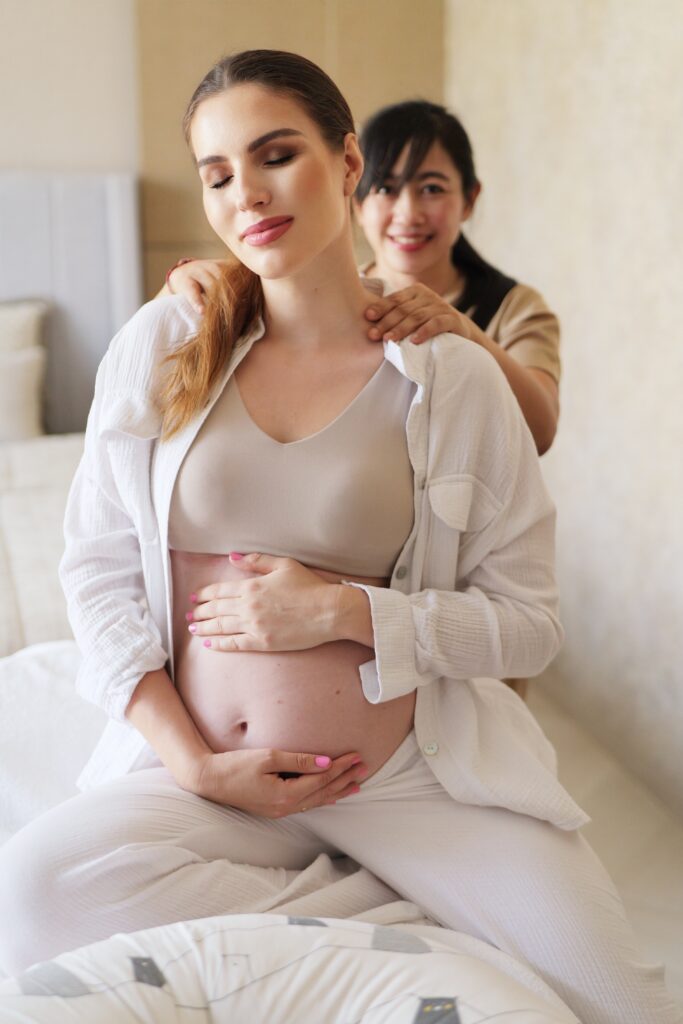
A personalised prenatal massage Dubai session may support better rest by helping an expectant mother feel calmer and more physically comfortable before bedtime. It may ease muscular tension and create an opportunity to mentally switch off, but it should not be presented as a cure for pregnancy insomnia. Sleep can become more difficult as pregnancy progresses. A growing abdomen may make lying down uncomfortable, while frequent bathroom visits, physical sensitivity and difficulty finding a supportive position can interrupt rest. At Empress Balinese Massage, prenatal massage is offered from 20 weeks onward. Each treatment is adapted around the client’s pregnancy stage, positioning needs, symptoms and comfort rather than following a fixed relaxation routine. Why Can Sleep Become Difficult During Pregnancy? Pregnancy sleep problems do not always have one clear cause. During the earlier weeks, hormonal changes and nausea may contribute to tiredness. Later in pregnancy, the growing abdomen, additional body weight and difficulty settling into a comfortable position may make uninterrupted rest harder. An expectant mother may also find herself waking because of: Lower-back or hip discomfort Tired or heavy legs Shoulder and neck tension Difficulty turning in bed Frequent bathroom visits Sensitivity to room temperature Worries about pregnancy or birth Difficulty mentally slowing down Massage cannot remove every reason for disrupted sleep. It may, however, support some of the surrounding factors, particularly muscular tension, physical restlessness and difficulty relaxing. How May Prenatal Massage Support Rest? Prenatal massage creates a dedicated period in which the client can stop moving, rest in a supported position and receive pressure personalised around her body. Research reviewing relaxation massage during pregnancy has reported possible benefits relating to stress, anxiety and back or leg discomfort in healthy pregnancies without complications. However, the evidence does not mean massage should be treated as a medical solution for insomnia or every pregnancy-related sleep problem. During an Empress session, the therapist may focus on suitable areas such as the: Back Shoulders Arms Hips Legs Feet The abdomen is not directly massaged, and hot stone massage is avoided throughout pregnancy. The aim is to help the client feel more settled and physically comfortable, not to guarantee that she will sleep through the night. Comfort Comes Before Pressure A massage intended to support relaxation should not leave the client bracing against painful pressure. Some pregnant clients request firm work because back, hip or shoulder tension has been affecting their ability to settle at night. Focused pressure may be appropriate in certain areas, but deeper does not automatically mean more relaxing. The therapist begins by asking: Which areas feel uncomfortable at night? Which sleeping position currently feels easiest? Does discomfort appear when turning? Are the hips, back or shoulders particularly sensitive? Does either leg feel painful, hot or unusually swollen? Has a doctor or midwife provided any relevant advice? Pressure is then adjusted by body area. The shoulders may tolerate slower, more focused work, while the lower back or legs may require a gentler approach. If the client begins holding her breath, tightening her muscles or moving away from the therapist’s hands, the pressure is changed. A client who is fighting the pressure is unlikely to feel ready for rest afterward. Supported Side-Lying Helps the Body Settle Empress performs prenatal massage predominantly in a supported side-lying position. A Doomoo pregnancy pillow and additional pillows may be arranged around the abdomen, back, head, shoulders and legs. The therapist checks that the client is not holding herself in place or allowing the upper leg to pull uncomfortably through the hip and lower back. NHS guidance recommends going to sleep on either side after 28 weeks and suggests supporting the abdomen with pillows and placing a pillow between the knees. The massage setup is not intended to prescribe a sleeping position. However, it may help the client notice how thoughtful pillow placement changes her comfort. For example: Support beneath the abdomen may reduce a pulling sensation. A pillow between the knees may help the upper leg feel more stable. Support behind the back may prevent the client from feeling as though she is rolling. The correct head-pillow height may reduce neck and shoulder strain. The therapist adjusts the arrangement according to the client rather than following one standard setup. What Does the Therapist Notice During the Session? An experienced prenatal therapist pays attention to how easily the client relaxes into the table. She may notice: Shoulders remaining lifted towards the ears The lower back tightening during position changes One hip rotating forward Shallow breathing when pressure increases Restlessness in the legs Difficulty allowing the head to rest One side feeling less comfortable than the other These observations are not used to diagnose a sleep disorder or pregnancy condition. They help the therapist decide whether to change the pillows, reduce the pressure, slow the massage or spend more time around a suitable area. The client may arrive expecting attention only on her lower back, while the therapist notices that neck and shoulder tension is making it difficult for her whole upper body to settle. A personalised massage considers these connected patterns without claiming to identify the medical cause. Why Home Massage Can Support a Calmer Evening The hours after a massage can matter as much as the treatment itself. Travelling through Dubai traffic, searching for parking or waiting for transport may interrupt the calm created during a spa appointment. With a home massage, the client can remain in her own space after the therapist leaves. For an Empress home appointment, the therapist brings: A professional massage table Freshly laundered linens Clean towels Suitable massage oil A Doomoo pregnancy pillow Additional support pillows The therapist arrives approximately 10 to 15 minutes early to complete the consultation and prepare the room without rushing. Afterward, the equipment is packed neatly and quietly. The client can change into comfortable clothing, continue resting or begin her usual bedtime routine without another journey. Massage does not guarantee sleep, but removing post-treatment travel can help preserve the feeling of calm. Is an Evening

Can Prenatal Massage Support Better Sleep in Pregnancy? Read More »

pregnancy massage Dubai

Pregnancy Sciatica and Gentle Massage Support in Dubai

Gentle pregnancy massage Dubai may support relaxation and ease muscular tension around the lower back, hips and buttocks when a pregnant client is experiencing sciatica-like discomfort. However, massage does not diagnose sciatica, remove pressure from a nerve or replace assessment by a doctor, midwife or physiotherapist. Sciatica commonly causes sharp or burning pain that travels from the lower back or buttock down the back of one leg. It may also involve tingling, numbness or weakness. Back pain without symptoms travelling into the leg may have another cause. At Empress Balinese Massage, every prenatal session begins with a consultation. The therapist considers the client’s symptoms, pregnancy stage, movement and comfort before deciding whether gentle massage is appropriate. What Does Pregnancy Sciatica Feel Like? Sciatica is a pattern of symptoms linked to irritation or compression of the sciatic nerve, which runs from the lower back towards the feet. Symptoms commonly affect the buttock and the back of one leg. A client may describe: Sharp or burning pain Pain travelling towards the calf or foot Pins and needles Numbness Weakness Discomfort that worsens with certain movements Difficulty sitting or standing comfortably Symptoms may begin suddenly or develop gradually. They can also become more noticeable during movement, coughing or sneezing. Pregnant clients sometimes use the word “sciatica” for any pain around the lower back, hip or buttock. Yet pregnancy-related pelvic girdle pain and ordinary muscular back discomfort can produce symptoms in similar areas. A therapist should therefore avoid assuming that every shooting or aching pain is true sciatica. Why Can Sciatica-Like Pain Appear During Pregnancy? Pregnancy changes how the body carries weight, stands, walks and moves between positions. The muscles around the back and pelvis may begin working differently, while changes in posture or everyday movements can place additional strain on the surrounding areas. Pregnancy-related pelvic discomfort may also spread towards the thighs or back of the legs. A client may unconsciously respond by: Placing more weight on one leg Taking shorter steps Avoiding one side while sleeping Tightening the buttock or hip muscles Using the arms to help with standing Sitting unevenly Protecting the lower back while turning These patterns may increase muscular tension around an already uncomfortable area. A prenatal therapist can observe these movements, but she cannot confirm whether the sciatic nerve is compressed or identify the medical cause of the pain. How May Gentle Massage Provide Support? Gentle massage may help surrounding muscles feel calmer and less guarded. An NHS pregnancy-related pelvic pain resource notes that gentle massage around the lower back, thighs and buttocks may help relieve muscular tension. This is an important distinction: massage works with suitable soft-tissue areas around the discomfort. It should not be described as directly treating the nerve. During an Empress prenatal session, the therapist may use slow and controlled movements around appropriate areas such as the: Lower and upper back Buttocks Hips Outer thighs Shoulders Legs, when suitable The treatment is adapted according to where the symptoms travel and how the client responds. Why Strong Pressure May Make the Body Guard More A client experiencing shooting pain may assume that deeper pressure is needed to “release” the area. This is not always appropriate. If the muscles are already guarding, strong pressure may cause the client to tighten further, hold her breath or move away from the therapist’s hands. Directly pressing the most painful point may also aggravate an already sensitive area. The therapist may instead: Begin away from the strongest discomfort Use broad, gentle movements Reduce pressure near sensitive areas Work around the hips and back gradually Add more pillow support Avoid techniques that reproduce travelling pain Stop working on an area if symptoms increase Prenatal massage should never involve pushing through sharp, burning or electric pain. What Does the Therapist Notice First? Before treatment, the therapist may observe how the client enters the room, sits, stands and changes direction. She may notice: One leg taking more weight One hip turning forward A shorter step on one side The client protecting her lower back Difficulty lowering herself onto the table Muscle tightening before touch Changes in breathing when turning One side feeling less comfortable in side-lying These observations help shape the pillow setup, treatment sequence and pressure. They are not used to diagnose sciatica or correct the client’s posture. Their purpose is to make the massage more comfortable and responsive. How Side-Lying Supports the Session Empress performs prenatal massage predominantly in a supported side-lying position. A Doomoo pregnancy pillow and additional pillows may be placed around the abdomen, back, head and legs. For a client with sciatica-like symptoms, support between the knees and beneath the upper leg can be especially important. If the upper leg drops forward without support, the hip and lower back may feel more strained. The therapist may also place support behind the back so the client does not need to use her muscles to remain on her side. The pillow arrangement is adjusted until the client can settle comfortably. If pain begins travelling further down the leg or the position creates numbness or tingling, the setup should be changed. Is Prenatal Massage a Treatment for Sciatica? No. Prenatal massage is a wellness service, not a medical treatment for sciatica. It may support relaxation and muscular comfort, but it cannot guarantee that nerve pain will improve. The therapist does not manipulate the spine, correct pelvic alignment or remove pressure from a nerve. Symptoms that are persistent, worsening or affecting normal activities should be discussed with a maternity healthcare provider. Medical professionals may recommend physiotherapy, suitable exercises or another form of assessment depending on the symptoms. Massage may be included as part of a wider comfort routine when it is considered appropriate. When Should Massage Be Postponed? Massage should not proceed when symptoms suggest urgent assessment may be needed. Seek urgent medical help if pain is accompanied by: Severe or worsening weakness in both legs Numbness around the genitals, inner thighs or buttocks Difficulty starting urination Loss of bladder or

Pregnancy Sciatica and Gentle Massage Support in Dubai Read More »

Swollen Feet

Massage for Swollen Feet During Pregnancy in Dubai

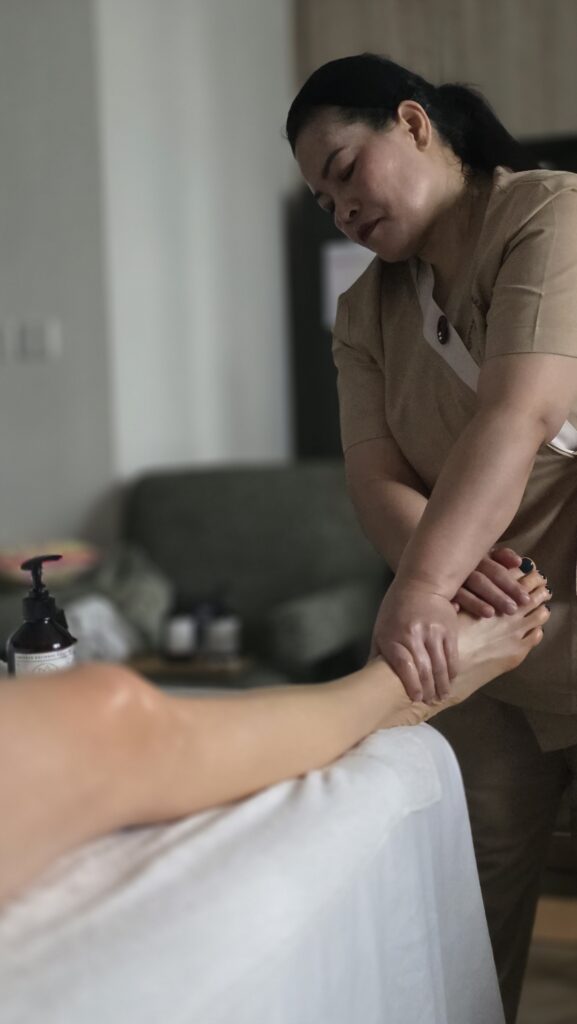
Gentle pregnancy massage Dubai may support comfort when the feet and ankles feel tired, heavy or mildly swollen. However, the therapist must first understand whether the swelling developed gradually, affects both sides and has already been discussed with the client’s maternity healthcare provider where necessary. Swelling during pregnancy should never be treated automatically as ordinary fluid retention. Sudden swelling, swelling mainly affecting one leg or swelling accompanied by pain, heat, redness, headaches or vision changes requires medical assessment rather than massage. At Empress Balinese Massage, prenatal appointments begin from 20 weeks onward. Every session starts with a consultation so the therapist can decide whether gentle work around the feet and legs is appropriate. Why Do Feet and Ankles Swell During Pregnancy? Gradual swelling of the feet and ankles is common during pregnancy. It may become more noticeable later in pregnancy, after standing for a long time or towards the end of the day. The body holds more water during pregnancy, and the pressure of the growing womb can affect blood flow through the legs. This may contribute to fluid gathering around the legs, ankles and feet. Gradual swelling is often uncomfortable without necessarily indicating a serious problem. nkles and feet. Gradual swelling is often uncomfortable without necessarily indicating a serious problem. citeturn760871view0 Dubai’s warm weather may make the feeling more noticeable, particularly after a busy day involving work, walking, driving or long periods of standing. Even when the swelling appears mild, the therapist should ask questions before touching the area. Can Massage Help Swollen Pregnancy Feet? A gentle prenatal massage may help the client feel more comfortable and relaxed, but it should not be presented as a treatment or cure for pregnancy swelling. Slow, light and controlled movements may be used around suitable areas when the client has been assessed and there are no warning signs. The aim is to support comfort rather than force fluid out of the feet or promise a visible reduction. The therapist may also work around the lower legs, depending on the client’s symptoms and suitability. Strong pressure is not necessary. In fact, swelling is one reason the therapist should become more cautious rather than automatically applying deeper massage. The First Question: Is the Swelling Gradual or Sudden? Before the massage begins, the therapist may ask: When did the swelling start? Does it affect both feet? Is one side noticeably more swollen? Does the swelling improve after rest? Is there any pain, heat or redness? Has it suddenly become worse? Are the hands or face also swollen? Has the client spoken with her doctor or midwife? Is the pregnancy considered high risk? The answers help the therapist decide whether massage can proceed. Swelling that develops gradually in both feet may be a common pregnancy experience. A sudden increase in swelling, particularly when accompanied by a severe headache, visual disturbance,pse or feeling seriously unwell may be signs of a pulmonary embolism and require immediate emergency medical help. citeturn760871view1 A prenatal therapist does not diagnose blood clots. Her responsibility is to recognise warning signs, avoid massage and direct the client towards appropriate medical care. How Is Pressure Personalised Around Swollen Feet? Pressure around swollen pregnancy feet should generally remain light, slow and controlled. The therapist does not use one pressure level for the entire treatment. She considers: The amount and location of swelling Skin sensitivity The client’s pregnancy stage Varicose veins Pain or tenderness Medical guidance How the client responds to touch Whether both feet feel the same The first contact is usually gentle. The therapist watches whether the client relaxes, withdraws her foot, tightens her leg or reports unusual tenderness foot, tightens her leg or reports unusual tenderness. Pressure should never feel sharp, forceful or painful. If an area feels unexpectedly sensitive, the therapist may avoid it rather than attempting to “work through” the discomfort. Pregnancy Massage and Lymphatic Drainage Are Not Identical Clients searching for lymphatic drainage massage Dubai may expect a treatment that quickly removes swelling or produces a visible change. A standard lymphatic drainage service and a prenatal massage are not automatically interchangeable. Lymphatic drainage massage generally uses slow, gentle movements intended to support comfort and natural fluid movement. During pregnancy, however, any treatment must first be adapted to the pregnancy stage, symptoms and medical circumstances. Empress does not promise that massage will eliminate pregnancy swelling, remove toxins or treat a medical lymphatic condition. For a pregnant client, safety checks, supported positioning and professional boundaries remain more important than the name of the massage technique. Why Deep Pressure Is Avoided on Swollen Areas A swollen area is not a tight muscle that needs to be pressed harder. If the client reports heaviness or discomfort, the therapist may use light techniques or work around suitable nearby areas. Strong, repetitive pressure is not used in an attempt to push swelling away. The therapist may stop working on the feet or legs if she notices: Unusual tenderness Significant difference between both sides Redness Heat Pain when touched Skin changes Discomfort while moving the ankle Symptoms the client had not previously noticed The session plan can change at any moment. Completing a fixed routine is never more important than the client’s safety. How Is the Client Positioned? Empress performs prenatal massage predominantly in a supported side-lying position. A Doomoo pregnancy pillow and additional pillows may be placed around the abdomen, back, head and legs. The upper leg and foot should feel supported rather than being left to pull forward or rest awkwardly. The therapist may slightly adjust the leg position before working around the feet. If the client experiences numbness, pulling, hip discomfort or difficulty relaxing, the pillows are repositioned. One side may require a different setup from the other, especially when swelling or sensitivity is uneven. The client is never expected to remain uncomfortable simply so the therapist can finish one part of the massage. What Else May Be Included in the Session? Swollen feet may be the reason for booking, but the session does

Massage for Swollen Feet During Pregnancy in Dubai Read More »

Pregnancy Back Pain

Pregnancy Back Pain: Why the Source May Differ

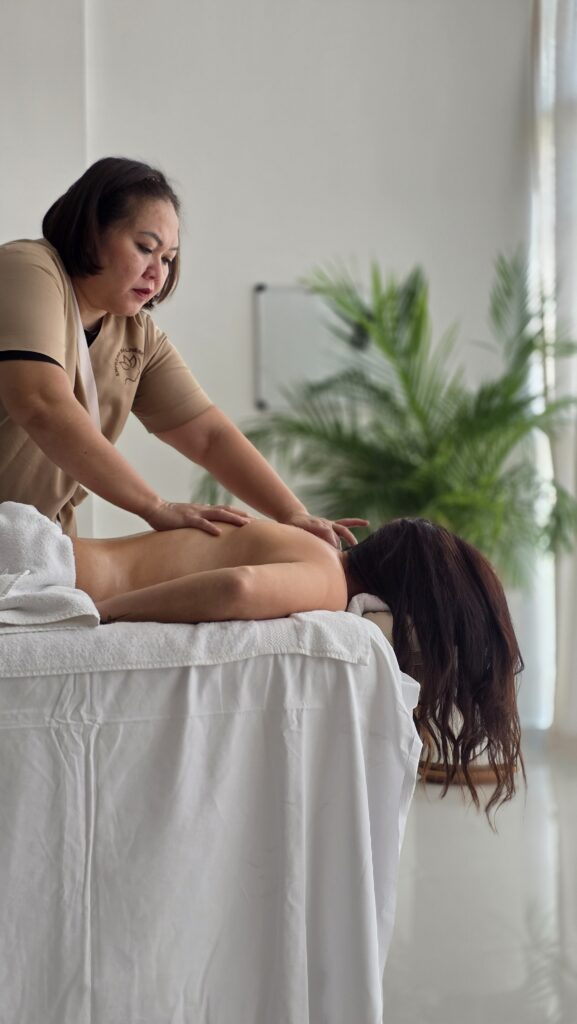
The place where pregnancy back pain is felt is not always the only area influencing it. A client may point to her lower back, yet an experienced prenatal therapist may also notice that one hip rotates forward, one shoulder sits higher or more weight is being placed on one leg. Changes in posture, movement and the way the body is supported can all affect where discomfort is experienced. During a pregnancy massage Dubai appointment, the therapist does not diagnose the source of pain. She observes how the client moves, asks careful questions and adapts the treatment around comfort. Massage may support muscular relaxation, but persistent, severe or unusual back pain requires assessment from a maternity healthcare provider. Why Is Back Pain Common During Pregnancy? As pregnancy progresses, the body adapts to a growing abdomen and changing weight distribution. These changes can affect posture, the movement of the pelvic joints and the surrounding muscles. Back or pelvic discomfort may be felt in the lower back, hips, thighs, pubic area or middle back. Some clients notice discomfort after standing for a long time. Others feel it when climbing stairs, turning in bed, getting out of a car or balancing on one leg while dressing. The location and pattern may differ from one person to another. This is why a prenatal therapist should not immediately apply strong pressure to the exact point the client identifies. The first step is understanding how the discomfort behaves. The Painful Spot May Be Carrying Extra Work During pregnancy, one part of the body may begin working harder to compensate for discomfort or changes elsewhere. For example, a client who feels sensitive around one hip may unconsciously place more weight on the other leg. Someone protecting her lower back may use her shoulders and arms more when standing up or turning. Over time, the area doing the extra work may begin to feel tired. This does not mean the therapist can identify the medical cause of the pain. It means the massage may need to consider more than one isolated point. Instead of repeatedly pressing the sore area, the therapist may work gently around connected muscles, improve the pillow support or adjust the client’s position. What Does the Therapist Notice Before Treatment? Observation begins before the client lies on the massage table. The therapist may notice: How the client walks into the room Whether she takes shorter steps If more weight is placed on one side How she sits down and stands up Whether she protects her lower back If one shoulder appears higher How easily she turns Whether movement changes her breathing These observations are combined with the client’s own description of what she feels. A therapist should never announce a diagnosis based on posture or movement. Her role is to use these details to create a more comfortable massage and recognise when professional medical assessment may be more appropriate. How the Hips and Pelvis May Influence Back Comfort Discomfort described as back pain may sometimes be connected with how the client is moving through the hips and pelvis. Pregnancy-related pelvic girdle pain, for example, may be felt in the lower back, hips, groin, thighs or pubic area. It can become more noticeable when walking, climbing stairs, standing on one leg or turning over in bed. A physiotherapist or maternity healthcare professional is responsible for assessing and diagnosing this condition. During massage, the therapist may simply notice that: One hip feels less comfortable in side-lying The upper leg needs more support The client avoids turning towards one side One side of the lower back tightens more quickly The client feels pulling when the leg is not supported Before increasing pressure, the therapist may reposition the pillows. Sometimes improving support allows the surrounding muscles to settle more comfortably without using deeper massage. How Shoulder Tension Can Be Connected Pregnancy back discomfort is not always limited to the lower body. A client may change how she sleeps, sits at a desk or uses her arms to help herself stand. These habits can leave the shoulders and upper back feeling tense. The therapist may notice that the client: Rounds her shoulders while sitting Uses one arm more when standing Holds the shoulders close to the ears Tightens the upper body when turning Takes shallow breaths when lying down Rather than treating the lower back alone, the therapist may create a more balanced session that also includes appropriate work around the upper back and shoulders. Why Supported Side-Lying Matters Empress performs prenatal massage predominantly in a supported side-lying position. A Doomoo pregnancy pillow and additional pillows may be placed around the abdomen, back, head and legs. The aim is to prevent the client from holding herself in position. If the upper leg is unsupported, the hip may rotate forward and the client may feel pulling through the pelvis or lower back. If the pillow beneath the head is too high, tension may develop through the neck and shoulders. The therapist therefore checks the entire setup before focusing on the painful area. Support may need to be changed several times during one session. What feels comfortable at the beginning may become less comfortable after the client has remained in the position for several minutes. Why Strong Pressure Is Not Always the Answer Clients experiencing back discomfort sometimes request the strongest available pressure because they want the therapist to “release the knot.” During pregnancy, deeper pressure is not automatically more appropriate. If the body is already guarding an area, pressing harder may cause the client to tighten further, hold her breath or move away from the therapist’s hands. The therapist may instead: Begin with broad, gentle movements Work around the uncomfortable area Adjust the pillow support Use slower, controlled pressure Ask the client to describe the sensation Return to the area later Avoid the area if it remains sensitive the sensation Return to the area later Avoid the area if it remains sensitive The effectiveness of a comfort-focused massage is not measured

Pregnancy Back Pain: Why the Source May Differ Read More »

Prenatal Therapists

What Prenatal Therapists Notice First During Massage

Before a prenatal massage Dubai session begins, an experienced therapist is already paying attention. She may notice how the client walks into the room, lowers herself into a chair, turns to one side or protects her lower back while moving. She may also observe whether one shoulder sits higher, whether breathing appears shallow or whether the moving. She may also observe whether one shoulder sits higher, whether breathing appears shallow or whether the moving. She may also observe whether one shoulder sits higher, whether breathing appears shallow or whether the client seems uncomfortable before she says anything. These observations are not used to diagnose a medical condition. They help the therapist understand how the client is feeling and how the massage should be prepared. At Empress Balinese Massage, prenatal treatment is not based on a memorised sequence. The therapist combines the consultation with practical observation to personalise positioning, pressure, pillow support and the areas that receive the most attention. Observation Begins Before the Massage Table Is Ready For a home service massage Dubai appointment, the therapist usually arrives approximately 10 to 15 minutes early. This time allows her to bring in the equipment, choose a suitable treatment space and speak with the client without rushing. It also gives the therapist an opportunity to notice how the client moves naturally with the client without rushing. It also gives the therapist an opportunity to notice how the client moves naturally with the client without rushing. It also gives the therapist an opportunity to notice how the client moves naturally. A client may describe herself as feeling generally fine but still move carefully when turning. She may place one hand on her lower back when standing or shift more weight onto one leg. These small details can influence how the session is arranged. The therapist may decide to: Add extra support behind the back Place a pillow beneath the upper leg Allow more time for position changes Begin with gentler pressure Spend more time around the shoulders or hips Avoid keeping the client in one position for too long The preparation is shaped around the person, not only around the booking notes. How the Client Walks One of the first things a prenatal therapist may notice is how the client walks. Pregnancy can affect balance, stride and how weight is distributed. Some clients may take shorter steps. Others may place more weight on one side or move carefully because an area feels sensitive. The therapist is not assessing the walk to identify a condition. She is looking for clues about comfort and support. For example, if the client appears to protect one hip while walking, the therapist may pay additional attention to how that side is supported on the massage table. If she moves slowly or seems unsteady, the therapist should also avoid rushingsteady, the therapist should also avoid rushing her when getting onto or off the table. How the Client Sits and Stands Sitting down and standing up can reveal where the client needs extra support. The therapist may notice whether the client: Uses her hands to push herself up Leans heavily to one side Moves slowly through the lower back Keeps one leg positioned differently Pauses before standing fully Holds the abdomen or lower back for support These observations help the therapist plan the transition onto the massage table. A client who finds standing difficult may need the table adjusted to a more suitable height. She may also require more time when changing sides during the treatment. Professional care includes making these movements feel calm and manageable rather than treating them as an interruption to the massage. Shoulder Position and Upper-Body Tension Many clients mention shoulder or upper-back tension during pregnancy. Before touching the area, the therapist may notice whether one shoulder rests higher, whether the client rounds her upper back or whether she holds her arms close to her body. The therapist may also observe how freely the client turns her head and whether she appears to carry tension around the jaw or neck. These signs can help shape the pressure and sequence. The therapist may begin with broader, slower movements before using more focused pressure. If the muscles remain guarded, increasing the intensity may not be helpful. Sometimes the body needs more support and time before it is ready for deeper work. Breathing Patterns Breathing is one of the most useful non-verbal signs a therapist can observe. A client may say the pressure feels comfortable while holding her breath or taking shorter breaths. This may indicate that the pressure, position or pillow support needs to be changed. During prenatal massage, the therapist may notice whether the client: Breathes freely while resting Holds her breath when turning Takes shallow breaths when pressure increases Appears uncomfortable around the ribs or shoulders Relaxes more easily after the pillows are adjusted The therapist does not diagnose breathing changes. She uses the observation to check comfort. If breathing becomes difficult, unusual or accompanied by concerning symptoms, the treatment should stop and medical advice may be required. Muscle Guarding Muscle guarding happens when the body tightens or protects an area, sometimes before the therapist has applied much pressure. A client may tense her shoulder, tighten her upper leg or stiffen her lower back as the therapist approaches a sensitive area. This does not always mean that stronger pressure is needed. The therapist may instead: Reduce the pressure Slow down the technique Work around the area first Add more support Ask the client what she is feeling Return to the area later Avoid the area if it remains uncomfortable Prenatal massage should never become a test of how much pressure the client can tolerate. How Easily the Client Changes Position Empress performs prenatal massage predominantly in a supported side-lying position. Changing from one side to the other may require more time as pregnancy progresses. The therapist observes how easily the client turns and whether she needs help moving her legs, shoulders or support pillows. One

What Prenatal Therapists Notice First During Massage Read More »

Prenatal Massage

How Prenatal Massage Pressure Is Personalised in Dubai

Pressure during prenatal massage Dubai should never be selected once and applied in the same way across the entire body. Pregnancy can change how the muscles, joints and surrounding areas feel from one week to the next. A client may prefer focused pressure around her shoulders but need a much gentler approach around her lower back or legs. At Empress Balinese Massage, pressure is personalised according to the client’s pregnancy stage, the area being worked on, her comfort preferences and how her body responds during the session. The aim is not to provide the deepest possible massage. It is to create a controlled, comfortable treatment that supports relaxation without expecting the client to tolerate pain. What Does Personalised Massage Pressure Mean? Personalised pressure means the therapist does not follow a fixed “light, medium or firm” setting for the full appointment. Instead, the therapist adapts the intensity throughout the massage. Pressure may change according to: The client’s pregnancy stage The area being massaged Current sensitivity or discomfort Swelling or circulation concerns The client’s supported position Previous massage experience Verbal feedback Breathing and muscle tension Advice from a maternity healthcare provider The pressure used around the shoulders may be different from the pressure applied to the hips, back, arms or feet. Even within one area, the therapist may begin gently and slowly adjust the intensity after observing how the client responds. The Consultation Shapes the Pressure Every Empress prenatal massage begins with a consultation. Before treatment, the therapist asks about the client’s current week of pregnancy, areas of discomfort and preferred massage pressure. She may also ask whether there are any health concerns, unusual symptoms or instructions from a doctor or midwife. The client should mention if she has experienced: Severe or unusual swelling Significant varicose veins High blood pressure Placenta-related concerns A blood-clotting condition Pain, redness or unusual warmth in one leg Active or unexplained bleeding A pregnancy classified as high risk These details can affect whether certain areas should be avoided, treated more gently or not massaged at all. Pain, swelling, warmth or redness affecting one leg can be associated with a blood clot and requires medical assessment rather than massage. The therapist does not diagnose symptoms. Her role is to recognise when massage may be unsuitable and recommend that the client seek appropriate medical guidance. Why Firm Pressure Is Not Used Everywhere Some clients assume that firmer pressure will automatically provide a better massage. That is not always the case, particularly during pregnancy. Pressure must be appropriate for the body area being treated. A level that feels comfortable around the upper back may not be suitable for the legs or another sensitive area. The therapist considers: How much tissue covers the area Whether the area feels tender or sensitive How the client is positioned Whether the muscles are relaxing or resisting Whether the client can breathe comfortably How the client describes the sensation A professional therapist does not continue increasing pressure simply because the client originally requested a firm massage. Preferences matter, but the therapist must also respond to what is happening during the treatment. How Does the Therapist Know When Pressure Is Too Strong? The client’s words are important, but they are not the therapist’s only source of information. Some clients remain quiet because they do not want to interrupt the treatment. Others assume that massage is supposed to hurt. An experienced therapist watches for non-verbal signs that the pressure may be too intense. These may include: Holding the breath Tightening the shoulders Clenching the hands Moving away from the therapist’s touch Protecting the lower back Tensing the upper leg Becoming restless Struggling to settle into the pillows If these reactions appear, the therapist may reduce the pressure, slow the movement, change the technique or reposition the client. The purpose of prenatal massage is not to test pain tolerance. The client should be able to remain comfortable and communicate throughout the session.   How Pressure Is Adjusted Around the Back and Shoulders The shoulders and upper back are common areas where pregnant clients request more focused attention. Changes in posture, sleep position and daily movement may leave these areas feeling tired or tense. Some clients may enjoy controlled, firmer pressure around the shoulders, while others find the same intensity uncomfortable. Before applying more pressure, the therapist may observe: Whether one shoulder sits higher Whether the client protects one side How freely she moves her neck Whether her breathing changes when the area is touched Whether the muscles soften or tighten under pressure The therapist may use slower, more focused movements where appropriate. However, deeper does not always mean better. If an area continues to resist, applying more force may make it harder for the client to relax. The therapist may instead work around the area, adjust the position or return to it later in the session. How Pressure Is Adapted Around the Lower Back and Hips Lower-back and hip discomfort can be influenced by posture, positioning and changes in how a client walks or distributes her weight. The therapist does not diagnose the cause of the discomfort. She observes how the client moves and uses this information to shape the massage. For example, the therapist may notice that the client: Places more weight on one side Moves carefully when turning Uses her hands to support her lower back Allows one hip to rotate forward Finds one side-lying position more comfortable Pillow support is adjusted before pressure is increased. If the client is not properly supported, even gentle pressure may feel uncomfortable. Once the abdomen, back and upper leg are supported, the therapist can assess which movements feel appropriate. Why the Legs Require Additional Care The legs may feel tired or heavy during pregnancy, but they should not automatically receive strong pressure. The therapist first checks whether there is unusual swelling, redness, warmth, tenderness or a known blood-clotting concern. If there is a suspected blood clot or another symptom requiring medical assessment, massage should not proceed over the

How Prenatal Massage Pressure Is Personalised in Dubai Read More »

Prenatal Massage Dubai

Why Side-Lying Matters in Prenatal Massage

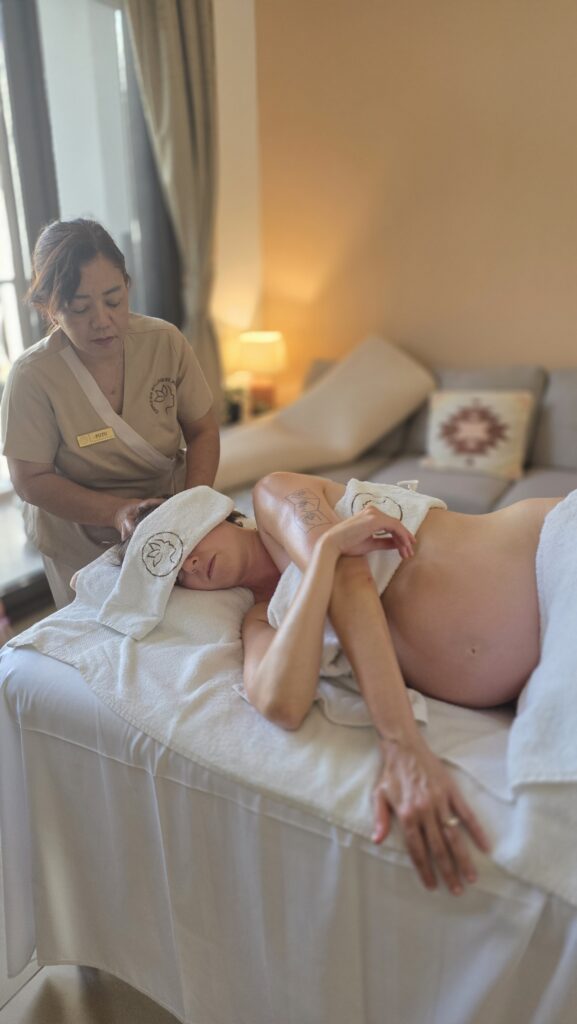
Side-lying matters in prenatal massage Dubai because it allows a pregnant client to rest in a supported position without placing direct pressure on her growing abdomen. It also gives the therapist practical access to areas such as the back, shoulders, hips and legs while allowing pillows to be arranged around the client’s changing body. At Empress Balinese Massage, prenatal treatments are performed predominantly in a supported side-lying position. A Doomoo pregnancy pillow and additional pillows may be used to support the abdomen, back, head, hips and legs. The position is never treated as a fixed setup. It is adjusted according to the client’s pregnancy stage, body shape, symptoms and comfort on the day. What Does Side-Lying Mean in Pregnancy Massage? Side-lying simply means receiving the massage while resting comfortably on one side of the body rather than lying flat on the stomach or remaining on the back for the entire treatment. During an Empress prenatal massage, the client is carefully supported with pillows so that she does not need to hold herself in position. Support may be placed: Beneath the head and neck Around or beneath the abdomen Behind the back Between the knees Beneath the upper leg Around the shoulders or arms Once one side of the treatment is complete, the therapist may help the client turn carefully so the other side can be addressed. The therapist should never rush this movement. Pregnancy can affect balance, mobility and how easily a client changes position, especially during the later weeks. Why Not Use a Standard Massage Position? A standard massage position may not be comfortable or appropriate as pregnancy progresses. Lying face down can place unwanted pressure around the abdomen and may make it difficult for the client to relax. Remaining flat on the back for an extended period may also become uncomfortable later in pregnancy. A systematic review of massage during pregnancy recommends a lateral, or side-lying, position when the pregnant client is lying down and advises against extended time in a flat-on-the-back position. NHS pregnancy guidance also recommends side sleeping later in pregnancy rather than going to sleep on the back. A professional pregnancy massage Dubai service should therefore adapt the client’s position rather than expecting her body to fit a standard massage-table routine. Side-Lying Creates Space for the Abdomen One of the clearest benefits of side-lying is that it creates space around the abdomen. Empress does not directly massage the abdomen during prenatal treatments. The pregnancy pillow and additional supports are instead arranged to help the client rest without unnecessary pressure around the bump. The exact pillow placement depends on the client. A smaller amount of support may feel comfortable earlier in the pregnancy, while a client in the later weeks may need more cushioning beneath the abdomen or behind the back. The therapist may ask: Does the abdomen feel fully supported? Is there any pulling around the lower back? Does the upper hip feel comfortable? Is the shoulder being compressed? Can the client breathe freely? Does the upper leg need more support? A position may look correct but still feel uncomfortable. The client’s feedback is therefore more important than following one standard pillow arrangement. Supporting the Hips, Back and Legs Side-lying is not simply about protecting the abdomen. The rest of the body must also be positioned carefully. If the upper leg is allowed to drop forward without support, the client may feel pulling around the hips, pelvis or lower back. A pillow placed between the knees or beneath the upper leg can help create a more comfortable position. Support behind the back may also help a client who feels as though she is rolling backwards. The therapist checks whether the head, neck and shoulders are aligned comfortably. If the head pillow is too high or too low, the neck may begin to feel strained before the massage has properly started. These details may seem small, but they determine whether the client can genuinely settle into the session. How Side-Lying Helps the Therapist Personalise the Massage Side-lying gives the therapist access to several areas that commonly require attention during pregnancy, including the back, shoulders, hips, arms and legs. More importantly, it allows the therapist to observe how the client’s body responds. Before beginning, an experienced therapist may notice: One shoulder resting higher than the other The upper hip rotating forward The client protecting her lower back Tension appearing when the leg is repositioned Shallow breathing when one area is touched Muscles tightening before pressure is applied These observations are not a medical diagnosis. They help the therapist decide where more support is needed and how the treatment should be adapted. The area that feels uncomfortable may not be the only area requiring attention. A client may report lower-back tension while also holding her hips unevenly or using her shoulders to support herself when changing position. The therapist treats the body as a connected system while remaining within the boundaries of a wellness service. Is the Left Side Better Than the Right? Clients often assume they must remain on the left side for the entire massage. In practice, the therapist may use both sides during a prenatal treatment so that appropriate areas can be addressed evenly. The time spent in each position depends on the client’s comfort and pregnancy stage. One side may feel more comfortable than the other. A client may also have hip sensitivity, shoulder discomfort or another reason why she cannot remain on one side for long. The therapist should not force a position simply because it is part of the planned routine. If the client feels dizzy, breathless, numb, uncomfortable or unusually unwell, she should tell the therapist immediately. The position can be changed, pillows can be adjusted or the session can be paused. The Importance of the Pregnancy Pillow A pregnancy pillow is not added only to make the treatment appear specialised. It has a practical role in supporting the client’s changing body. Empress may use a Doomoo pregnancy pillow together

Why Side-Lying Matters in Prenatal Massage Read More »

What Happens Before a Pregnancy Massage?

Before a pregnancy massage Dubai appointment begins, the therapist should understand the client’s pregnancy stage, current comfort, health considerations and positioning needs. At Empress Balinese Massage, the treatment does not begin the moment the therapist opens the massage oil. The preparation starts during booking and continues through the consultation, room setup and supported positioning. These steps help the therapist decide whether the session can proceed safely, which areas need attention and how the massage should be adapted. A prenatal massage should never feel like a standard massage with a pregnancy pillow added at the last minute. The experience should be planned around the pregnant client from the beginning. The Preparation Starts During Booking The first stage happens before the therapist arrives. When booking a pregnancy massage with Empress, the client may be asked how many weeks pregnant she is. Empress accepts prenatal massage bookings from 20 weeks onward as part of its safety-led service policy. The booking team may also ask whether: The pregnancy is considered high risk The client is expecting more than one baby There has been recent bleeding There is severe or unusual swelling A doctor or midwife is monitoring a health concern The client has been advised to avoid massage There are any mobility or positioning difficulties The appointment will take place at home or in a hotel These questions are not designed to make the booking process complicated. They help the team understand whether the appointment can be confirmed normally or whether additional medical guidance may be appropriate. The therapist does not diagnose conditions. Empress also does not replace advice from the client’s maternity healthcare provider. Why Is the Pregnancy Week Confirmed? The client’s pregnancy week affects how the treatment is prepared. Empress begins prenatal massage from 20 weeks onward. However, reaching 20 weeks does not automatically mean that every client is suitable for massage. A client at 21 weeks may have very different positioning and comfort needs from someone in the final weeks of pregnancy. The pregnancy stage may affect: How much pillow support is needed How easily the client can turn How long she is comfortable in one position Which areas feel sensitive The preferred session duration How frequently breaks or position changes are needed Knowing the correct pregnancy week gives the therapist useful context before the massage begins. What Happens When the Therapist Arrives? For a home service massage Dubai appointment, the Empress therapist usually arrives approximately 10 to 15 minutes early. This allows enough time to enter the property, identify a suitable treatment space, bring in the equipment and complete the consultation without rushing. The therapist arrives with the professional equipment needed for the appointment, which may include: A massage table Freshly laundered linens Clean towels Suitable massage oil A Doomoo pregnancy pillow Additional support pillows Other pregnancy-appropriate setup items Professional presentation also forms part of the experience. The therapist should arrive in a clean uniform, communicate respectfully and set up without creating unnecessary disruption in the client’s home. Luxury at home is not only about appearance. It is also reflected in preparation, punctuality, hygiene and calm communication. Choosing the Right Space Before setting up the massage table, the therapist may help the client choose a suitable area in the home or hotel room. The space should ideally be: Private Quiet Comfortable in temperature Large enough for the massage table Easy for the client to access Free from unnecessary obstacles The therapist needs enough room to move safely around the table without asking the client to repeatedly stand up or rearrange furniture. A bedroom, living area or quiet room may all be suitable, depending on the size and layout of the property. In a hotel, the client should confirm visitor and external service-provider policies before the appointment. This can help prevent access delays when the therapist arrives. The Prenatal Consultation Once the equipment is inside and the treatment area has been chosen, the therapist completes a prenatal consultation. This is one of the most important stages before the massage. The therapist may ask about: Current areas of discomfort Lower-back, hip, shoulder or leg sensitivity Preferred pressure Positions that currently feel uncomfortable Recent changes in the pregnancy Advice from a doctor or midwife Swelling or circulation concerns Any previous experience with prenatal massage Fragrance or oil sensitivities The client should answer honestly, even if she is concerned that mentioning a symptom may lead to the appointment being postponed. A massage should never continue simply because the therapist has already arrived. If there is a concern that requires medical assessment, the responsible decision may be to delay treatment. Symptoms That Should Be Shared Pregnancy can involve many physical changes, but new, severe or unusual symptoms should not be ignored. Before the session, the client should tell the therapist about concerns such as: Active or unexplained bleeding Severe or unusual swelling Pain, warmth or redness affecting one leg High blood pressure Preeclampsia Placenta previa Blood-clotting conditions Significant varicose veins Severe pain A high-risk pregnancy A recent medical assessment or hospital visit These details help the therapist recognise when the treatment may require adjustment, postponement or approval from a maternity healthcare provider. Prenatal massage supports wellness and comfort. It should never be used instead of medical assessment. How Does the Therapist Assess Comfort? The therapist learns a great deal before the client lies on the table. She may notice how the client walks into the room, lowers herself into a chair or changes direction. She may observe whether the client protects one side of her lower back, places more weight on one leg or finds it difficult to rotate her shoulders. These observations are not used to diagnose a condition. They help the therapist understand how the body is currently moving and where more support may be needed. For example, the client may mention shoulder tension, but the therapist may also notice that she is holding her breath when turning or using one arm to support herself when sitting down. This information can influence

What Happens Before a Pregnancy Massage? Read More »

prenatal massage Dubai

Is Prenatal Massage Safe After 20 Weeks?

Prenatal massage after 20 weeks may be suitable for many expectant mothers when the pregnancy is progressing normally, the therapist follows pregnancy-specific safety practices and the treatment is adapted to the client’s comfort. However, prenatal massage is not automatically suitable for every pregnant woman simply because she has reached 20 weeks. A responsible prenatal massage Dubai service should begin with a consultation, use supported positioning and recognise when medical approval may be needed. The therapist should also adjust the pressure, technique and duration according to the client’s pregnancy stage and how she feels on the day. At Empress Balinese Massage, pregnancy massage bookings begin from 20 weeks onward. This is a cautious service policy designed to create a clear and consistent safety standard. Why Is 20 Weeks an Important Starting Point for Empress? Empress has chosen 20 weeks as the starting point for its prenatal massage service because pregnancy massage requires more than changing a few movements from a standard massage routine. The booking process, client consultation, body positioning, pressure level and support equipment all need to be considered before the treatment begins. Starting from 20 weeks allows Empress to follow a structured prenatal approach that includes: Confirming the client’s pregnancy stage Discussing current symptoms and comfort Identifying concerns that may require medical approval Using supported side-lying positioning Avoiding direct abdominal massage Adjusting pressure according to the body area Avoiding hot stone treatments during pregnancy The 20-week policy does not suggest that massage before this stage causes pregnancy complications. It is simply the point from which Empress has chosen to provide its specialised prenatal service. What Makes Prenatal Massage Safe and Appropriate? Safety does not depend on the pregnancy week alone. A suitable prenatal treatment is shaped by several factors, including the client’s health, pregnancy history, current symptoms, positioning and the therapist’s ability to adapt throughout the session. A Consultation Before Treatment Every Empress prenatal session begins with a consultation. The therapist may ask how many weeks pregnant the client is, how the pregnancy is progressing and whether there are any concerns her doctor or midwife is currently monitoring. The client should mention any recent changes, even if they do not appear directly connected to massage. This may include: Unexplained bleeding Severe or unusual swelling High blood pressure Placenta-related concerns Blood-clotting conditions Significant varicose veins Multiple pregnancy A pregnancy classified as high risk New pain or unusual symptoms Advice already provided by a maternity healthcare professional The therapist is not there to diagnose the client. These questions help determine whether the treatment can proceed, whether it should be adapted or whether medical approval should be requested first. Comfortable, Supported Positioning A pregnant client should not be expected to lie in a standard massage position for the entire session. Empress performs prenatal massage predominantly in a supported side-lying position. A Doomoo pregnancy pillow and additional support pillows may be used around the abdomen, back, hips, shoulders and legs. The arrangement is adapted to the individual. One client may need more support beneath the upper leg. Another may feel more comfortable with additional cushioning behind her back. As the pregnancy progresses, these preferences may change. The therapist can reposition the pillows or adjust the treatment whenever the client feels pressure, numbness, dizziness or discomfort. Pressure That Responds to the Body Pregnancy massage does not need to feel painful or extremely deep. Pressure should be discussed before the massage and continuously adjusted during the session. Certain areas may feel comfortable with slow, focused work, while others may need a gentler technique. An experienced therapist also pays attention to non-verbal signs. If the client begins holding her breath, tightening her shoulders, guarding her lower back or moving away from the therapist’s hands, the pressure may need to change. The aim is not to follow a predetermined level of intensity. The treatment should respond to the client’s body and comfort on that particular day. What Areas Can Be Massaged During Pregnancy? A prenatal massage may focus on suitable areas such as the back, shoulders, arms, hips, legs and feet. The exact treatment depends on the client’s comfort and any areas that require additional caution. Empress does not directly massage the abdomen during prenatal treatments. The therapist also considers how different areas of the body may be connected. For example, a client may describe lower-back discomfort, but the therapist may notice that she is changing the way she walks or placing more weight on one side. Without diagnosing the cause, the therapist can use these observations to create a more balanced and personalised treatment. When Should Prenatal Massage Be Postponed? There are situations where massage should not proceed without medical guidance. Empress may postpone a session or recommend that the client speak with her maternity healthcare provider if she reports: Active or unexplained bleeding Suspected blood clot Painful or unusual swelling in one leg Preeclampsia Uncontrolled hypertension Placenta previa A blood-clotting condition A high-risk pregnancy Severe or unusual symptoms A recent medical concern that has not been assessed Sudden breathlessness, chest pain, heavy bleeding or other serious symptoms require medical attention rather than a massage appointment. These precautions are not designed to make pregnancy massage feel frightening. They are part of a professional boundary between wellness support and medical care. Massage may support comfort and relaxation, but it does not diagnose pregnancy conditions or replace advice from a doctor or midwife. Is Deep Pressure Safe During Prenatal Massage? Some pregnant clients prefer firmer pressure, especially around the shoulders, upper back or hips. However, the pressure used during prenatal massage should always be assessed by body area and adjusted gradually. Deeper pressure is not automatically more effective. A therapist should never assume that discomfort is necessary for the massage to work. If pressure feels sharp, overwhelming or causes the client to tense, it should be reduced. At Empress, the therapist communicates throughout the treatment and watches how the client responds. Pressure may be changed several times during one session. This personalised approach is particularly important because

Is Prenatal Massage Safe After 20 Weeks? Read More »

Pregnancy Massage Dubai

Why Empress Starts Pregnancy Massage at 20 Weeks

Empress Balinese Massage accepts pregnancy massage Dubai bookings from 20 weeks onward. This is a carefully chosen service policy designed to support consistent safety checks, comfortable positioning and a treatment that can be adapted to each stage of pregnancy. It does not mean that massage before 20 weeks is harmful for every pregnant woman. It also does not mean that reaching 20 weeks automatically makes massage suitable for everyone. Every pregnancy is different. This is why Empress begins each prenatal session with a consultation rather than following the same routine for every client. Why Does Empress Wait Until 20 Weeks? Many expectant mothers ask why they cannot book a massage during the earlier weeks of pregnancy. Empress has chosen 20 weeks as the starting point for its prenatal massage service because it creates a clear and cautious standard for both clients and therapists. From 20 weeks onward, the team follows a structured approach covering: Pregnancy stage and current comfort Supported massage positioning Pressure preferences Symptoms that may require additional caution Areas that should be avoided Situations where medical approval may be recommended This boundary helps ensure that pregnancy massage is never treated as a standard full-body massage with only a few minor adjustments. Prenatal massage requires a different approach from the moment the booking is made. The therapist must consider the client’s pregnancy stage, physical comfort and any concerns that could affect whether the session should proceed. The 20-week starting point is an Empress service policy. It is not a claim that massage during the first trimester causes pregnancy complications. Reaching 20 Weeks Is Only One Part of the Decision A client’s pregnancy week is important, but it is not the only factor considered before a prenatal massage Dubai session. The therapist also needs to understand how the pregnancy is progressing and whether there are any symptoms or medical concerns that should first be discussed with a doctor or midwife. Before treatment, the client may be asked about: Whether the pregnancy is considered high risk High blood pressure or preeclampsia Placenta previa or another placenta-related concern Unexplained bleeding Severe or unusual swelling Blood-clotting conditions Significant varicose veins Multiple pregnancy Recent changes requiring medical assessment Guidance already given by a maternity healthcare provider The therapist does not diagnose medical conditions. These questions allow the therapist to identify when a massage may need to be changed, postponed or approved by the client’s healthcare provider. For Empress, trust begins before the therapist starts the treatment. How Is Pregnancy Massage Different? Pregnancy massage should not follow a memorised sequence. As pregnancy progresses, the body can feel different from one week to the next. A position that felt comfortable during a previous session may no longer provide enough support. An area that tolerated firmer pressure before may feel more sensitive during the next appointment. An experienced therapist pays attention to more than the area the client says feels uncomfortable. Before starting, the therapist may notice: Whether one shoulder sits higher than the other How the client walks or changes position Whether she protects her lower back while moving Whether certain muscles tighten before being touched How comfortably she is breathing Whether more support is needed around the hips, abdomen or legs These small observations help shape the treatment. The therapist may spend more time on one area, reduce pressure in another or reposition the support pillows during the session. The massage adapts to the client instead of expecting the client to adapt to a fixed routine. How Is the Client Positioned? Empress performs pregnancy massage predominantly in a supported side-lying position. A Doomoo pregnancy pillow and additional support pillows may be placed around the body to support the abdomen, back, hips, shoulders and legs. The positioning is personalised according to: The client’s pregnancy stage The size and position of the abdomen Lower-back or hip sensitivity Shoulder comfort Breathing Personal preference The same pillow arrangement will not work for every pregnant client. During the session, the therapist may adjust the support several times. If the client feels pressure, dizziness, numbness or discomfort, she should tell the therapist immediately. A pregnant client should never feel that she must remain in an uncomfortable position simply to complete the treatment. Is the Abdomen Massaged? Empress does not directly massage the abdomen during prenatal sessions. The treatment may instead focus on appropriate areas such as the: Back Shoulders Arms Hips Legs Feet The areas included in the massage depend on the client’s comfort, pregnancy stage and suitability. Pressure is also adjusted by body area. The technique used on the shoulders may be different from the technique used around the legs or lower back. This is another reason why pregnancy massage should be performed by a therapist who understands prenatal positioning, comfort checks and professional boundaries. Does Prenatal Massage Need to Be Painful? No. Pregnancy massage does not need to feel painful to be effective as a relaxation and comfort-focused treatment. Deeper pressure is not always better. During a session, the therapist watches both verbal and non-verbal signs of comfort. If the client begins holding her breath, tightening her muscles or moving away from the pressure, the technique should be adjusted. Some areas may feel comfortable with slow and focused pressure. Other areas may require lighter, broader movements. The aim is not to test how much pressure the client can tolerate. The aim is to create a calm, supportive session that feels appropriate for her body on that particular day. When Might Empress Not Proceed With the Massage? Empress may postpone a prenatal session or recommend speaking with a maternity healthcare provider when there are concerns such as: Active or unexplained bleeding Suspected blood clot Severe or unusual swelling High-risk pregnancy Placenta previa Preeclampsia Uncontrolled hypertension Blood-clotting conditions Significant varicose veins Multiple pregnancy requiring additional medical guidance New or concerning symptoms Pain, redness, unusual warmth or significant swelling in one leg may require urgent medical assessment rather than massage. Sudden breathlessness, chest pain or other serious symptoms also require medical

Why Empress Starts Pregnancy Massage at 20 Weeks Read More »