Balinese Massage

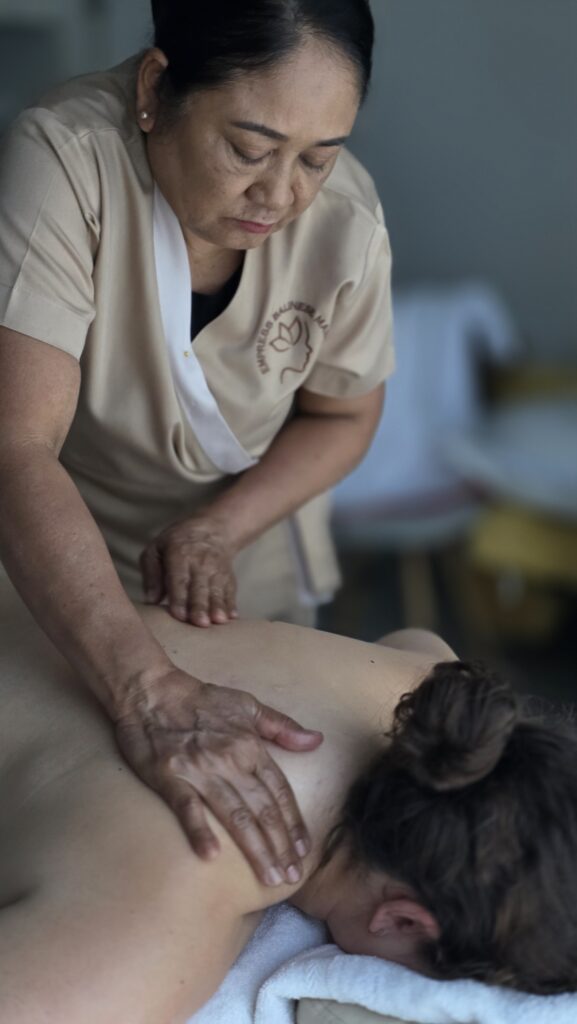
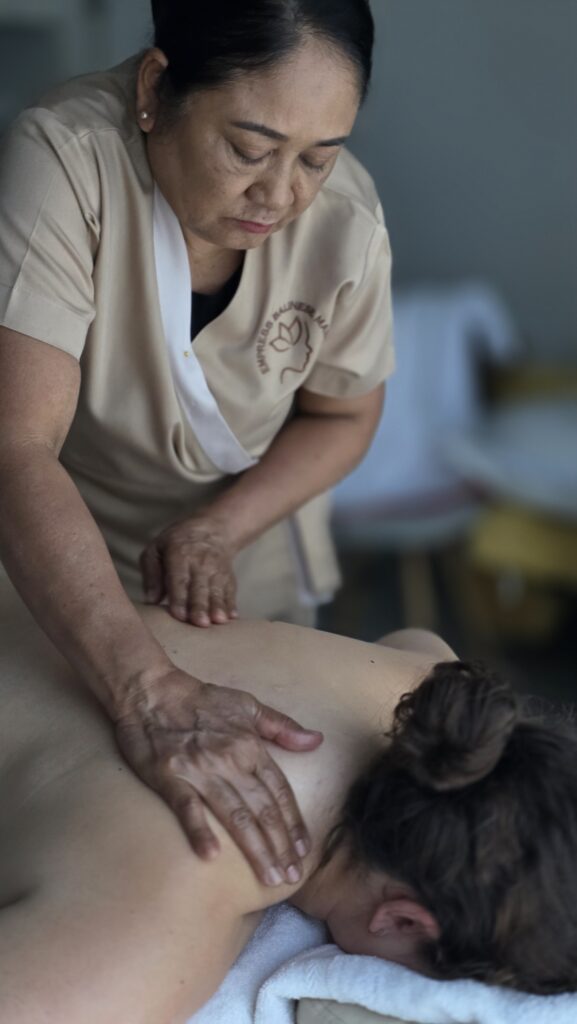
Mother enjoying a calming balinese massage in dubai after giving birth

Balinese vs Thai Massage: What’s the Difference?

Balinese and Thai massage are often grouped together because both come from Southeast Asian massage traditions, but the experience of each treatment is noticeably different. Balinese massage is generally oil-based, flowing and performed on a massage table. Thai massage places much more emphasis on assisted stretching, compression and movement. If you are comparing Balinese vs Thai massage, the easiest way to choose is to think about what you enjoy more: flowing oil massage or a more active, stretch-led treatment. At Empress, Balinese massage is one of our core services. Thai massage is not promoted as a standard Empress treatment, but it can be accommodated when specifically requested. What Is Balinese Massage? Balinese massage combines long oil-based movements, kneading, varied pressure and gentle stretching. The therapist moves through the body in a connected rhythm and can adjust the treatment from softer relaxation work to firmer pressure depending on what you prefer. One area may receive more concentrated attention while the overall massage remains flowing and full-body. This makes Balinese massage a good option when you want relaxation and muscular work within the same treatment. What Makes Thai Massage Different? Thai massage is much more movement-led. Traditional Thai techniques commonly involve compression, assisted stretching and positions where the therapist helps move the arms, legs or body through different ranges of movement. It can therefore feel much more active than Balinese massage. The exact format can vary. Traditional Thai massage is often performed clothed and with little or no oil, while adapted spa versions may use different approaches. The important difference is that Thai massage is not simply deep tissue massage under another name. Its emphasis on stretching, compression and assisted movement gives it a very different feel. Which Massage Uses More Oil? Balinese massage. Oil is an important part of the long, flowing strokes that give Balinese massage its connected rhythm. It allows the therapist to move smoothly across areas such as the back, legs and arms while changing pressure without interrupting the treatment. Traditional Thai massage commonly uses little or no oil because the therapist needs more grip for compression and assisted stretching. If flowing oil massage is something you particularly enjoy, Balinese is likely to feel more natural. Which One Includes More Stretching? Thai massage generally places much more emphasis on stretching. Balinese massage can include gentle assisted stretches, but stretching is normally one element within a broader treatment rather than the main focus. If you enjoy mobility work and like the feeling of your body being moved through stretches, Thai massage may appeal to you. If you enjoy some gentle stretching but still want long oil-based movements and a more relaxing massage rhythm, Balinese may be the better fit. Which One Feels Stronger? Either can feel strong, but for different reasons. A firm Balinese massage can include powerful kneading and more focused pressure around areas that feel tight. Thai massage may feel intense because of the stretching, compression and movement involved, even when the therapist is not applying deep pressure to one particular muscle. That is why it is usually more useful to tell the Empress team what sensations you enjoy rather than simply asking for the strongest treatment. What About Deep Tissue Massage? Deep tissue massage is different again. It is generally slower and more focused around particular areas of muscular tension. There may be some stretching, but the session is not designed around the assisted movement sequence associated with Thai massage. If your main concern is a tight shoulder, upper back or another specific muscular area, Deep Tissue may be the clearer option. If you want more assisted stretching and movement, Thai massage may suit you. If you want oil, flow and a balance between relaxation and pressure, Balinese massage is likely to be the better fit. Which One Should You Choose? Choose Balinese massage if you want: Flowing oil-based massage Adaptable pressure A full-body treatment Gentle stretching A balance between relaxation and muscular attention Consider Thai massage if you specifically prefer: More assisted stretching Compression More movement during the treatment A less oil-focused experience If you have never tried either style and prefer a familiar oil-based massage experience, Balinese may be the easier place to start because the therapist can readily adjust both the pressure and stretching throughout the session. You can also check our massage prices before deciding on your treatment and session length. Not Sure Whether You Are a Balinese or Thai Massage Person? Tell us whether you prefer oil and flowing pressure or more stretching, movement and compression. We can help you choose the treatment that better matches how you like massage to feel. Thai massage can also be accommodated when specifically requested. WhatsApp or call Empress on +971 55 133 0557 and let us know which style you normally enjoy.

Balinese vs Thai Massage: What’s the Difference? Read More »
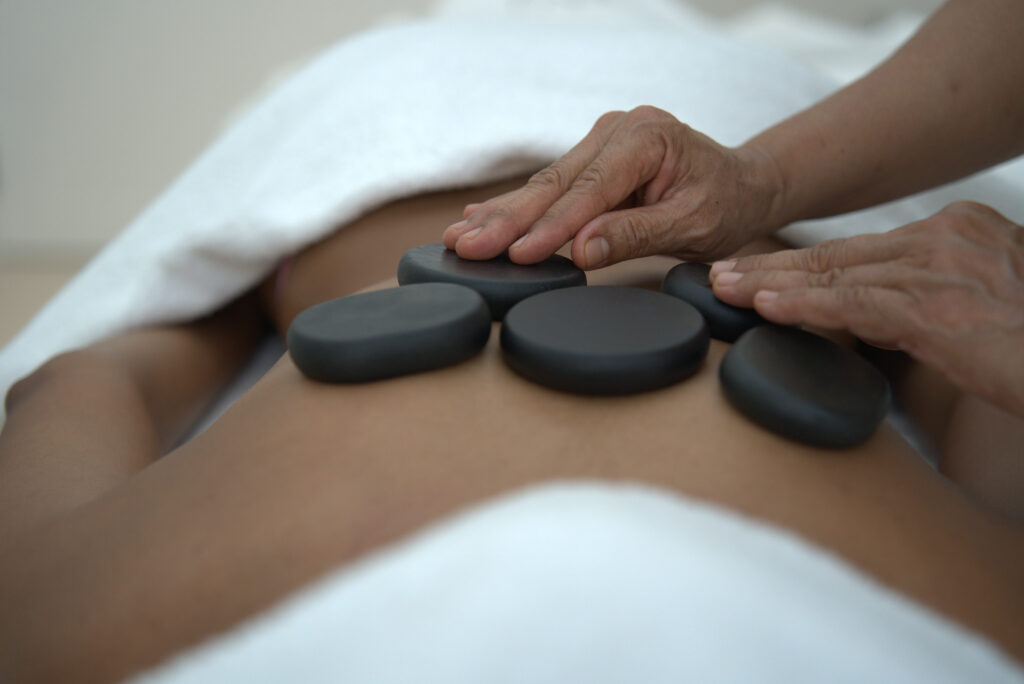
Warm basalt stones placed along the back during a hot stone massage

Balinese vs Hot Stone Massage: Which Should You Choose?

Balinese and hot stone massage can both be deeply relaxing, but they create that relaxation in very different ways. Balinese massage relies on movement. Hot stone massage adds sustained warmth. If you are comparing Balinese vs hot stone massage, think about whether your body is asking for flowing hands-on work or whether heat is the thing that sounds most comforting. What Is Balinese Massage? Balinese massage is an oil-based Indonesian massage style combining long strokes, kneading, pressure and gentle stretching. At Empress, our Balinese and Indonesian-trained therapists receive additional internal training once they join the team. The pressure can be adjusted from gentle to firm, and the therapist can spend extra time on areas such as the back, shoulders or legs without losing the flow of a full-body massage. It is a good all-round treatment for someone who wants to relax but still wants to feel that the body has been properly worked on. What Happens During a Hot Stone Massage? Empress hot stone massage has several stages. The therapist first massages the body with her hands. Once the body is prepared, she begins massaging with the heated stones. The stones are then placed on selected areas so that the warmth can remain on the body while the pace of the treatment slows. Because there is more involved than simply adding stones to a normal massage, Empress recommends 90 minutes for the full Hot Stone experience. In a shorter treatment, it is much harder to give enough time to the hands-on massage, stone massage and resting stage without rushing.   What Are the Main Hot Stone Massage Benefits? Most clients choose hot stone massage because of how the warmth feels. Heat can make the massage feel slower, cosier and more enveloping. Many clients also find it easier to settle into the pressure once the area feels warm. This is especially appealing if you feel generally stiff, love warmth or simply want a treatment that feels more indulgent than a standard massage. Hot stone massage is not about using the hottest possible stones. The temperature should feel comfortable, and the therapist checks both the heat and how the client responds throughout the treatment. Balinese vs Hot Stone Massage: Which Is Better for Muscular Tension? It depends on what you want from the treatment. If you have one or two areas that need firmer attention but still want a relaxing full-body massage, Balinese can work well because the therapist can vary the pressure while maintaining the overall flow. If your whole body feels generally stiff and you find heat especially comforting, hot stone massage may be the better fit. For more targeted muscular tension, deep tissue massage may suit you better than either treatment because the therapist can spend more time working slowly around specific areas. Which One Feels More Relaxing? This comes down to personal preference. Balinese relaxation comes from rhythm and flow. The therapist keeps moving through the body with oil, pressure, kneading and gentle stretching. Hot stone relaxation comes from warmth. There are moments where the pace naturally slows because the stones are placed on selected areas and allowed to rest. If you are someone who always chooses the warmest shower, loves a heated blanket and finds warmth comforting, Hot Stone will probably appeal to you. If you prefer movement and variety throughout the massage, Balinese may feel more satisfying. Can Both Treatments Be Firm? Yes. Balinese pressure can be adapted throughout the massage, from softer relaxation work to firmer attention around selected areas. Hot stone pressure can also vary, but the stones change the sensation of the treatment, so the therapist needs to consider both pressure and temperature. Neither treatment needs to feel painfully intense. If your main priority is very focused, firm muscular work, Deep Tissue may be a clearer choice than selecting a treatment purely because it sounds stronger. Which One Should You Book at Home in Dubai? Both treatments work well as a home massage, but the experience and ideal session length are different. Balinese massage is flexible and can work well at 60, 90 or 120 minutes. For Hot Stone, Empress strongly recommends 90 minutes because there needs to be enough time for all three stages: hands-on massage, massage using the heated stones and the resting stage. Among the different types of massage, the right choice should come down to how you want the treatment to feel rather than simply which one sounds more luxurious. You can also check the Empress massage prices and session durations before deciding which treatment and appointment length suits you. And because the massage comes to your Dubai home or hotel, you do not need to get back into the car once the treatment finishes. Balinese Flow or Hot Stone Warmth? If you are still torn between the two, tell us what sounds better today: flowing pressure and gentle stretching, or warmth and a slower treatment experience. We can help you choose without overcomplicating it. WhatsApp Empress on +971 55 133 0557. If warmth is what helps you completely switch off, we recommend booking the 90-minute Hot Stone treatment so there is enough time for the full experience.  

Balinese vs Hot Stone Massage: Which Should You Choose? Read More »

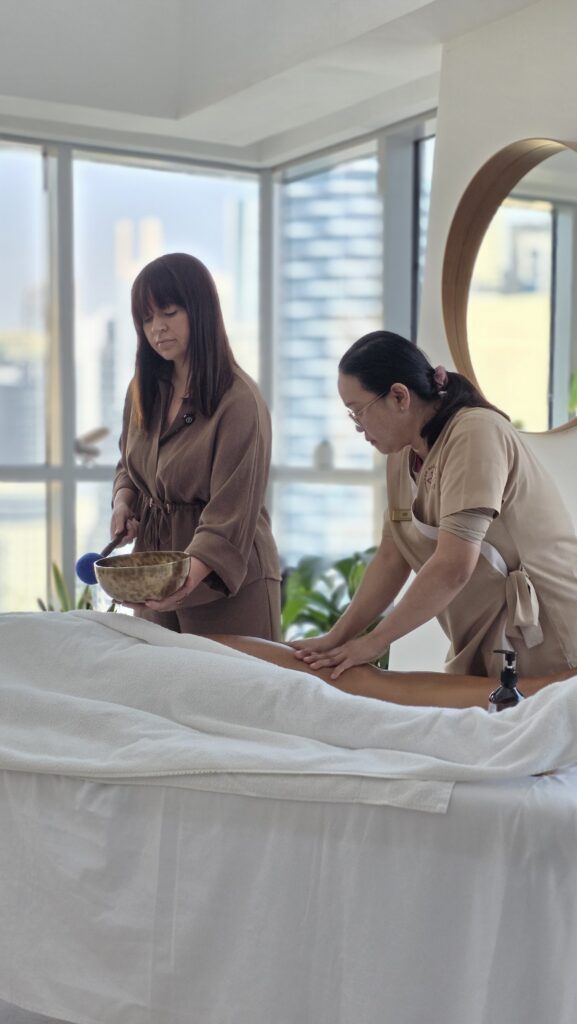
Sound healer with a singing bowl and an Empress therapist during a sound healing massage

Balinese Massage and Sound Healing at Home in Dubai

A Balinese massage Dubai session combined with sound healing brings two calming wellness experiences into one personalised home treatment. The massage may include flowing movements, rhythmic kneading, gentle stretching and pressure adapted around the client’s body. Sound is introduced to support a peaceful atmosphere and create more space to mentally slow down. This experience should not be presented as a cure for anxiety, trauma, insomnia or any medical condition. Its purpose is simpler: to offer therapeutic touch, soothing sound and uninterrupted time away from daily demands. With a professional home service massage Dubai appointment, the setup comes directly to your villa, apartment or hotel room. Once the session ends, there is no need to drive, find parking or leave the calm environment that has just been created. What Is Balinese Massage? Balinese massage is a flowing treatment influenced by traditional Indonesian massage practices. It may combine: Long and rhythmic massage movements Kneading around suitable muscular areas Gentle assisted stretching Light to focused pressure Massage oil Full-body relaxation Additional attention around selected areas The treatment should never feel like a memorised routine. Before beginning, the therapist asks about pressure preferences, sensitive areas and the reason for booking. She may then use firmer work around the shoulders or back while keeping the rest of the massage slower and more calming. The rhythm of Balinese massage makes it naturally suited to a treatment that also includes sound. What Is Sound Healing? Sound healing is a wellness practice that uses soothing sound, tone or vibration to help create a calm and focused environment. The exact instruments and format may vary depending on the service. The sound element should be introduced gently and at a volume that feels comfortable for the client. Some people enjoy sound because it gives the mind something simple to rest on. Instead of following work thoughts, messages or daily responsibilities, attention can settle into the rhythm of the session. Sound healing may support: Mental rest A calmer atmosphere An opportunity to switch off Emotional wellbeing Quiet reflection A slower treatment experience It should not be promoted as a medical or psychological treatment. How Are Massage and Sound Combined? The two elements should feel connected rather than like separate services placed next to each other. The therapist may begin with a consultation and massage setup before introducing sound at an appropriate point in the treatment. Depending on the session, sound may be used: At the beginning to help the client settle During quieter massage movements Between different stages of the treatment Near the end as the pressure becomes lighter During a period of supported rest The massage remains personalised throughout. Sound should not distract from pressure checks, positioning or client communication. If a client needs the pressure changed or feels uncomfortable, the therapist should respond immediately rather than preserving the planned sound sequence. What Does the Experience Feel Like? A Balinese massage and sound healing session may feel slower and more immersive than a standard massage appointment. The client may notice: Flowing massage movements Gradual changes in pressure Calm pauses between techniques Gentle sound or vibration Fewer outside distractions A more meditative atmosphere Time to rest without conversation The experience does not need to feel dramatic. The most effective part may simply be the absence of demands. The client is not expected to answer messages, manage traffic, speak continuously or make decisions during the treatment. The room becomes quiet enough for the body and mind to settle at the same time. Who May Enjoy This Treatment? Balinese massage with sound healing may appeal to clients who: Find it difficult to mentally switch off Want a massage that feels unhurried Prefer a calmer home wellness experience Enjoy flowing full-body massage Feel overstimulated after a demanding week Want both physical and sensory relaxation Prefer less conversation during treatment Are curious about sound-based wellness It may also suit clients who enjoy massage but want the appointment to feel different from a traditional spa treatment. Sound healing is optional as a wellness preference. It should never be treated as something every client must enjoy. Is Sound Healing Suitable for Everyone? Not every client finds sound relaxing. Some people prefer complete silence, while others may be sensitive to tone, vibration or repeated sounds. Clients who experience migraines, sensory sensitivity, hearing concerns or discomfort around particular frequencies should explain this before the session. The therapist may adjust: The volume The duration The instrument placement The point at which sound is introduced The amount of silence between sounds If the sound becomes distracting or uncomfortable, it can be reduced or stopped. A personalised session should respect the client’s response rather than expecting her to adapt to a fixed ritual. How Is Massage Pressure Personalised? Sound healing does not replace massage personalisation. The therapist still considers: Preferred pressure Priority areas Muscular sensitivity Previous massage experience Injuries or health concerns Body positioning Breathing and muscle response Verbal and non-verbal feedback A client may enjoy focused pressure around the shoulders but want the rest of the treatment to remain gentle and flowing. The therapist may adjust the intensity several times during the appointment. If the client holds her breath, tightens the muscles or moves away from pressure, the technique should change. A calming soundtrack cannot make uncomfortable pressure appropriate. Why the Home Setting Makes a Difference Sound-based wellness is strongly influenced by the surrounding environment. At home, the client has more control over: Privacy Lighting Room temperature Background noise Fragrance Phone interruptions Conversation What happens immediately after the session There is no shared spa corridor, busy reception or journey home. For an Empress appointment, the therapist brings the professional setup, which may include: A massage table Freshly laundered linens Clean towels Suitable massage oil Support pillows Sound healing equipment required for the booked experience The therapist generally arrives approximately 10 to 15 minutes early to set up without rushing. Preparing Your Space You do not need to transform your home into a wellness studio. Choose a private room with enough

Balinese Massage and Sound Healing at Home in Dubai Read More »

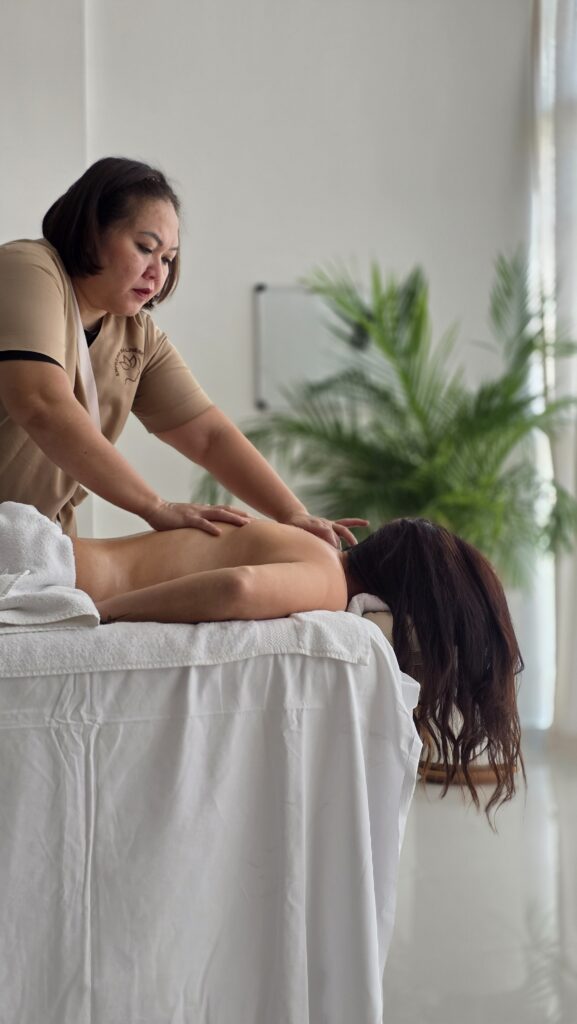
Empress therapist giving a full body Balinese massage at home

Balinese Massage at Home in Dubai: What to Expect

Balinese Massage at Home: What to Expect A Balinese massage Dubai home appointment combines professional massage techniques with the comfort and privacy of your own space. The therapist brings the massage table, fresh linens, clean towels and suitable massage oil, then creates a treatment around your pressure preferences and areas of tension. You do not need to prepare a spa room or provide specialist equipment. You only need a quiet, private area with enough space for the therapist to set up safely. From the booking conversation to the final moments after the equipment is packed away, a professional home massage should feel organised, personalised and easy. Before the Therapist Arrives The experience begins before the appointment. When booking, the Empress team may ask: Which massage you would like Your preferred appointment time Your Dubai location Whether the treatment is at home or in a hotel Your preferred pressure Any areas requiring attention Injuries, sensitivities or health concerns Fragrance or oil preferences Building access or parking details Sharing clear information helps the therapist arrive prepared for the treatment you selected. Balinese massage may include flowing movements, kneading, gentle stretching and varied pressure. If you are unsure whether it suits your needs, explain what you want from the session rather than choosing only by name. For example, you may want general relaxation, more attention around the shoulders or a balanced full-body treatment with moderate pressure. Preparing the Room A home massage does not require an elaborate setup. Choose a room that is: Private Quiet Comfortable in temperature Large enough for a massage table Free from unnecessary obstacles Easy for the therapist to access A bedroom, guest room or living area may all be suitable. You may dim the lights, close the curtains or choose quiet background music if this helps you relax. Candles, decorations and special spa furniture are not necessary. It is helpful to move small tables, bags or chairs before the therapist arrives so there is enough space to walk around the massage table. For apartment buildings, villas and gated communities, keep access instructions ready. Clear parking, reception or security information can prevent delays. The Therapist Arrives and Sets Up For a home service massage Dubai appointment, the Empress therapist generally arrives approximately 10 to 15 minutes early. This gives her time to: Enter the property Bring in the equipment Confirm the treatment area Open the massage table Arrange linens and towels Complete the consultation Prepare the oil Allow you to settle comfortably The therapist should arrive in a clean uniform, communicate respectfully and handle the equipment carefully. The setup should feel professional without disrupting your home. Personal items and furniture should be treated with care, and massage oils should remain organised throughout the visit. What the Therapist Brings The core setup may include: A professional massage table Freshly laundered linens Clean towels Suitable massage oil Support cushions or pillows where required Treatment-specific items confirmed during booking You are not expected to provide a bed, sofa, sheets or massage oil. A professional table matters because it provides a stable surface and allows the therapist to work from an appropriate height. It also gives her enough access to move safely around the client and control pressure consistently. The Consultation Before Treatment Before beginning, the therapist asks questions about what you need from the appointment. This may include: Which areas feel tired or tense Whether you prefer light, medium or firm pressure Whether any body areas should be avoided Previous injuries or recent procedures Skin or fragrance sensitivity Previous massage experience Your preferred level of conversation How you would like to feel after the session The consultation should not feel rushed. Your answers help the therapist decide how much time to spend on each area, how gradually to increase pressure and whether stretching should be included. Massage is a wellness service. New, severe or unexplained pain should be medically assessed rather than treated as ordinary muscular tension. What the Therapist May Notice An experienced therapist also pays attention to how you move before the massage begins. She may notice: One shoulder resting higher A guarded lower back Difficulty turning the neck More weight being placed on one side Tightness appearing before touch A need for additional pillow support Changes in breathing when pressure increases These observations are not used to diagnose a medical condition. They help the therapist personalise the treatment and understand where to begin. The place that feels painful may not be the only area carrying tension. How the Massage Usually Begins Balinese massage often begins with broad, calming contact. The therapist may start with slower movements to help the body settle and assess how you respond. From there, she may gradually introduce kneading, rhythmic pressure or gentle stretching where appropriate. The treatment should feel connected rather than like separate body parts being worked on without flow. A typical session may move through suitable areas such as the: Back Shoulders Neck Arms and hands Legs Feet The exact sequence may change according to your focus areas and the treatment duration. What Balinese Massage Feels Like Balinese massage is known for its flowing and varied style. During the appointment, you may experience: Long, connected massage movements Rhythmic kneading Slow, focused pressure Gentle assisted stretches Lighter techniques over sensitive areas Firmer attention around suitable muscular tension Smooth transitions between body areas The massage should not feel mechanical. The therapist may slow down around the shoulders, reduce pressure around a sensitive area or spend more time on the back if that is where you need the most attention. The treatment adapts as the session progresses. How Pressure Is Personalised There is no single pressure level used throughout Balinese massage. You may prefer stronger pressure around the shoulders but a gentler approach around the legs or feet. The therapist can change the intensity according to the body area. She also watches how you respond. Signs that pressure may be too strong include: Holding your breath Tightening your shoulders Clenching your hands Moving away

Balinese Massage at Home in Dubai: What to Expect Read More »

Balinese massage at home in Dubai

What Is Balinese Massage? Techniques and Benefits

What Is Balinese Massage? Balinese massage is a flowing, full-body treatment influenced by traditional Indonesian massage practices. It may combine rhythmic movements, kneading, gentle stretching and varied pressure to support relaxation and muscular comfort. Unlike a rigid treatment that follows the same sequence for everyone, Balinese massage can be adapted around the client’s pressure preferences, sensitive areas and reason for booking. During a professional Balinese massage Dubai appointment, the therapist may move between broad, calming techniques and more focused work where the body feels tense. The experience should feel connected and balanced rather than like separate areas being treated without consideration for the rest of the body. What Makes Balinese Massage Different? Balinese massage is often recognised by its continuous rhythm. The therapist may use long movements to connect different areas of the body, then slow down around muscles that need more focused attention. Kneading and gentle stretching may also be included where appropriate. The treatment may involve: Flowing full-body movements Rhythmic massage techniques Kneading around suitable muscular areas Gentle stretching Light, medium or focused pressure Massage oil to support smooth movement A treatment sequence adapted around the client The exact combination depends on the therapist’s approach and the client’s comfort. Balinese massage should not feel like a performance of as many techniques as possible. The movements should work together to create a calm and personalised experience. Is Balinese Massage a Full-Body Massage? Balinese massage is commonly provided as a full-body treatment, but this does not mean every area must receive equal time. Before beginning, the therapist asks what the client wants from the appointment. One person may want general relaxation after a demanding week. Another may want more attention around the shoulders, back or legs while still enjoying the flow of a full-body massage. Suitable treatment areas may include the: Back Shoulders Neck Arms and hands Legs Feet The treatment plan can be adapted around personal preferences, sensitivity and any areas that should be avoided. A personalised massage is not measured by how many body areas are covered. It is shaped by how thoughtfully the available treatment time is used. How Much Pressure Is Used? There is no single pressure level that defines Balinese massage. The treatment may feel gentle and flowing in some areas and slower or more focused in others. Pressure should be discussed before the massage and adjusted throughout the appointment. The therapist may consider: The client’s preferred pressure Previous massage experience Muscular sensitivity Areas of persistent tension The technique being used Breathing and muscle response Injuries or health considerations A client may request firm pressure, but deeper is not automatically better. If the body begins tightening, the client holds their breath or pressure feels sharp, the therapist should adapt. Strong massage does not need to be painful to feel focused. What Does Balinese Massage Feel Like? A Balinese massage often begins with broad contact that allows the therapist to understand how the body responds. The treatment may gradually move into more focused kneading, stretching or pressure around suitable areas. The therapist may then return to longer movements to keep the massage feeling connected. Clients may notice a combination of: Slow and calming movements Rhythmic pressure Focused attention around tired muscles Gentle assisted stretches Changes in pressure from one area to another A sense of continuity across the treatment The massage should not feel rushed or mechanical. An experienced therapist observes whether the muscles are relaxing, whether one side feels more sensitive and whether the client remains comfortable as pressure changes. What Does the Therapist Notice Before Starting? Personalisation begins before the client lies on the massage table. The therapist may notice how the client walks, sits or moves the shoulders. She may observe whether one side appears guarded or whether the client protects a particular area while changing position. These observations are not used to diagnose a medical condition. They help the therapist decide: Where to begin Which areas may need more time Whether additional pillow support is required How gradually pressure should increase Which movements may feel uncomfortable Whether the original treatment plan needs to change The client may mention shoulder tension, while the therapist also notices that the upper back and arms appear guarded. This can lead to a more balanced treatment than repeatedly pressing the single area identified as painful. Balinese Massage Versus Deep Tissue Massage Balinese and deep tissue massage may both include focused pressure, but they are not the same experience. Deep tissue massage generally uses slower and more concentrated pressure around areas of persistent muscular tension. It may spend longer working on selected parts of the body. Balinese massage usually maintains a more flowing, full-body rhythm. Focused pressure can still be included, but it sits within a broader and more connected treatment. Balinese massage may suit someone who wants: Relaxation with personalised pressure A flowing full-body experience Gentle stretching Focused attention without losing the overall rhythm Deep tissue massage may appeal more to someone who wants slower, targeted work around particular muscular areas. The better choice depends on your preferences, sensitivity and reason for booking. The Empress team can help you choose when you are uncertain. Balinese Massage Versus Aromatherapy Massage Both treatments can feel calming, but the focus is different. Aromatherapy massage combines massage techniques with carefully selected aromatic oils where suitable. The scent and sensory atmosphere form a central part of the experience. Balinese massage is defined more by its flowing techniques, kneading, stretching and varied pressure. Aromatic oil may still be used during a Balinese massage, but the treatment should not automatically be described as aromatherapy. Clients with fragrance sensitivity should explain their preferences before the session begins. The oil, scent and pressure should support comfort rather than distract from it. Who May Enjoy Balinese Massage? Balinese massage may suit clients who want a treatment that balances relaxation with attention to muscular tension. It may appeal to: Busy professionals who feel physically and mentally tired Clients who enjoy full-body massage People who prefer pressure to

What Is Balinese Massage? Techniques and Benefits Read More »

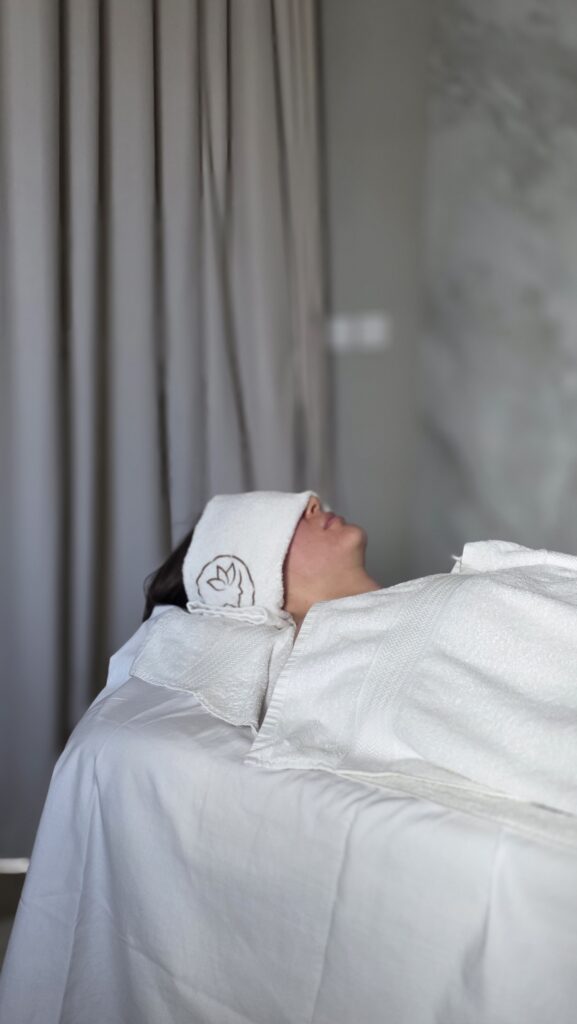
Client fully relaxed under fresh towels during a home massage

What Makes Balinese Massage in Dubai Different from Regular Spa Massage?

Dubai has no shortage of spas. Walk through any major hotel or residential district and you’ll find treatment menus promising relaxation, muscle relief, and wellness. Yet many residents eventually notice something interesting. Not all massages feel the same. Some feel pleasant for an hour. Others leave your body noticeably lighter for days. That difference often comes down to technique, training, and the philosophy behind the treatment. One style that stands out in Dubai’s wellness scene is Balinese massage. It is not simply another spa service on a menu. It is a structured healing practice rooted in centuries of Indonesian therapy. If you have ever wondered why people specifically search for Balinese massage Dubai, this guide explains what actually makes it different from a regular spa massage. And more importantly, why many residents now choose to experience it in the comfort of their own homes.   The First Difference: Balinese Massage Is a Full System, Not Just a Technique Many spa massages are adapted from Western relaxation styles. They typically use Swedish strokes, basic kneading, and light pressure designed mainly for relaxation. Balinese massage works differently. It blends several therapeutic elements into one continuous treatment: Deep tissue pressure Gentle stretching Acupressure point work Aromatherapy oils Long flowing strokes that stimulate circulation The goal is not just relaxation. The goal is restoring balance in the body. This approach has been practiced in Bali for generations, where massage is considered part of daily wellness rather than an occasional luxury. At Empress Balinese Massage, therapists follow these traditional techniques while adapting pressure and flow to each client’s body. The result is a treatment that feels both calming and therapeutic at the same time. If you want to understand how these sessions are structured or which treatment suits your body best, you can ask the team directly on WhatsApp: +971 55 133 0557 Dubai Lifestyle Creates the Perfect Need for Balinese Massage Here’s the thing about life in Dubai. Most people spend long hours sitting. Office chairs. Car seats. Flights. Phones. Laptops. Even people who exercise regularly often carry tension in the neck, shoulders, and lower back. In many Marina and Downtown apartments, residents also deal with long working hours combined with limited recovery time. Visiting a spa across the city after work is not always practical. This is why home massage services have become increasingly popular. Instead of commuting again, many residents prefer a therapist who comes directly to their home or hotel with a full professional setup. Empress Balinese Massage specializes in exactly that. Therapists bring the massage bed, linens, oils, towels, and calming setup to create a spa-quality experience in your own space. Field Insight: Where Most Tension Actually Builds One common observation therapists share is this. Most clients believe their pain comes from their lower back. But in many Dubai residents, the root tension actually starts in the shoulders and upper back. Long hours working on laptops cause the shoulders to round forward. Over time, this compresses muscles along the spine. Balinese massage specifically targets these patterns through: rhythmic deep pressure circular acupressure movements muscle stretching This combination helps release stored tension gradually rather than forcing muscles to relax suddenly. That is why many people feel significantly lighter after the treatment. What Happens During a Balinese Massage Session If you have never experienced one before, the structure of the session may surprise you. Most sessions last 60, 90, or 120 minutes, depending on your preference. The treatment typically includes: A brief consultation about pressure and areas of tension Application of aromatic essential oils Long rhythmic strokes to warm the muscles Targeted pressure on key tension points Gentle stretching movements Slow finishing strokes to restore circulation Many clients say the treatment feels almost like a combination of deep tissue massage and relaxation therapy. Mini Scenario: A Typical Dubai Client Experience Imagine this. You finish work around 7:30 PM after a full day of meetings and emails. Your shoulders feel tight. Your head feels heavy. Driving across the city to a spa feels like more effort than relief. Instead, you book a home massage. The therapist arrives with a professional massage bed, clean linens, and oils. Within minutes your living room transforms into a calm treatment space. By the end of a 90-minute Balinese massage, the pressure around your neck and shoulders has noticeably softened. And you didn’t have to step outside your door. That convenience is one reason many Dubai residents rebook regularly. Common Mistakes People Make When Booking a Massage People often choose a massage without understanding what their body actually needs. Here are a few common mistakes therapists see frequently. Choosing only the shortest session A 60-minute massage may not give enough time to address multiple tension areas. Ignoring pressure preferences Balinese massage can be adapted from light to deep pressure depending on your comfort. Waiting until pain becomes severe Regular wellness sessions often prevent deeper tension from developing. Booking unverified therapists Always choose certified professionals who follow proper hygiene and professional standards. Empress Balinese Massage emphasizes trained therapists and personalized care to ensure a safe and professional experience.   Quick Guide: Which Massage Should You Choose? If you are unsure which treatment suits you, this simple guide helps. Choose Balinese Massage if you want full-body relaxation and tension release. Choose Deep Tissue Massage if you experience chronic muscle stiffness or sports-related strain. Choose Aromatherapy Massage if your primary goal is emotional relaxation and stress relief. Choose Prenatal Massage if you are expecting and want gentle support designed for pregnancy. If you are unsure which option fits your body best, you can message the team and get guidance before booking. WhatsApp: +971 55 133 0557 Why Many Clients Prefer Massage at Home A lot of people assume spa environments are automatically better. But in practice, home treatments offer several advantages. no traffic or commuting full privacy familiar surroundings flexible booking times the ability to relax immediately after the session After a massage, many clients simply move to their bed

What Makes Balinese Massage in Dubai Different from Regular Spa Massage? Read More »

Chat with us