Hot Stone vs Deep Tissue Massage: Which Is Better?
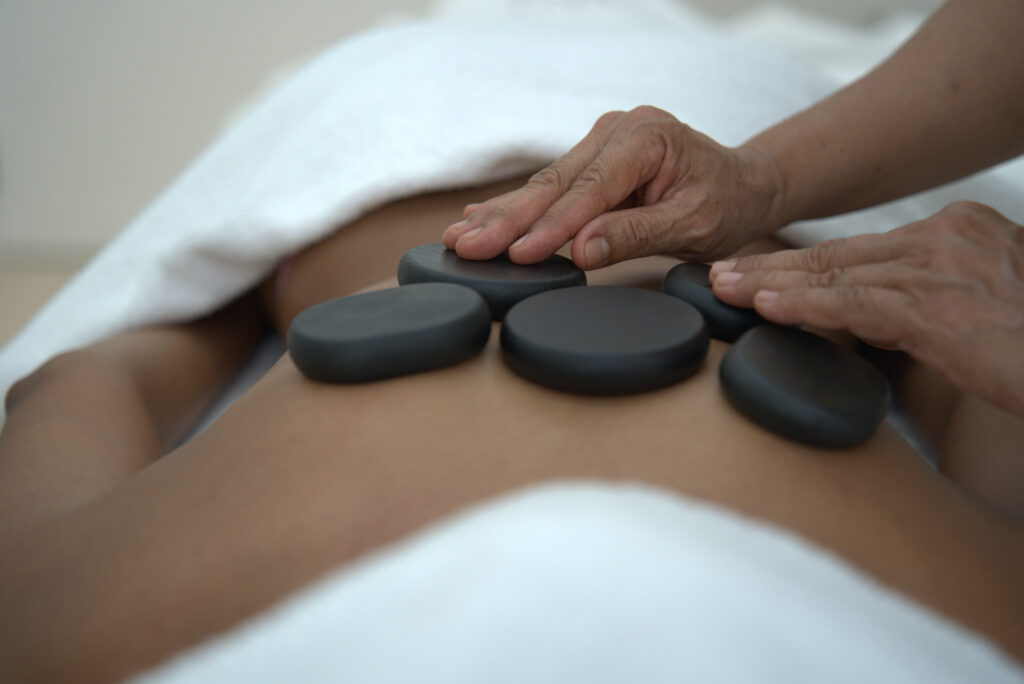
Hot Stone and Deep Tissue massage can both leave the body feeling looser, but they get there in very different ways. Hot Stone massage uses warmth to help you settle into the treatment. Deep Tissue massage uses slower, more concentrated pressure around muscular tension. If you are comparing Hot Stone vs Deep Tissue massage, think about what you want most from the appointment: comfort through warmth or focused muscular work through pressure. Choose Hot Stone When Warmth Is Part of What You Need At Empress, Hot Stone massage begins with hands-on massage. The therapist then massages using heated stones before placing selected stones on the body so the warmth can remain there while the pace of the treatment slows. That warmth is a major part of the experience. Hot Stone works particularly well when your body feels generally stiff, you enjoy heat and you want the massage to feel deeply relaxing rather than highly targeted. Because the treatment has several stages, Empress recommends 90 minutes for the full Hot Stone experience. Choose Deep Tissue When You Have Specific Muscular Areas to Work On Deep Tissue is more focused. If your upper back, shoulders, glutes or another muscular area feels particularly tight, the therapist can spend more of the appointment there using slower and firmer techniques. One of the main Deep Tissue massage benefits is that the therapist can concentrate more treatment time around the areas that need attention. The aim is not to create maximum pain. Useful pressure should still allow your body to settle into the treatment rather than spending the whole massage fighting against it. Hot Stone vs Deep Tissue Massage: Which Is Better for a Tight Back? It depends on what your back feels like. If your back feels generally stiff and warmth sounds comforting, Hot Stone may be the better fit. If there are specific areas of muscular tension that you want the therapist to spend more time working on, Deep Tissue is usually the clearer choice. The difference is less about which treatment is “stronger” and more about how you want the therapist to work. Hot Stone: warmth + massage + slower relaxation. Deep Tissue: focused pressure + more time on muscular tension. Which One Feels More Relaxing? If relaxation and warmth are your priorities, Hot Stone is the more relaxation-led option. The resting stage, where selected stones remain on the body, naturally slows the treatment down. Deep Tissue can still feel relaxing, particularly if you enjoy stronger pressure, but the therapist spends more time concentrating on muscular areas that may already feel tight or sensitive. So the question is not simply which massage is more relaxing. It is what helps you relax more: warmth or pressure? Which One Should You Choose After a Stressful Week? If your whole body feels tired and you mainly want to switch off, Hot Stone can create a slower, warmer experience. If a stressful week has left you with a specific tight neck, shoulder or back area, Deep Tissue may be the clearer fit. Think about where you are feeling the stress physically. That usually makes the choice much easier. What If You Want More Stretching? Then Sports Massage may be worth considering. Sports Massage combines stronger muscular work with more mobility and assisted stretching. It can suit active clients who want focused pressure but also like the body to be moved and stretched during the treatment. There is no reason to choose a massage simply because its name sounds stronger. Choose according to what you actually want to feel different afterwards. How Long Should You Book? For Hot Stone, Empress recommends 90 minutes so there is enough time for the hands-on massage, massage using the heated stones and the final resting stage. For Deep Tissue, the best duration depends on how many areas you want the therapist to focus on. If there is one main area, 60 minutes may be enough. If several areas need attention or you want a full-body treatment with focused muscular work, 90 minutes gives the therapist more time. You can check our massage prices and session durations before choosing your appointment. Heat or Deeper Pressure: Which Sounds Better Today? Choose Hot Stone if warmth, comfort and deep relaxation are what you want most. Choose Deep Tissue if your priority is focused muscular work around specific areas. Still unsure? Tell us where you feel the tension and what type of pressure you normally enjoy, and we can help you choose before your therapist arrives. WhatsApp Empress on +971 55 133 0557 and we’ll help you choose the treatment that fits you best.
Hot Stone vs Deep Tissue Massage: Which Is Better? Read More »