
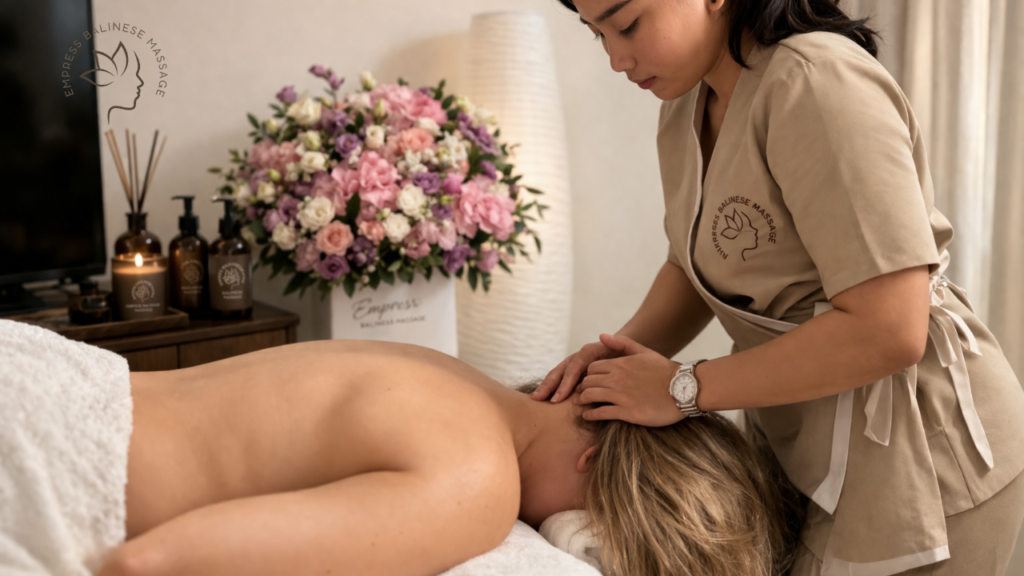
What Is Deep Tissue Massage?
Deep tissue massage is a focused massage approach that uses slower, controlled pressure around areas of persistent muscular tension.
Unlike a general relaxation massage, it may spend more time on selected areas such as the shoulders, upper back, lower back, hips or legs. The treatment should still be personalised, and the pressure should never be increased simply to make the massage feel more intense.
During a professional deep tissue massage Dubai appointment, the therapist begins by understanding where the client feels tension, how the discomfort affects movement and which pressure level feels manageable.
Deep tissue massage does not need to be extremely painful, and it should not be promoted as a cure for injuries or medical conditions.
What Does Deep Tissue Massage Actually Mean?
The term “deep tissue” does not simply mean pressing as hard as possible.
A therapist may use slower movements and more concentrated pressure to work around muscular areas that feel tight, tired or resistant. The technique is often more deliberate than a flowing relaxation massage.
A deep tissue session may include:
- Slow, focused massage movements
- Controlled pressure
- Kneading around muscular areas
- Attention to specific tension points
- Pressure adjusted by body area
- Work around connected muscle groups
- Regular comfort checks
The therapist may use the hands, fingers, knuckles or forearms where appropriate, but every technique should remain controlled.
The aim is not to overpower the body. It is to work gradually and respond to how the muscles and the client react.
Is Deep Tissue Massage a Full-Body Treatment?
It can be, but it does not always need to be.
Some clients book a full-body deep tissue massage while asking the therapist to spend more time around the back and shoulders. Others prefer the session to focus mainly on one or two areas.
Before treatment, the therapist may ask:
- Where do you feel the most tension?
- How long has the area felt uncomfortable?
- Does movement make it feel better or worse?
- Have you recently changed your work or exercise routine?
- Have you experienced an injury?
- Which pressure level do you normally prefer?
- Are there any areas you do not want massaged?
These questions help the therapist use the available treatment time more effectively.
A focused massage does not need to cover every part of the body equally.
What Does Deep Tissue Massage Feel Like?
Deep tissue massage may feel slower and more concentrated than a relaxation treatment.
The therapist may begin with broader movements before gradually focusing on areas that feel tense. Starting slowly gives the body time to settle and helps the therapist understand how much pressure is appropriate.
Clients may experience:
- Firm but controlled pressure
- Slow work around muscular tension
- A strong yet manageable sensation
- Gradual changes in pressure
- Focused attention around selected areas
- Lighter work where the body feels sensitive
The sensation should remain tolerable.
Sharp, burning, electric or overwhelming pain is not a sign that the massage is working. It is a sign that the pressure or technique needs to change.
Does Deep Tissue Massage Have to Hurt?
No. Deep tissue massage does not have to be painful to feel effective.
Some focused pressure may feel strong, especially around an area that has been tense for a long time. However, the client should still be able to breathe normally and avoid bracing against the therapist’s hands.
Pressure may be too strong if the client:
- Holds the breath
- Tightens the shoulders
- Clenches the hands
- Pulls away from touch
- Becomes unable to relax
- Feels sharp pain
- Experiences numbness or tingling
- Feels burning or sudden discomfort
The therapist should reduce the pressure, slow the movement or change the technique when these signs appear.
The quality of a deep tissue massage is not measured by how much discomfort the client can tolerate.
How Is Pressure Personalised?
Pressure should vary across the body.
A client may enjoy firm work around the shoulders but need a gentler approach around the lower back or legs. One side may also feel more sensitive than the other.
The therapist considers:
- The body area
- Muscular sensitivity
- Previous massage experience
- The client’s pressure preference
- Injuries or health concerns
- Breathing and muscle response
- How the area feels during touch
- Whether the client can remain relaxed
The therapist may gradually increase pressure rather than beginning at the strongest level.
Personalisation also means changing the treatment plan when necessary. If an area becomes more sensitive during the session, the therapist may work around it or spend less time there.
What Does the Therapist Notice First?
An experienced therapist often begins observing before the massage starts.
She may notice:
- One shoulder sitting higher
- The client turning the neck carefully
- The lower back being guarded
- More weight placed on one leg
- Restricted movement in one direction
- Muscles tightening before touch
- Changes in breathing when pressure is applied
These observations are not used to diagnose a condition.
They help the therapist understand which areas may need additional care and whether the tension appears connected to movement elsewhere.
For example, the client may report discomfort between the shoulders while also sitting with the upper body rounded forward. The therapist may create a more balanced session rather than repeatedly pressing the painful point.
Who May Enjoy Deep Tissue Massage?
Deep tissue massage may appeal to clients who prefer focused attention around muscular tension rather than a purely gentle relaxation treatment.
It may suit:
- Office professionals with tired shoulders or backs
- Clients who prefer firmer massage
- People who feel tension after travel
- Active clients with tired muscles
- Those who want selected areas prioritised
- Clients who feel a light massage does not match their preferences
Suitability still depends on the individual.
Massage should not be used instead of medical assessment when there is a recent injury, severe pain, unexplained swelling, numbness, weakness or another concerning symptom.
Deep Tissue Massage Versus Balinese Massage
Deep tissue massage and Balinese massage can both include firm pressure, but the overall experience is different.
Deep tissue massage usually focuses more closely on specific muscular areas. The therapist may work slowly and spend longer around selected points of tension.
Balinese massage usually maintains a more flowing, connected rhythm. It may combine kneading, rhythmic movements, gentle stretching and pressure that varies across the body.
Deep tissue massage may suit someone who wants:
- Slower, targeted work
- More attention on selected areas
- A focused pressure-based session
- Less emphasis on full-body flow
Balinese massage may suit someone who prefers:
- A flowing full-body experience
- Relaxation with varied pressure
- Gentle stretching
- A balance of calming and focused techniques
Neither treatment is automatically better. The right choice depends on what you want from the appointment.
Deep Tissue Massage Versus Sports Massage
Deep tissue massage focuses on areas of muscular tension using slower and more concentrated pressure.
Sports massage is often shaped around physical activity, training demands or preparation and recovery needs. It may include stretching, movement-based techniques or more targeted work related to a particular activity.
A client does not need to be an athlete to book deep tissue massage.
If pain follows a sports injury or affects strength, movement or daily function, an appropriate healthcare professional should assess it before massage.
Can Deep Tissue Massage Fix Knots?
The term “muscle knot” is commonly used to describe an area that feels tight, tender or uncomfortable.
A therapist may spend focused time around this area, but she should not promise to permanently remove or “break” a knot in one session.
Sometimes the most uncomfortable spot is not the only area involved. The therapist may also work around nearby muscles or connected areas to avoid repeatedly pressing one sensitive point.
The response can vary between clients and between appointments.
Massage may support muscular comfort, but it does not guarantee an immediate or permanent result.
When Deep Tissue Massage May Not Be Appropriate
Deep tissue massage may need to be postponed or adapted when there is:
- A recent injury
- Unexplained severe pain
- Active inflammation
- Significant bruising
- Recent surgery
- A suspected blood clot
- Broken or irritated skin
- Fever or active illness
- Numbness or unexplained weakness
- Medical advice to avoid massage
Clients taking blood-thinning medication or living with a health condition that affects bruising, circulation or tissue sensitivity should speak with an appropriate healthcare provider where necessary.
The therapist should also be told about any recent procedures or medical treatment before the appointment.
Is Deep Tissue Massage Suitable During Pregnancy?
A standard deep tissue massage should not automatically be provided to a pregnant client.
Pregnancy requires a separate prenatal consultation, supported positioning and additional safety considerations. Some focused pressure may be used in suitable areas during prenatal massage, but the treatment remains pregnancy-specific.
Empress accepts prenatal massage bookings from 20 weeks onward.
Pregnant clients should always tell the booking team that they are expecting rather than selecting a regular deep tissue service without mentioning the pregnancy.
What Happens During an Empress Home Appointment?
For a home deep tissue massage, the therapist brings the professional setup to your villa, apartment or hotel room.
This may include:
- A professional massage table
- Freshly laundered linens
- Clean towels
- Suitable massage oil
- Support cushions where required
The therapist usually arrives approximately 10 to 15 minutes early to prepare the room and complete the consultation.
Before beginning, she discusses:
- Your reason for booking
- Priority areas
- Pressure preference
- Sensitive areas
- Injuries or medical concerns
- Previous massage experience
- Areas that should be avoided
The therapist then begins gradually and adjusts the pressure throughout the session.
After the treatment, the equipment is packed neatly, allowing you to continue resting without driving through Dubai traffic or leaving your home.
What Should You Do After Deep Tissue Massage?
After the appointment, give yourself time to stand up slowly and notice how your body feels.
You may prefer to:
- Continue resting
- Avoid immediately returning to demanding activity
- Follow your usual hydration routine
- Keep the remainder of the day comfortable
- Observe any unusual or lasting discomfort
- Follow existing medical or physiotherapy advice
Some clients may feel temporary muscular sensitivity after focused work. However, severe pain, increasing swelling, weakness, numbness or other worrying symptoms should not be dismissed as a normal massage response.
Seek appropriate medical guidance when symptoms feel unusual or concerning.
Frequently Asked Questions
What is deep tissue massage?
Deep tissue massage is a focused treatment using slower and more controlled pressure around areas of persistent muscular tension. It may concentrate on selected areas rather than following a purely flowing relaxation routine.
Is deep tissue massage very painful?
It should not be extremely painful. Strong pressure may feel intense, but it should remain manageable. Sharp pain, burning, numbness or the need to hold your breath means the pressure should be reduced.
What areas can deep tissue massage focus on?
Common focus areas include the shoulders, upper back, lower back, hips and legs. The treatment plan depends on your comfort, reason for booking and any areas that should be avoided.
Is deep tissue massage the same as Balinese massage?
No. Deep tissue massage usually uses slower, more targeted work around muscular tension. Balinese massage tends to maintain a more flowing rhythm with kneading, stretching and varied pressure.
Can I choose the pressure?
Yes. Your pressure preference is discussed before treatment, but the therapist may use different intensities across the body. Pressure can be changed at any time.
Can deep tissue massage remove muscle knots?
Massage may support comfort around areas commonly described as muscle knots, but permanent or immediate removal cannot be guaranteed. The therapist may also work around connected muscles rather than repeatedly pressing one point.
How should I prepare for a home appointment?
Choose a private room with enough space for the massage table. Mention injuries, health concerns, sensitive areas and pressure preferences when booking. The therapist brings the professional equipment, linens, towels and oil.
Can I book deep tissue massage in a Dubai hotel?
Yes, subject to therapist availability and the hotel’s visitor policies. Confirm that external massage therapists are permitted and share the correct access instructions before the appointment.
Is deep tissue massage suitable during pregnancy?
Pregnant clients require a prenatal massage rather than a standard deep tissue session. Empress offers prenatal massage from 20 weeks onward with supported side-lying positioning and pregnancy-specific adaptations.
When should I avoid deep tissue massage?
Postpone the appointment if you have a suspected blood clot, recent serious injury, fever, unexplained severe pain, significant swelling or medical advice to avoid massage. Seek professional medical assessment where appropriate.
Choose Focused Care Without Unnecessary Force
Deep tissue massage should feel deliberate, not aggressive. The therapist works slowly, listens to your feedback and changes pressure according to how each area responds.
Empress brings this focused treatment into your Dubai home or hotel, removing the need to travel after a stronger massage. When booking, describe the areas that feel most tired and the type of pressure you normally enjoy so the session can be planned around you.
