
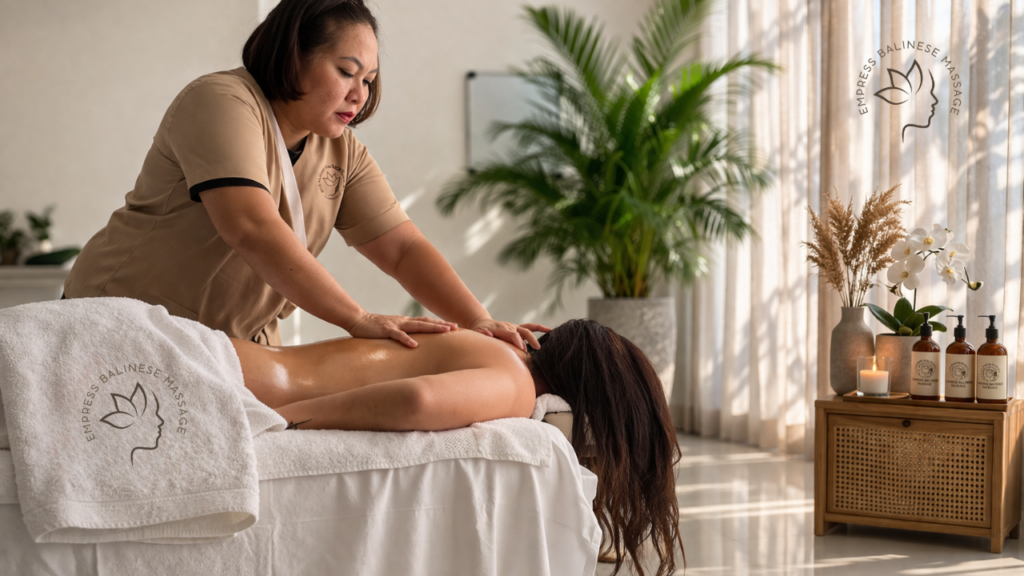
There is no single date that is suitable for every new mother to begin postnatal massage.
Timing depends on the type of birth, how the body is healing, whether there were complications and how comfortable the mother feels in different positions. A gentle massage away from healing areas may be considered earlier after an uncomplicated birth, while caesarean recovery, significant tearing, heavy bleeding or medical concerns may require more time and approval from a maternity healthcare provider.
Postpartum care should be individual rather than based only on reaching a particular number of days or weeks after birth.
Why Is There No Universal Waiting Period?
Birth affects every woman differently.
Two mothers who gave birth on the same day may have completely different recovery experiences. One may be moving comfortably after an uncomplicated vaginal birth, while another may be recovering from abdominal surgery, significant blood loss or a severe perineal tear.
The right time to start massage may depend on:
- Whether the birth was vaginal or caesarean
- Stitches, tears or an episiotomy
- The condition of a caesarean incision
- Postpartum bleeding
- Pain and mobility
- Swelling
- Blood-clot risk
- Infection or fever
- Medication
- Guidance from a doctor or midwife
- Comfortable massage positions
Being discharged from hospital does not automatically mean every type of massage is suitable.
The first postpartum weeks remain an important period of physical, mental and emotional recovery. ACOG recommends ongoing, individualised postpartum care rather than treating recovery as a single check-up or automatic “all clear.”
When Can Massage Begin After a Vaginal Birth?
After a straightforward vaginal birth, gentle massage may be considered when the mother feels physically stable, comfortable receiving touch and able to lie or sit in a supported position.
The treatment should avoid areas affected by tearing, stitches, swelling or significant sensitivity.
Before confirming an appointment, the therapist should ask:
- How recently did the birth take place?
- Was there an episiotomy or tearing?
- Are stitches still healing?
- Is postpartum bleeding reducing normally?
- Is there pelvic, abdominal or perineal pain?
- Does the mother feel dizzy or unusually weak?
- Has her maternity provider raised any concerns?
- Which positions currently feel comfortable?
Episiotomy stitches commonly take around one month to heal, although individual recovery varies. The mother should follow her midwife’s or obstetrician’s advice about activities during the healing period.
A massage of the shoulders, back, arms, hands, feet or other suitable areas may not require direct contact with the healing perineal area. Positioning must still be comfortable and respectful of the mother’s recovery.
When Can Massage Begin After a Caesarean Birth?
A caesarean section is major abdominal surgery, so massage requires additional caution.
The therapist should not massage directly over a new caesarean incision or apply pressure around the abdomen while the wound is healing. The mother must also be able to move into the massage position without pulling, straining or increasing pain around the incision.
Massage away from the surgical area may sometimes be considered when the mother feels comfortable and her healthcare provider has no concerns. However, the session may need to be shorter, gentler and supported with additional pillows.
Scar massage is a separate practice. It should only begin once the wound is fully closed and healed, with no openings, scabs or signs of infection. NHS guidance advises checking with a midwife, doctor or health visitor when uncertain.
Does the Six-Week Check Mean Massage Is Automatically Safe?
No.
Many people view the traditional six-week postnatal check as the point when all normal activities can restart. In reality, recovery should be assessed individually.
ACOG recommends contact with a maternity care provider within the first three weeks after birth, followed by continuing care and a comprehensive postpartum assessment no later than 12 weeks. It also explains that completing a postpartum visit is not automatically an “all-clear” signal because recovery may continue beyond that appointment.
Some mothers may be comfortable with gentle massage before six weeks. Others may require more time because of surgery, pain, infection, blood-pressure concerns or complications.
The calendar alone cannot determine readiness.
What Postnatal Massage Benefits Can You Expect?
Potential postnatal massage benefits may include relaxation, time to rest and support for ordinary muscular comfort.
New mothers may experience tired shoulders, a sensitive back or general physical fatigue connected with feeding, carrying the baby, interrupted sleep and spending long periods in one position.
A personalised massage may offer:
- A quiet period of rest
- Gentle muscular relaxation
- Comfort around tired shoulders or back
- Supportive positioning
- Light massage for tired hands or feet
- A calm home wellness experience
- Time focused on the mother’s needs
The experience varies between clients.
Postnatal massage should not be promoted as a way to speed up internal healing, close abdominal muscles, remove toxins, guarantee weight loss or treat postpartum medical conditions.
How Should the First Massage Be Adapted?
The first session after birth should not automatically be a strong full-body massage.
The therapist may begin with lighter pressure and focus on a few suitable areas rather than attempting to cover the whole body. She should also allow extra time for position changes and pauses.
The treatment may be adapted through:
- Supported side-lying
- A gently reclined position
- Pillows beneath the knees
- Support behind the back
- Reduced pressure
- A shorter session
- Avoidance of the abdomen
- Avoidance of healing wounds
- Breaks for feeding or baby care
A mother who is breastfeeding may find lying face down uncomfortable because of breast fullness or tenderness. Side-lying or reclined positioning may feel more suitable.
The therapist should never assume that a position is comfortable simply because it was appropriate before pregnancy.
What Should You Tell the Therapist?
Honest information helps the therapist protect your comfort and recognise when medical guidance should come first.
Tell the therapist about:
- The date and type of birth
- Caesarean incision or perineal stitches
- Heavy bleeding or birth complications
- High blood pressure or preeclampsia
- Current pain
- Fever or infection
- Unusual swelling
- Blood-thinning medication
- History or risk of blood clots
- Breast tenderness
- Medical advice already received
The therapist does not diagnose postpartum conditions.
If the cause of pain, swelling or weakness is unclear, massage may need to be postponed until the mother has been assessed.
Why Blood-Clot Awareness Matters After Birth
The risk of a venous blood clot is highest immediately after birth and remains increased during the first six weeks, although blood clots are still uncommon.
Possible signs of deep vein thrombosis often affect one leg and may include:
- Swelling
- Pain or tenderness
- Redness
- Unusual warmth
- A heavy feeling
A therapist must not massage a leg when a blood clot is suspected.
Sudden breathing difficulty, chest pain, coughing blood, collapse or feeling seriously unwell requires emergency medical attention rather than a massage appointment.
When Should Postnatal Massage Be Postponed?
Postpone massage and seek medical guidance when there is:
- Heavy or increasing bleeding
- Fever or chills
- Foul-smelling discharge
- Severe abdominal pain
- A worsening headache
- Blurred vision or other visual changes
- Extreme swelling of the hands or face
- A red, hot or painful caesarean wound
- Severe swelling, redness or pain in one leg
- Chest pain
- Breathing difficulty
- Dizziness or fainting
- A feeling that something is seriously wrong
Heavy bleeding that soaks through a pad within an hour, severe persistent pain, breathing difficulty and one-sided leg swelling are among the urgent maternal warning signs that require immediate medical attention.
Wellness treatments should never delay postpartum medical care.
Can You Book Deep Pressure After Birth?
It is usually sensible to approach the first postnatal appointment gently.
Even a client who previously enjoyed firm pressure may feel more sensitive after pregnancy and birth. Sleep disruption, feeding positions, healing tissues and physical fatigue can change how massage feels.
Pressure should be increased gradually and adapted by body area.
The therapist should reduce pressure if the mother:
- Holds her breath
- Tightens her body
- Protects the abdomen
- Experiences pulling around a wound
- Feels dizzy
- Develops sharp pain
- Notices numbness or tingling
- Becomes unable to relax
The goal is not to prove that the mother can tolerate her previous massage intensity.
The treatment should respond to her current recovery.
Why Home Postnatal Massage Can Be Easier
Travelling with a newborn can require feeding plans, changing bags, car seats and timing around sleep.
A home appointment removes that journey.
The therapist brings the professional massage table, clean towels, freshly laundered linens, suitable oil and support pillows directly to the client’s Dubai home.
Receiving massage at home allows the mother to:
- Remain close to her baby
- Avoid driving and parking
- Choose a familiar room
- Pause when necessary
- Control the temperature and atmosphere
- Continue resting after treatment
The session may need to adapt around feeding or an unexpected interruption. A supportive postnatal service should treat this flexibility as part of caring for a new mother rather than as an inconvenience.
Frequently Asked Questions
How soon after birth can I have a postnatal massage?
There is no universal start date. Timing depends on the type of birth, healing, symptoms and medical guidance. Gentle massage away from healing areas may be considered when you feel stable and comfortable, but surgery or complications may require additional recovery time.
Do I need to wait six weeks?
Not every mother needs to wait exactly six weeks, and reaching six weeks does not automatically make every massage suitable. Your readiness should be based on healing, comfort and guidance from your maternity healthcare provider.
Can I have massage after a caesarean section?
Massage away from the incision may be possible when you can move comfortably and your healthcare provider has no concerns. Direct abdominal or scar massage should wait until the wound has fully healed and medical guidance has been followed.
Can massage be performed over a caesarean scar?
Not while the wound is still healing. Scar massage should only begin once the incision is fully closed, with no scabs, openings or signs of infection, and preferably after advice from a maternity healthcare professional.
Is postnatal massage safe while breastfeeding?
Breastfeeding itself does not automatically prevent massage. However, breast fullness or tenderness may make face-down positioning uncomfortable. Side-lying or reclined support can be used instead.
Can postnatal massage reduce my abdomen?
Postnatal massage should not be promoted as a way to flatten the abdomen, close separated muscles or produce weight loss. Its role is comfort and relaxation rather than body transformation.
What pressure is used?
The first treatment is usually approached gently, with pressure personalised by body area and comfort. The therapist may gradually increase the intensity where appropriate, but pain should never be required.
When should I avoid postnatal massage?
Avoid massage and seek medical advice for heavy bleeding, fever, severe pain, an infected wound, one-sided leg swelling, chest pain, breathing difficulty, severe headache or visual changes.
Can the massage take place at home?
Yes. A professional postnatal massage can be arranged at home, subject to suitability and therapist availability. The therapist brings the massage table, linens, towels, oil and support equipment.
Start with a Conversation, Not a Countdown
Your first postnatal massage should be planned around your recovery, not selected simply because a certain number of weeks has passed.
Share your delivery date, type of birth, healing progress and current comfort with the Empress team. When massage is suitable, the therapist can create a gentle home session that gives your body space to rest without asking it to recover faster than it is ready to.
