aisha

Balinese Massage

Balinese Massage and Sound Healing at Home in Dubai

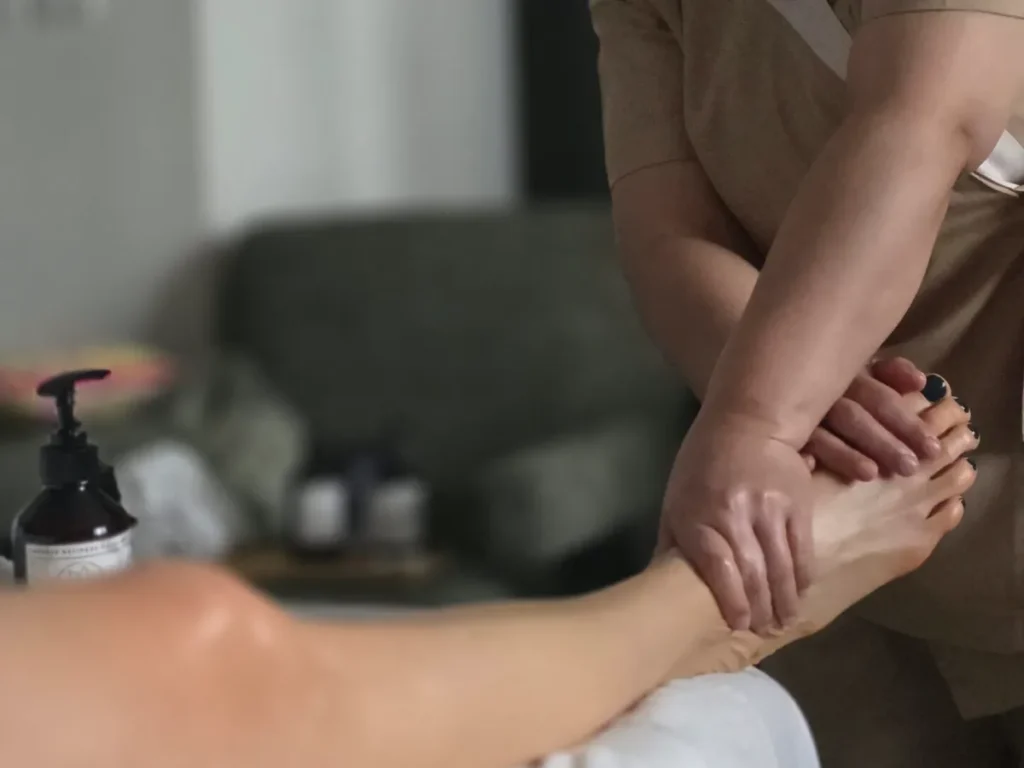
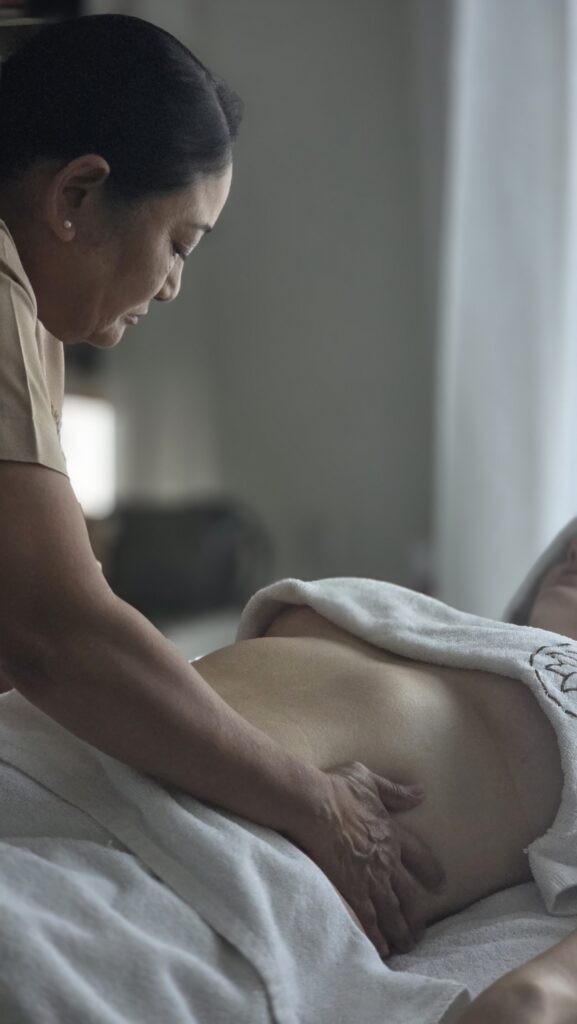
A Balinese massage Dubai session combined with sound healing brings two calming wellness experiences into one personalised home treatment. The massage may include flowing movements, rhythmic kneading, gentle stretching and pressure adapted around the client’s body. Sound is introduced to support a peaceful atmosphere and create more space to mentally slow down. This experience should not be presented as a cure for anxiety, trauma, insomnia or any medical condition. Its purpose is simpler: to offer therapeutic touch, soothing sound and uninterrupted time away from daily demands. With a professional home service massage Dubai appointment, the setup comes directly to your villa, apartment or hotel room. Once the session ends, there is no need to drive, find parking or leave the calm environment that has just been created. What Is Balinese Massage? Balinese massage is a flowing treatment influenced by traditional Indonesian massage practices. It may combine: Long and rhythmic massage movements Kneading around suitable muscular areas Gentle assisted stretching Light to focused pressure Massage oil Full-body relaxation Additional attention around selected areas The treatment should never feel like a memorised routine. Before beginning, the therapist asks about pressure preferences, sensitive areas and the reason for booking. She may then use firmer work around the shoulders or back while keeping the rest of the massage slower and more calming. The rhythm of Balinese massage makes it naturally suited to a treatment that also includes sound. What Is Sound Healing? Sound healing is a wellness practice that uses soothing sound, tone or vibration to help create a calm and focused environment. The exact instruments and format may vary depending on the service. The sound element should be introduced gently and at a volume that feels comfortable for the client. Some people enjoy sound because it gives the mind something simple to rest on. Instead of following work thoughts, messages or daily responsibilities, attention can settle into the rhythm of the session. Sound healing may support: Mental rest A calmer atmosphere An opportunity to switch off Emotional wellbeing Quiet reflection A slower treatment experience It should not be promoted as a medical or psychological treatment. How Are Massage and Sound Combined? The two elements should feel connected rather than like separate services placed next to each other. The therapist may begin with a consultation and massage setup before introducing sound at an appropriate point in the treatment. Depending on the session, sound may be used: At the beginning to help the client settle During quieter massage movements Between different stages of the treatment Near the end as the pressure becomes lighter During a period of supported rest The massage remains personalised throughout. Sound should not distract from pressure checks, positioning or client communication. If a client needs the pressure changed or feels uncomfortable, the therapist should respond immediately rather than preserving the planned sound sequence. What Does the Experience Feel Like? A Balinese massage and sound healing session may feel slower and more immersive than a standard massage appointment. The client may notice: Flowing massage movements Gradual changes in pressure Calm pauses between techniques Gentle sound or vibration Fewer outside distractions A more meditative atmosphere Time to rest without conversation The experience does not need to feel dramatic. The most effective part may simply be the absence of demands. The client is not expected to answer messages, manage traffic, speak continuously or make decisions during the treatment. The room becomes quiet enough for the body and mind to settle at the same time. Who May Enjoy This Treatment? Balinese massage with sound healing may appeal to clients who: Find it difficult to mentally switch off Want a massage that feels unhurried Prefer a calmer home wellness experience Enjoy flowing full-body massage Feel overstimulated after a demanding week Want both physical and sensory relaxation Prefer less conversation during treatment Are curious about sound-based wellness It may also suit clients who enjoy massage but want the appointment to feel different from a traditional spa treatment. Sound healing is optional as a wellness preference. It should never be treated as something every client must enjoy. Is Sound Healing Suitable for Everyone? Not every client finds sound relaxing. Some people prefer complete silence, while others may be sensitive to tone, vibration or repeated sounds. Clients who experience migraines, sensory sensitivity, hearing concerns or discomfort around particular frequencies should explain this before the session. The therapist may adjust: The volume The duration The instrument placement The point at which sound is introduced The amount of silence between sounds If the sound becomes distracting or uncomfortable, it can be reduced or stopped. A personalised session should respect the client’s response rather than expecting her to adapt to a fixed ritual. How Is Massage Pressure Personalised? Sound healing does not replace massage personalisation. The therapist still considers: Preferred pressure Priority areas Muscular sensitivity Previous massage experience Injuries or health concerns Body positioning Breathing and muscle response Verbal and non-verbal feedback A client may enjoy focused pressure around the shoulders but want the rest of the treatment to remain gentle and flowing. The therapist may adjust the intensity several times during the appointment. If the client holds her breath, tightens the muscles or moves away from pressure, the technique should change. A calming soundtrack cannot make uncomfortable pressure appropriate. Why the Home Setting Makes a Difference Sound-based wellness is strongly influenced by the surrounding environment. At home, the client has more control over: Privacy Lighting Room temperature Background noise Fragrance Phone interruptions Conversation What happens immediately after the session There is no shared spa corridor, busy reception or journey home. For an Empress appointment, the therapist brings the professional setup, which may include: A massage table Freshly laundered linens Clean towels Suitable massage oil Support pillows Sound healing equipment required for the booked experience The therapist generally arrives approximately 10 to 15 minutes early to set up without rushing. Preparing Your Space You do not need to transform your home into a wellness studio. Choose a private room with enough

Balinese Massage and Sound Healing at Home in Dubai Read More »

Lomi Lomi Massage

What Is Lomi Lomi Massage? Techniques and Differences

Lomi Lomi massage is a traditional Hawaiian bodywork practice known for long, flowing and continuous massage movements. Therapists may use their hands and forearms to create broad strokes that move across different areas of the body in a connected rhythm. The word “lomi” is commonly understood to relate to rubbing, kneading or soothing touch. However, Lomi Lomi is more than one standard massage sequence. Its practice may vary between Hawaiian families, teachers and traditions. Modern wellness centres often present Lomi Lomi as an oil-based relaxation massage. Traditional forms may carry deeper cultural, spiritual and family significance, so the treatment should be described with respect rather than reduced to a spa trend. Clients who enjoy flowing massage but cannot find Lomi Lomi locally may consider Balinese massage Dubai, which offers its own combination of rhythmic movements, kneading, gentle stretching and personalised pressure. What Makes Lomi Lomi Massage Different? The most recognisable feature of Lomi Lomi massage is its continuous flow. Instead of treating the back, arms and legs as completely separate areas, the therapist may use long movements that connect one part of the body to another. Forearm techniques are often used to create broad contact without concentrating pressure into one small point. A Lomi Lomi-inspired session may include: Long, sweeping movements Rhythmic forearm techniques Hands-on kneading Continuous transitions between body areas Massage oil Gentle joint or body movement Pressure adapted to the client A calm and unhurried pace The client may experience several movements happening in a smooth sequence rather than waiting for one area to be completed before the therapist moves to the next. The aim is generally to create a sense of continuity, comfort and relaxation. Where Does Lomi Lomi Massage Come From? Lomi Lomi originates from Hawaiian healing and bodywork traditions. Different forms were historically practised within families and communities, and knowledge could be passed between generations. Techniques and purposes were not necessarily identical across every practitioner or lineage. This matters because Lomi Lomi should not be described as though there is one universal routine that represents all Hawaiian practice. Some modern versions focus mainly on flowing forearm massage. Traditional approaches may also be connected with cultural values, prayer, breath, family knowledge or broader wellbeing practices. A responsible wellness description should acknowledge these Hawaiian roots without making exaggerated spiritual claims or presenting cultural practices as decoration. What Does Lomi Lomi Massage Feel Like? Lomi Lomi often feels broad, rhythmic and deeply flowing. The therapist may use the forearms to move across larger muscular areas, then use the hands for more focused kneading or controlled pressure. Clients may notice: Long movements across the back Broad forearm contact Changes between light and firmer pressure Smooth transitions from one area to another A steady, almost wave-like rhythm Less emphasis on repeatedly pressing one point The experience should not feel rushed or mechanical. Although the movements may be continuous, the therapist should still pay attention to individual sensitivity, preferred pressure and areas the client does not want included. Flow should never replace communication. Why Are Forearms Commonly Used? The forearms allow the therapist to create broad pressure across larger areas. Compared with a fingertip or thumb, the forearm spreads contact over a wider surface. This can create a smooth and grounded sensation without concentrating all the pressure into one small point. Forearm movements may be used around suitable areas such as the: Back Shoulders Arms Legs Hips The therapist should maintain control at all times. Broad pressure can still feel too intense if the therapist uses excessive force or moves over a sensitive area. Clients should speak up if they experience sharp pain, numbness, burning or discomfort. Is Lomi Lomi a Full-Body Massage? Lomi Lomi is commonly presented as a full-body treatment because its flowing movements are designed to create continuity across the session. However, a full-body massage does not mean every area must receive equal time. The treatment should still be adapted according to: The client’s reason for booking Pressure preferences Sensitive areas Injuries or health concerns Personal boundaries Treatment duration Areas the client wants excluded A client may want a generally flowing treatment while requesting more attention around the shoulders or back. The therapist should explain the treatment and draping clearly before beginning, especially because some Lomi Lomi styles use broad movements across connected body areas. Is Oil Used During Lomi Lomi Massage? Yes, massage oil is commonly used in modern Lomi Lomi treatments. Oil helps the therapist’s hands and forearms move smoothly across the body without unnecessary friction. It supports the long, uninterrupted movements associated with the style. Before treatment, clients should mention: Skin allergies Fragrance sensitivity Recent skin treatments Rashes or irritation Personal scent preferences The oil should support the massage rather than make the client uncomfortable. A professional therapist should also use appropriate draping and explain which areas will be included before the massage starts. Does Lomi Lomi Massage Use Deep Pressure? Lomi Lomi can include varied pressure, but it is not defined by extreme intensity. Some movements may feel gentle and soothing, while others may use firmer forearm pressure around suitable muscular areas. The therapist should consider: The body area The client’s sensitivity Previous massage experience Health considerations Breathing and muscle response Verbal feedback A client should not need to tolerate pain to experience the flowing quality of the treatment. If the client begins holding their breath, tightening the body or moving away from contact, the therapist should reduce the pressure or change the technique. Lomi Lomi Massage Versus Balinese Massage Lomi Lomi and Balinese massage are both oil-based treatments that may feel rhythmic and connected. However, they come from different cultures and have distinct treatment characteristics. Cultural Origin Lomi Lomi comes from Hawaiian bodywork traditions. Balinese massage is influenced by traditional Indonesian massage practices. The cultural names should not be used interchangeably. Massage Flow Lomi Lomi is especially known for long, sweeping movements and the frequent use of the forearms. Balinese massage also includes flowing movements, but it may combine them more visibly

What Is Lomi Lomi Massage? Techniques and Differences Read More »

Thai Massage

What Is Thai Massage? Techniques and Differences

Thai massage is a traditional form of bodywork that combines assisted stretching, rhythmic pressure and guided movement. It is commonly performed while the client remains fully clothed, often on a firm floor mat rather than a raised massage table. Unlike an oil-based relaxation massage, Thai massage may involve the therapist moving the client’s arms, legs and body through a series of supported positions. Hands, thumbs, palms, forearms, elbows or knees may be used to apply controlled pressure where appropriate. Thai massage can feel active and movement-focused. Clients who prefer a smoother, oil-based treatment may find a Balinese massage Dubai experience more suitable. How Is Thai Massage Performed? Traditional Thai massage is usually provided on a padded mat placed on the floor. The client wears comfortable clothing that allows free movement. Massage oil is not normally required because the therapist works over the clothing. During the session, the therapist may: Apply rhythmic pressure Use palms or thumbs on suitable muscular areas Move the arms and legs gently Guide the body through assisted stretches Support the client while changing positions Work along the back, shoulders, hips and legs Adjust the range of movement according to comfort The treatment may move between lying on the back, side or front, depending on the client’s mobility and the techniques being used. A professional therapist should never force the body into a position simply because it is part of a traditional routine. What Does Thai Massage Feel Like? Thai massage can feel more active than many other massage styles. Instead of remaining still while the therapist performs long oil-based movements, the client may be repositioned several times. The therapist may lift an arm, bend a leg or guide the upper body through a controlled stretch. Some parts of the treatment may feel slow and grounding. Other parts may feel more energising or movement-led. Clients may experience: Firm, rhythmic pressure Gentle pulling or stretching Compression through clothing Changes in position A combination of stillness and movement Focused attention around tired muscles The treatment should remain controlled and manageable. Sharp pain, joint strain, numbness or a feeling of being pushed beyond a comfortable range means the technique needs to change. Is Thai Massage the Same as Yoga? Thai massage is sometimes described informally as assisted yoga because the therapist moves the client through stretch-like positions. However, the client is not expected to perform an exercise routine or hold difficult poses. The therapist supports the movement and controls the pace. The client should be able to remain relaxed rather than actively working to maintain each position. Thai massage is still a massage and bodywork service, not a yoga class or physiotherapy session. It should not be promoted as a way to correct alignment, treat an injury or replace professional rehabilitation. Does Thai Massage Use Oil? Traditional Thai massage is usually performed without massage oil. The client remains clothed, and pressure is applied through comfortable garments. This allows the therapist to use assisted movement and stretching without the skin becoming slippery. This is one of the clearest differences between Thai and Balinese massage. Balinese massage generally uses massage oil to support flowing movements, kneading and varied pressure directly over the skin. Someone who enjoys the sensory feeling of oil and long massage movements may prefer Balinese massage. Someone who prefers to remain fully clothed and enjoys guided stretching may be more interested in Thai massage. Thai Massage Versus Balinese Massage Thai and Balinese massage both come from Asian wellness traditions, but the treatment experiences are noticeably different. Position and Setup Thai massage is commonly provided on a floor mat, with the client fully clothed. Balinese massage is usually provided on a professional massage table, with massage oil and appropriate draping. Movement Thai massage may involve frequent position changes and assisted stretches. Balinese massage generally allows the client to remain more passive while the therapist uses flowing and rhythmic techniques. Pressure Both treatments can include firm pressure. Thai massage often uses compression through clothing, while Balinese massage may combine kneading, long movements and more focused pressure directly over suitable muscular areas. Overall Experience Thai massage may feel active, structured and stretch-focused. Balinese massage usually feels more flowing, oil-based and relaxation-led while still allowing focused muscular attention. Neither treatment is automatically better. The choice depends on how much movement, stretching and oil-based contact you prefer. Who May Enjoy Thai Massage? Thai massage may appeal to clients who: Prefer to remain fully clothed Enjoy gentle assisted stretching Like rhythmic pressure Feel comfortable changing positions Prefer a more active treatment Do not want massage oil Want a full-body bodywork experience It may not suit someone who wants to remain completely still throughout the treatment or who prefers long, flowing massage movements. Clients with limited mobility, recent injuries or joint sensitivity should explain this before treatment begins. The therapist must adapt the session rather than expecting the client to fit every traditional technique. Who May Prefer Balinese Massage? Balinese massage may suit clients who want: A flowing full-body experience Massage oil Personalised pressure Rhythmic kneading Gentle stretching where appropriate A quieter and more passive treatment Focused work without frequent position changes During an Empress Balinese massage, the therapist may move between broad, calming techniques and slower attention around areas of tension. The treatment remains connected across the body rather than feeling like a series of separate stretches. For clients seeking massage at home in Dubai, Balinese massage can also be provided on a professional massage table with fresh linens, towels and suitable oil brought directly to the property. Is Thai Massage Painful? Thai massage should not feel painfully forceful. Some stretches or pressure techniques may create a strong sensation, but the client should still be able to breathe normally and avoid bracing against the movement. The therapist should stop or adapt the technique if the client experiences: Sharp pain Joint discomfort Burning Numbness Tingling Dizziness Muscle cramping A feeling that the body is being forced Flexibility differs from person to person. A position that

What Is Thai Massage? Techniques and Differences Read More »

Madero Therapy

Madero Therapy: What Happens During a Session?

Madero therapy is a body massage technique that uses specially shaped wooden tools alongside manual massage movements. During a session, the therapist applies rhythmic and controlled techniques across suitable areas, adjusting the intensity according to the client’s comfort and treatment goals. It is often booked by clients interested in body-contouring wellness, massage with a more stimulating rhythm or a treatment that feels different from a traditional hands-only massage. Madero therapy should not be promoted as a guaranteed weight-loss treatment or a permanent solution for cellulite. It may form part of a wider wellness routine, but results and experiences differ between clients. With a professional home service massage Dubai appointment, the therapist brings the treatment equipment directly to your villa, apartment or hotel room and prepares the session around your body, sensitivity and preferences. What Is Madero Therapy? The word “madero” comes from the Spanish word for wood. Madero therapy, also known as maderotherapy or wood therapy, uses specially designed wooden tools to perform rhythmic massage techniques across selected body areas. The tools may vary in shape and purpose. Some are designed to roll across broader areas, while others allow the therapist to work more precisely around suitable sections of the body. A session may combine: Manual massage Rhythmic wooden-tool movements Rolling techniques Controlled pressure Focused work around selected areas Massage oil to reduce friction Intensity adjusted throughout the session The tools should never be used carelessly or with uncontrolled force. A professional treatment depends on the therapist’s technique, pressure control and ability to recognise when an area is too sensitive to continue. What Happens Before the Session Begins? Every madero therapy appointment should begin with a consultation. The therapist needs to understand why you are booking, which areas you would like included and whether there are any medical or physical concerns that could affect the treatment. She may ask about: Your main treatment goals Areas you want the therapist to focus on Pressure sensitivity Bruising easily Varicose veins Recent surgery or cosmetic procedures Skin irritation Unexplained swelling Pregnancy Medication or medical advice Previous experience with madero therapy This consultation is important because madero therapy can feel more stimulating than a gentle relaxation massage. The therapist should never assume that strong pressure is suitable simply because the client requested a body-contouring treatment. Which Areas Can Be Included? Madero therapy is commonly used across suitable areas such as the: Thighs Hips Buttocks Abdomen, where appropriate Arms Back Waist area The areas included depend on the service booked, the client’s comfort and any contraindications. Not every part of the body should receive the same tool, pressure or amount of treatment time. The therapist may spend longer around one area and work more gently around another. She may also avoid areas with bruising, painful veins, broken skin, recent procedures or unexplained tenderness. A personalised session is more important than completing a fixed sequence. How Is the Treatment Space Prepared? For a home appointment, the Empress therapist brings the professional setup to your Dubai home or hotel. This may include: A professional massage table Freshly laundered linens Clean towels Suitable massage oil Sanitised wooden massage tools Support cushions where required The therapist generally arrives approximately 10 to 15 minutes early so she can prepare the room, complete the consultation and organise the tools without rushing. You only need to provide a clean, private area with enough space for the massage table and for the therapist to move around it safely. The room does not need to look like a spa. A comfortable temperature, good access and minimal interruptions are enough. How Does the Session Begin? The therapist may begin with manual massage rather than immediately applying the wooden tools. This allows her to: Introduce contact gradually Apply the massage oil Assess sensitivity Observe how the tissues respond Prepare the selected area Confirm that the pressure feels comfortable Beginning manually can also help the client understand the treatment pace before the more rhythmic techniques start. The therapist may then introduce one wooden tool at a time rather than using every tool during every appointment. What Do the Wooden Tools Feel Like? The sensation depends on the tool, technique and pressure. Some movements may feel broad and rolling. Others may feel more focused or stimulating. The therapist may repeat rhythmic movements across one area before changing direction or selecting another tool. A session may feel: Rhythmic Energising Firm Repetitive in a controlled way More stimulating than relaxation massage Different across each treatment area The sensation should remain manageable. The client should not feel that the therapist is scraping, aggressively pressing or forcing the tool into the body. Is Madero Therapy Painful? Madero therapy may feel firm, but it should not feel sharply painful or uncontrolled. The idea that bruising proves the treatment is working is misleading. Excessive bruising may indicate that the pressure was too strong, the area was too sensitive or the technique was unsuitable. Tell the therapist immediately if you experience: Sharp pain Burning Numbness Tingling Pinching Sudden tenderness Dizziness Pain around a vein Pressure that feels impossible to tolerate The therapist may reduce the intensity, change tools, use more manual massage or avoid the area. Pain is not a requirement for a body massage to feel focused. How Is the Intensity Personalised? The therapist should not use one pressure level across the entire body. Intensity may be adjusted according to: The selected area Skin and tissue sensitivity Previous massage experience Bruising tendency Varicose veins The shape of the wooden tool The client’s feedback How the body responds during treatment A broad rolling tool may feel comfortable around one area but too intense around another. The therapist also watches for non-verbal signs, such as the client holding her breath, tightening her muscles or moving away from the tool. If the body is constantly bracing, the session is too intense to feel controlled or comfortable. What Is the Role of Massage Oil? Massage oil helps the tools move more smoothly across the skin. Without enough

Madero Therapy: What Happens During a Session? Read More »

Postnatal Massage

Postnatal Massage Benefits for New Mothers

The most meaningful postnatal massage benefits are often simple: time to rest, support for tired muscles and a treatment shaped around how the mother is recovering after birth. Feeding, carrying a baby, interrupted sleep and spending hours in repeated positions can leave the shoulders, back, arms and hands feeling tired. A personalised massage may help a suitable client feel calmer and more physically comfortable. However, postnatal massage does not speed up internal healing, remove body fat, treat postpartum complications or replace care from a doctor, midwife or physiotherapist. Every new mother recovers differently. The type of birth, healing progress, current symptoms and medical guidance should therefore be considered before treatment begins. A Quiet Pause During a Demanding Stage The postnatal period can feel physically and emotionally demanding. Much of the day may revolve around feeding, settling the baby, changing nappies and trying to rest between interruptions. Even when family support is available, mothers may find that very little time is focused entirely on their comfort. A home postnatal massage creates a protected pause. The therapist prepares the professional treatment space, helps the mother find a supported position and adapts the session around her energy level. The mother does not need to travel, wait in a reception area or organise someone to accompany her to a spa. Massage cannot replace sleep or practical support, but it can create a period in which the mother is not expected to do anything for anyone else. Support for Tired Shoulders and Upper Back Feeding and holding a baby can involve remaining in one position for extended periods. A mother may lean forward, round her shoulders or repeatedly look down while feeding. She may also carry the baby mainly on one side because it feels easier. Over time, the shoulders, neck and upper back may begin to feel tired. During a postnatal massage, the therapist may observe: One shoulder resting higher The upper back appearing guarded Tightness when the mother turns her neck One arm being used more than the other Shallow breathing when pressure increases Difficulty allowing the shoulders to relax These observations are not used to diagnose the cause of pain. They help the therapist personalise the pressure and decide which suitable areas may need more attention. Comfort for the Lower Back and Hips Pregnancy and birth can affect how comfortable the lower back and hips feel, but postpartum pain should not automatically be treated as ordinary muscular tension. Before beginning, the therapist may ask: When did the discomfort start? Is it improving or becoming worse? Does it affect movement? Was the birth vaginal or caesarean? Is there numbness, weakness or tingling? Has the pain been assessed? Which positions currently feel comfortable? If massage is appropriate, the therapist may use gentle or controlled pressure around suitable muscular areas while avoiding wounds and sensitive tissues. Persistent pain, weakness or symptoms affecting normal movement should be discussed with a maternity healthcare provider or qualified physiotherapist. Relief from Repetitive Hand and Arm Use New mothers frequently use their hands, wrists and arms for lifting, feeding, supporting and carrying. These repeated movements may leave the forearms, hands or shoulders feeling tired. A personalised postnatal massage may include suitable work around the: Arms Hands Shoulders Upper back Neck The therapist should not diagnose wrist, joint or nerve conditions. Pain that is severe, worsening or accompanied by numbness, weakness or loss of grip requires appropriate professional assessment rather than increasingly strong massage. Gentle Care for Tired Feet and Legs Some mothers experience mild heaviness or puffiness after birth. When massage is suitable, light and controlled techniques may help the feet and legs feel more comfortable. Strong pressure is not automatically appropriate, especially during the early postpartum weeks. The risk of a venous blood clot is highest immediately after birth and remains increased during the first six weeks, although blood clots are still uncommon. Massage should not be performed over a leg that is unusually swollen, painful, hot or red, particularly when symptoms mainly affect one side. Sudden breathlessness, chest pain, coughing blood or collapse requires emergency medical care rather than massage. A Treatment Adapted Around Postnatal Sensitivity A mother who enjoyed firm massage before pregnancy may feel differently after birth. Interrupted sleep, healing tissues, breastfeeding, surgery and general physical fatigue can all influence how touch and pressure feel. The therapist may begin gently and adjust the intensity according to: The body area Current sensitivity Type of birth Healing progress Positioning The client’s pressure preference Verbal feedback Breathing and muscle response Pressure should be reduced if the mother holds her breath, protects the abdomen, pulls away from touch or develops sharp pain. The first postnatal session does not need to recreate the massage she enjoyed before pregnancy. It should respond to the body she has today. Supportive Positioning After Birth Comfortable positioning is an important part of postnatal massage. Lying face down may not feel suitable for a breastfeeding mother with breast fullness or tenderness. It may also feel uncomfortable after abdominal surgery. Depending on the mother’s recovery, the therapist may use: Supported side-lying A gently reclined position Pillows behind the back Support beneath the knees Additional cushioning for the arms Shorter periods in each position The client should be able to request adjustments at any point. If a position pulls around a caesarean incision, increases pelvic discomfort or makes breathing difficult, the setup must change. A Calmer Home Experience Leaving home with a newborn can require considerable planning. A spa visit may involve organising feeds, packing a baby bag, arranging transport and managing the return journey. A home appointment removes many of these steps. For an Empress home treatment, the therapist brings: A professional massage table Freshly laundered linens Clean towels Suitable massage oil Support pillows where required The therapist usually arrives approximately 10 to 15 minutes early to complete the consultation and prepare the space without rushing. The appointment may need to pause briefly for feeding or baby care. A supportive postnatal service should recognise that the

Postnatal Massage Benefits for New Mothers Read More »

Balinese Massage

When Can You Start Postnatal Massage After Birth?

There is no single date that is suitable for every new mother to begin postnatal massage. Timing depends on the type of birth, how the body is healing, whether there were complications and how comfortable the mother feels in different positions. A gentle massage away from healing areas may be considered earlier after an uncomplicated birth, while caesarean recovery, significant tearing, heavy bleeding or medical concerns may require more time and approval from a maternity healthcare provider. Postpartum care should be individual rather than based only on reaching a particular number of days or weeks after birth. Why Is There No Universal Waiting Period? Birth affects every woman differently. Two mothers who gave birth on the same day may have completely different recovery experiences. One may be moving comfortably after an uncomplicated vaginal birth, while another may be recovering from abdominal surgery, significant blood loss or a severe perineal tear. The right time to start massage may depend on: Whether the birth was vaginal or caesarean Stitches, tears or an episiotomy The condition of a caesarean incision Postpartum bleeding Pain and mobility Swelling Blood-clot risk Infection or fever Medication Guidance from a doctor or midwife Comfortable massage positions Being discharged from hospital does not automatically mean every type of massage is suitable. The first postpartum weeks remain an important period of physical, mental and emotional recovery. ACOG recommends ongoing, individualised postpartum care rather than treating recovery as a single check-up or automatic “all clear.” When Can Massage Begin After a Vaginal Birth? After a straightforward vaginal birth, gentle massage may be considered when the mother feels physically stable, comfortable receiving touch and able to lie or sit in a supported position. The treatment should avoid areas affected by tearing, stitches, swelling or significant sensitivity. Before confirming an appointment, the therapist should ask: How recently did the birth take place? Was there an episiotomy or tearing? Are stitches still healing? Is postpartum bleeding reducing normally? Is there pelvic, abdominal or perineal pain? Does the mother feel dizzy or unusually weak? Has her maternity provider raised any concerns? Which positions currently feel comfortable? Episiotomy stitches commonly take around one month to heal, although individual recovery varies. The mother should follow her midwife’s or obstetrician’s advice about activities during the healing period. A massage of the shoulders, back, arms, hands, feet or other suitable areas may not require direct contact with the healing perineal area. Positioning must still be comfortable and respectful of the mother’s recovery. When Can Massage Begin After a Caesarean Birth? A caesarean section is major abdominal surgery, so massage requires additional caution. The therapist should not massage directly over a new caesarean incision or apply pressure around the abdomen while the wound is healing. The mother must also be able to move into the massage position without pulling, straining or increasing pain around the incision. Massage away from the surgical area may sometimes be considered when the mother feels comfortable and her healthcare provider has no concerns. However, the session may need to be shorter, gentler and supported with additional pillows. Scar massage is a separate practice. It should only begin once the wound is fully closed and healed, with no openings, scabs or signs of infection. NHS guidance advises checking with a midwife, doctor or health visitor when uncertain. Does the Six-Week Check Mean Massage Is Automatically Safe? No. Many people view the traditional six-week postnatal check as the point when all normal activities can restart. In reality, recovery should be assessed individually. ACOG recommends contact with a maternity care provider within the first three weeks after birth, followed by continuing care and a comprehensive postpartum assessment no later than 12 weeks. It also explains that completing a postpartum visit is not automatically an “all-clear” signal because recovery may continue beyond that appointment. Some mothers may be comfortable with gentle massage before six weeks. Others may require more time because of surgery, pain, infection, blood-pressure concerns or complications. The calendar alone cannot determine readiness. What Postnatal Massage Benefits Can You Expect? Potential postnatal massage benefits may include relaxation, time to rest and support for ordinary muscular comfort. New mothers may experience tired shoulders, a sensitive back or general physical fatigue connected with feeding, carrying the baby, interrupted sleep and spending long periods in one position. A personalised massage may offer: A quiet period of rest Gentle muscular relaxation Comfort around tired shoulders or back Supportive positioning Light massage for tired hands or feet A calm home wellness experience Time focused on the mother’s needs The experience varies between clients. Postnatal massage should not be promoted as a way to speed up internal healing, close abdominal muscles, remove toxins, guarantee weight loss or treat postpartum medical conditions. How Should the First Massage Be Adapted? The first session after birth should not automatically be a strong full-body massage. The therapist may begin with lighter pressure and focus on a few suitable areas rather than attempting to cover the whole body. She should also allow extra time for position changes and pauses. The treatment may be adapted through: Supported side-lying A gently reclined position Pillows beneath the knees Support behind the back Reduced pressure A shorter session Avoidance of the abdomen Avoidance of healing wounds Breaks for feeding or baby care A mother who is breastfeeding may find lying face down uncomfortable because of breast fullness or tenderness. Side-lying or reclined positioning may feel more suitable. The therapist should never assume that a position is comfortable simply because it was appropriate before pregnancy. What Should You Tell the Therapist? Honest information helps the therapist protect your comfort and recognise when medical guidance should come first. Tell the therapist about: The date and type of birth Caesarean incision or perineal stitches Heavy bleeding or birth complications High blood pressure or preeclampsia Current pain Fever or infection Unusual swelling Blood-thinning medication History or risk of blood clots Breast tenderness Medical advice already received The therapist does not diagnose postpartum conditions. If the

When Can You Start Postnatal Massage After Birth? Read More »

Lymphatic Drainage Massage

Lymphatic Drainage Massage After Pregnancy in Dubai

A gentle lymphatic drainage massage Dubai appointment may support relaxation and help some new mothers feel more comfortable when the body feels heavy or mildly puffy after pregnancy. The treatment uses slow, light and rhythmic movements rather than deep pressure. It should not be promoted as a way to force fluid out of the body, remove toxins, produce weight loss or speed up recovery from childbirth. Timing matters. Before booking a postnatal massage, the mother’s type of birth, healing progress, current symptoms and medical guidance should all be considered. Why Can the Body Feel Puffy After Birth? The body continues changing after the baby is born. Some women notice puffiness around the feet, ankles, legs or hands. Time spent resting, reduced movement, medication, intravenous fluids and the physical demands of childbirth may all influence how the body feels during recovery. Swelling can have several causes, and unexplained or worsening swelling should not automatically be treated with massage. General oedema may affect one or both legs, but severe, sudden, painful, red or hot swelling requires medical assessment. A massage therapist cannot determine the medical cause of swelling. The consultation should identify when massage may be appropriate and when the mother should first speak with her doctor or maternity team. What Is Postnatal Lymphatic Drainage Massage? Postnatal lymphatic drainage massage is a gentle treatment adapted around the mother’s recovery after birth. The therapist uses light, controlled movements across suitable areas while avoiding wounds, sensitive tissues and anything that has not fully healed. A session may include: Slow, rhythmic massage movements Light pressure Comfortable positioning with pillows Gentle work around suitable areas Regular comfort checks A calm and unhurried pace This treatment is very different from deep tissue massage. More pressure does not make lymphatic drainage more effective. The client should not feel that the therapist is forcefully pressing, squeezing or pushing swelling through the body. What Benefits May Postnatal Massage Offer? The potential benefits of postnatal massage should be described realistically. Some new mothers may find that a gentle session supports: Relaxation General physical comfort A lighter or less heavy feeling Rest during a demanding stage Comfort around tired feet and legs Time to slow down in a private setting These experiences vary from one client to another. Massage cannot guarantee that swelling will disappear. It also cannot replace medical treatment for a diagnosed lymphatic condition, blood clot, infection or postpartum complication. When Can You Book After Giving Birth? There is no single booking date that is suitable for every new mother. The timing depends on: Whether the birth was vaginal or caesarean Bleeding and healing Stitches, tears or wounds Birth complications Blood-clot risk Pain levels Current medication Guidance from the maternity healthcare provider A mother who had an uncomplicated vaginal birth may have different recovery needs from someone who had a caesarean section, significant bleeding, infection or another medical concern. Being discharged from hospital does not automatically mean every massage technique is suitable. When there is uncertainty, medical approval should come before the appointment. What If You Had a Caesarean Section? A caesarean section is major abdominal surgery, so the incision must be protected while it heals. The therapist should not massage directly over a recent caesarean wound. Pressure around the abdomen should also be avoided unless healing has been confirmed and the client’s healthcare provider has said it is appropriate. NHS guidance advises keeping the wound clean and dry and watching for signs of infection during recovery. Scar massage is a separate practice from general lymphatic drainage massage. NHS hospital guidance advises waiting until a caesarean wound is fully healed, with no scabs or openings, before beginning scar massage and checking with a midwife, health visitor or doctor when uncertain. A gentle massage elsewhere on the body may sometimes be considered earlier, but only when positioning is comfortable and medical circumstances allow it. What Happens During the Consultation? Before a postnatal treatment begins, the therapist should ask about the mother’s recovery. Questions may include: When did you give birth? Was the birth vaginal or caesarean? Are there stitches, wounds or areas still healing? Was there heavy bleeding or another complication? Is there swelling in one area or both sides? Does any area feel painful, red or hot? Are you taking blood-thinning medication? Has your doctor or midwife approved massage? Which positions currently feel comfortable? Are you breastfeeding or experiencing breast sensitivity? These questions are not used to diagnose a condition. They help the therapist decide whether the treatment should proceed, be modified or be postponed. Why Blood-Clot Awareness Is Essential After Birth The risk of venous thrombosis is highest immediately after birth and remains increased during the first six weeks, although blood clots are still uncommon. Symptoms of a possible deep vein thrombosis usually affect one leg and may include: Redness Heat Swelling Pain or tenderness A heavy feeling in the leg These symptoms require immediate medical advice rather than massage. Sudden breathing difficulty, chest pain, coughing blood, collapse or feeling seriously unwell may indicate a pulmonary embolism and require emergency medical help. A therapist must never massage a leg when a blood clot is suspected. Other Symptoms That Need Medical Attention Massage should be postponed if the mother feels significantly unwell or has symptoms that may indicate a postpartum complication. Seek medical advice for concerns such as: Heavy or increasing bleeding Fever Severe abdominal pain A headache that does not improve Changes in vision Sudden or extreme swelling Pain or swelling in one leg Chest pain Difficulty breathing A caesarean wound that is red, swollen, opening or producing discharge Postpartum warning signs can develop after the mother has returned home, so a wellness appointment should never delay medical assessment. How Is the Mother Positioned? Comfortable positioning is especially important after birth. The mother may not feel ready to lie face down, particularly if she has breast tenderness, is breastfeeding or has recently had abdominal surgery. Depending on comfort, the therapist may use: Supported side-lying A gently reclined position

Lymphatic Drainage Massage After Pregnancy in Dubai Read More »

Lymphatic Drainage Massage

Lymphatic Drainage Massage Benefits Explained

The most commonly discussed lymphatic drainage massage benefits include supporting physical comfort, encouraging relaxation and helping some clients feel less heavy or puffy. This massage uses slow, light and rhythmic movements rather than deep pressure. It is designed to work gently with the body and should never feel forceful, painful or aggressive. A professional lymphatic drainage massage Dubai appointment begins with a consultation because swelling, heaviness and fluid retention can have different causes. Massage may be appropriate as part of a wellness routine, but it does not diagnose or treat medical lymphatic conditions. Sudden, painful or unexplained swelling requires medical assessment before massage is considered. What Is Lymphatic Drainage Massage? Lymphatic drainage massage is a gentle massage approach using light, controlled movements. Unlike deep tissue massage, it does not focus on pressing deeply into muscular tension. The therapist uses slower techniques and a softer touch across suitable areas of the body. A session may include: Light, rhythmic movements Slow and controlled pressure Gentle work around suitable body areas A calm and unhurried treatment pace Positioning adapted for comfort Pressure adjusted according to sensitivity Regular communication with the client The therapist should not try to force fluid through the body or use painful techniques in an attempt to create faster results. Gentle pressure is central to the treatment. How Does the Lymphatic System Work? The lymphatic system is part of the body’s natural network for moving lymph fluid and supporting immune function. Unlike blood circulation, the lymphatic system does not have a central pump like the heart. Natural body movement, breathing and muscular activity all contribute to lymph movement. Massage therapists do not control or medically correct this system. A wellness-focused lymphatic drainage massage uses gentle movements that may support comfort and natural fluid movement for suitable clients. It should not be promoted as a detox cure, medical treatment or guaranteed solution for swelling. What Are the Main Lymphatic Drainage Massage Benefits? Clients choose this massage for different reasons. Some are interested in physical comfort, while others prefer the lighter pressure and calm pace. Potential wellness benefits may include the following. A Lighter, Less Heavy Feeling Some clients describe feeling heavy, puffy or physically sluggish, particularly after long periods of sitting, travelling or limited movement. A gentle massage may help the body feel more comfortable and less restricted. This feeling is subjective and can vary between clients. The therapist should not promise that visible swelling will disappear or that the body will lose a specific amount of fluid. The aim is to support comfort rather than guarantee a physical transformation. Gentle Support for Mild Puffiness Clients sometimes request lymphatic drainage massage because certain areas feel mildly puffy. Before treatment, the therapist should ask: When the puffiness began Whether it affects one side or both Whether there is pain or tenderness Whether the area feels hot or red Whether swelling appeared suddenly Whether a doctor has assessed it Whether there has been recent surgery or illness Whether there is a known medical condition Massage should not proceed automatically simply because swelling is present. Sudden, painful, red, hot or one-sided swelling may require medical assessment rather than massage. Relaxation Without Deep Pressure Not every client enjoys firm massage. Lymphatic drainage massage may appeal to people who prefer a gentler experience or feel sensitive to stronger pressure. The slow pace may create an opportunity to rest without the intensity often associated with deep tissue treatments. Clients may find the treatment suitable when they want: Light touch A calm atmosphere Minimal muscular pressure A slower massage rhythm A relaxing home wellness appointment A break from more intensive treatments Gentle does not mean careless. Light pressure still requires control, attention and professional technique. A Calming Wellness Experience The rhythm of lymphatic drainage massage can feel mentally calming. The therapist works slowly and avoids sudden or forceful techniques. This can help the treatment feel steady and predictable. The client may prefer: Quiet during the session Soft background music Minimal fragrance A comfortable room temperature Additional pillow support Regular but unobtrusive comfort checks Massage may support relaxation, but it should not be described as treating anxiety, depression or another mental-health condition. Comfort After Long Flights or Travel Long journeys often involve sitting in one position for extended periods. Some travellers feel generally stiff, heavy or puffy after flying. A gentle massage may provide a comfortable opportunity to rest and reconnect with the body after travel. However, leg swelling after a journey requires caution. Pain, heat, redness, tenderness or swelling mainly affecting one leg may require urgent medical assessment because these symptoms can be associated with a blood clot. Clients should not book massage to manage unexplained post-flight symptoms without first seeking appropriate guidance. A Softer Alternative to Deep Tissue Massage Lymphatic drainage massage and deep tissue massage are very different treatments. Deep tissue massage uses slower and more concentrated pressure around areas of persistent muscular tension. Lymphatic drainage massage uses lighter, rhythmic movements and is not intended to work deeply into muscles. Lymphatic drainage massage may suit someone seeking: Gentle pressure A calm and slow treatment Comfort around mild puffiness A less intense massage experience Relaxation without focused muscular work Deep tissue massage may be more suitable for someone seeking targeted attention around muscular tension, provided there are no contraindications. The better option depends on what the client wants from the appointment. Can Lymphatic Drainage Massage Help with Weight Loss? Lymphatic drainage massage should not be promoted as a weight-loss treatment. A client may temporarily feel lighter or notice a change in puffiness, but this is not the same as losing body fat. The massage does not melt fat, permanently change body shape or replace exercise, nutrition or medical weight-management support. Responsible massage providers should avoid: Guaranteed inch-loss claims Permanent contouring promises Detox weight-loss claims Before-and-after guarantees Suggestions that one session removes fat Clients interested in wellness or body-contouring services should receive clear and realistic information before booking. Does It Detox the Body? The word “detox” is

Lymphatic Drainage Massage Benefits Explained Read More »

Sports Massage

Sports Massage for Active Dubai Lifestyles

A sports massage Dubai session is designed around how your body is being used, where muscular fatigue is building and which areas need more focused attention. You do not need to be a professional athlete to book one. Sports massage may suit runners, cyclists, gym members, padel players, golfers, dancers and anyone whose active routine leaves particular muscles feeling tired or overworked. It can also be useful for people returning to exercise after a break, provided there is no injury requiring medical assessment. At Empress Balinese Massage, the treatment is personalised according to your activity, pressure preference, movement and current comfort. It should never be a painful routine applied simply because the service is labelled “sports massage.” What Is Sports Massage? Sports massage is a focused massage approach shaped around physical activity and muscular demand. The therapist may work more closely around the muscles used during your regular training, sport or movement routine. Depending on your needs, the session may include slower massage techniques, controlled pressure, kneading and suitable stretching. A sports massage may focus on areas such as the: Legs and calves Hips and glutes Lower back Shoulders Upper back Arms and forearms Feet The exact treatment depends on your activity. A runner may want more attention around the legs and hips, while someone who plays padel may feel greater fatigue around the shoulders, forearms and lower body. Sports massage should respond to the person rather than follow one universal athletic routine. Who Can Book Sports Massage? Sports massage is not limited to competitive athletes. It may appeal to people who: Exercise regularly Train at the gym Run or cycle Play padel, tennis or football Practise yoga or Pilates Play golf Attend fitness classes Spend long hours walking or standing Recently increased their activity level Feel muscular fatigue after travel or events Dubai lifestyles can involve early gym sessions, evening sports, long working hours and active weekends. When training is added to an already demanding schedule, recovery time may become limited. A home massage can create a dedicated opportunity to slow down without adding another drive or appointment outside the house. How Is Sports Massage Different from Relaxation Massage? A relaxation massage usually focuses more broadly on calm, comfort and an unhurried full-body experience. Sports massage tends to be more specific. The therapist may spend additional time around the muscular areas most affected by your activity. She may also ask more detailed questions about training, movement and when discomfort appears. The treatment may feel: Slower around selected areas More focused More movement-aware Firmer where appropriate Less evenly divided across the body Adapted to current training demands However, sports massage should not feel aggressively intense from beginning to end. Recovery still requires the body to relax. If the client is tightening, holding the breath or pulling away from pressure, the technique needs to change. Sports Massage Versus Deep Tissue Massage Sports massage and deep tissue massage Dubai may both use slower, focused pressure, but they are not exactly the same. Deep tissue massage usually concentrates on areas of persistent muscular tension. The therapist may spend a large part of the session working slowly around selected muscles. Sports massage is more closely shaped around activity. The therapist considers: Which sport or exercise you perform How often you train Which movements feel restricted or tiring Whether you are preparing for or recovering from an event Which muscle groups are used repeatedly Whether the discomfort appears during or after activity A deep tissue massage may suit someone who wants focused work around the shoulders or back, even if they are not highly active. Sports massage may suit someone whose muscular needs are clearly connected to exercise, training or movement. The two approaches may share techniques, but the purpose and consultation are different. What the Therapist Needs to Know Before the massage begins, the therapist should understand how your body is being used. She may ask: What activity or sport do you do? How often do you train? Which areas feel most tired? Did the discomfort begin suddenly or gradually? Does it affect movement? Is there swelling, bruising or weakness? Have you recently increased your training? Are you preparing for an event? Have you had an injury assessed? What pressure do you usually prefer? These questions help distinguish ordinary muscular fatigue from symptoms that may require medical or physiotherapy assessment. Massage should not be used to hide an injury or help someone continue training through serious pain. What the Therapist May Notice First An experienced therapist often observes movement before treatment. She may notice: One shoulder sitting higher More weight placed on one leg A restricted neck turn Tightness while bending Guarding around the lower back Uneven movement through the hips Muscle tension before touch Changes in breathing during movement These observations are not used to diagnose an injury. They help the therapist understand where support, positioning or gentler pressure may be needed. For example, a runner may report calf tightness, while the therapist also notices that one hip appears more guarded. The session may then include suitable surrounding areas rather than repeatedly pressing the calf alone. Does Sports Massage Need to Hurt? No. Sports massage may feel focused and strong, but it should not require you to tolerate sharp or overwhelming pain. The therapist should adjust the pressure if you: Hold your breath Tighten your entire body Pull away from touch Feel sharp pain Experience burning Notice numbness or tingling Feel sudden weakness Become unable to relax The phrase “no pain, no gain” should not guide a professional massage. More pressure is not always more effective. Sometimes slower movements, broader contact or additional work around connected muscles feels more appropriate than pressing harder on the most sensitive point. How Pressure Is Personalised A sports massage should not use the same pressure across every body area. The therapist may use more focused pressure around muscular areas that tolerate it while working more gently elsewhere. Pressure depends on: Your activity Muscular sensitivity The area

Sports Massage for Active Dubai Lifestyles Read More »

Deep Tissue

Deep Tissue or Balinese Massage: Which Is Right?

Deep Tissue or Balinese Massage? Choose deep tissue massage Dubai when you want slower, focused work around specific areas of persistent muscular tension. Choose Balinese massage Dubai when you prefer a flowing full-body experience that combines relaxation, rhythmic movements and personalised pressure. Neither treatment is automatically better. The right choice depends on how your body feels, whether you want targeted or full-body attention and how much pressure you comfortably enjoy. A professional therapist should still adapt either massage rather than following the same routine for every client. The Main Difference in Simple Terms Deep tissue massage is generally more targeted. The therapist may spend longer working around selected areas such as the shoulders, upper back, lower back, hips or legs. Movements are often slower, with controlled and concentrated pressure. Balinese massage usually feels more connected across the whole body. It may combine flowing movements, kneading, gentle stretching and different pressure levels. The therapist can still spend additional time around tense areas, but the treatment usually keeps a broader full-body rhythm. A simple way to think about the difference is: Deep tissue massage: focused and deliberate Balinese massage: flowing and balanced Both can be personalised. What Is Deep Tissue Massage? Deep tissue massage uses slower, more focused pressure around muscular areas that feel tight, tired or resistant. It does not mean the therapist presses as hard as possible. A deep tissue session may include: Slow, controlled movements Focused kneading Concentrated work around selected areas Pressure adjusted according to sensitivity Attention to nearby or connected muscles Regular comfort checks The therapist may use the hands, fingers, knuckles or forearms where appropriate. Deep tissue massage often suits clients who know exactly where they want the therapist to spend more time. Someone may book because the shoulders feel persistently tense after desk work or because the back feels tired after frequent travel. The treatment can still include the full body, but selected areas may receive greater attention. What Is Balinese Massage? Balinese massage is influenced by traditional Indonesian massage practices and is known for its rhythmic, flowing style. The therapist may combine: Long massage movements Rhythmic kneading Gentle stretching Light to focused pressure Smooth transitions between body areas Personalised attention to muscular tension Balinese massage often appeals to clients who want relaxation without choosing an entirely gentle treatment. The pressure may become firmer around suitable areas while remaining lighter elsewhere. This creates a treatment that feels calm and connected while still responding to where the body needs attention. Which Massage Uses More Pressure? Deep tissue massage is usually associated with stronger pressure, but the answer is not always that simple. A Balinese massage can also include firm or focused pressure. The main difference is how that pressure is used within the treatment. During deep tissue massage, the therapist may remain longer around one area and work more slowly. During Balinese massage, pressure may vary as the therapist moves through a flowing full-body sequence. In either treatment, pressure should be based on: Your personal preference The area being massaged Muscular sensitivity Previous massage experience Injuries or health considerations Breathing and muscle response Your feedback during the session Firm pressure should feel controlled. Sharp, burning or overwhelming pain is not necessary for either massage. Which Treatment Is Better for Shoulder and Back Tension? Deep tissue massage may be the more suitable choice when you want a larger part of the session dedicated to specific shoulder or back tension. The therapist can work gradually around the selected area while also considering nearby muscles. However, the painful spot is not always the only area involved. Before beginning, an experienced therapist may notice: One shoulder sitting higher The upper back appearing rounded The client protecting the lower back More weight being placed on one side Muscles tightening before touch Breathing becoming shallow when pressure increases These observations are not used to diagnose a condition. They help the therapist avoid repeatedly pressing one uncomfortable point without considering the rest of the body. Balinese massage may be more suitable when the shoulders or back feel tired, but you still want the experience to remain full-body and relaxing. Which Massage Is More Relaxing? Balinese massage is often selected for relaxation because of its flowing rhythm and connected movements. The gradual transitions between areas may help the treatment feel less clinical or concentrated. Gentle stretching and varied pressure can also add movement without making the session feel rushed. Deep tissue massage can still feel relaxing, especially for clients who find slower, focused pressure calming. The difference depends partly on personal preference. One person may relax most during long, flowing movements. Another may find it difficult to switch off until the therapist spends focused time around a tense shoulder. Your therapist should understand what relaxation means to you rather than assuming everyone needs the lightest pressure. Do You Have to Choose Between Relaxation and Firm Pressure? No. Many clients want both. You may want the rhythm and full-body flow of Balinese massage while requesting additional attention around the shoulders. You may also book deep tissue massage but ask the therapist to begin gently and avoid making the whole session intensely focused. The treatment can be adjusted by changing: Pressure Pace Time spent on each area Amount of stretching Treatment sequence Focus areas Positioning Level of conversation The massage name guides the general style, but it should not remove personalisation. When Deep Tissue Massage May Suit You Deep tissue massage may be a suitable choice if: You want targeted work around selected areas You prefer slower massage techniques You regularly enjoy firm pressure Your shoulders or back feel persistently tense You do not need every body area to receive equal time You want a more focused rather than flowing session It may not be appropriate when there is a recent injury, severe unexplained pain, significant bruising, active inflammation, suspected blood clot or medical advice to avoid massage. Numbness, weakness or pain linked to an injury should be medically assessed rather than treated automatically as

Deep Tissue or Balinese Massage: Which Is Right? Read More »