Oil Massage Benefits: Does the Type of Oil Matter?
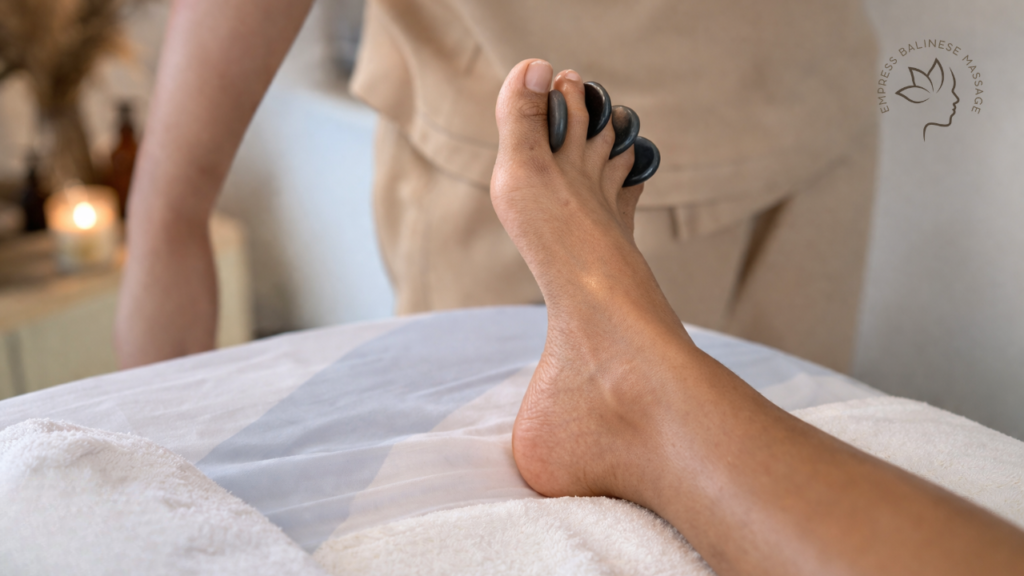
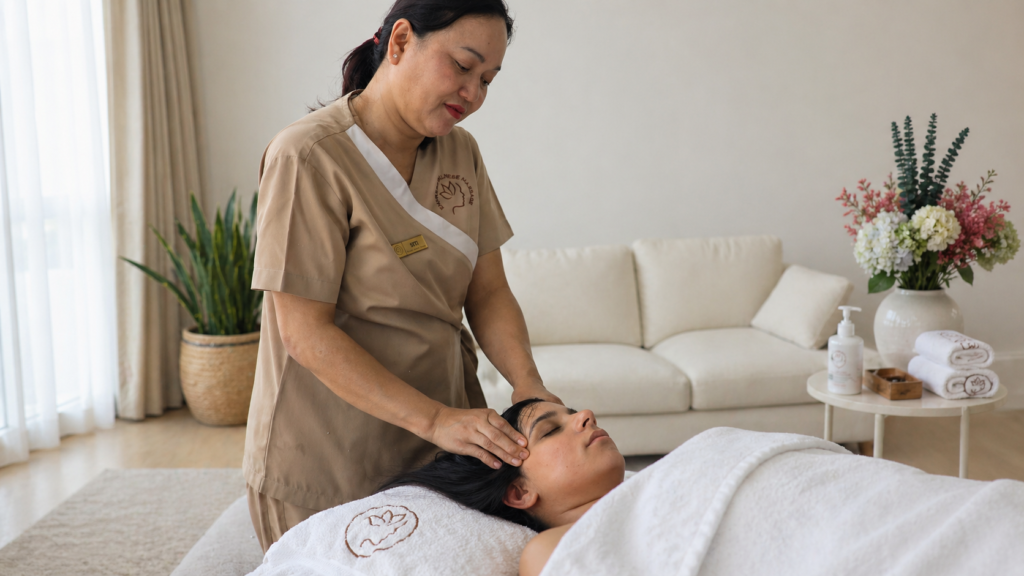
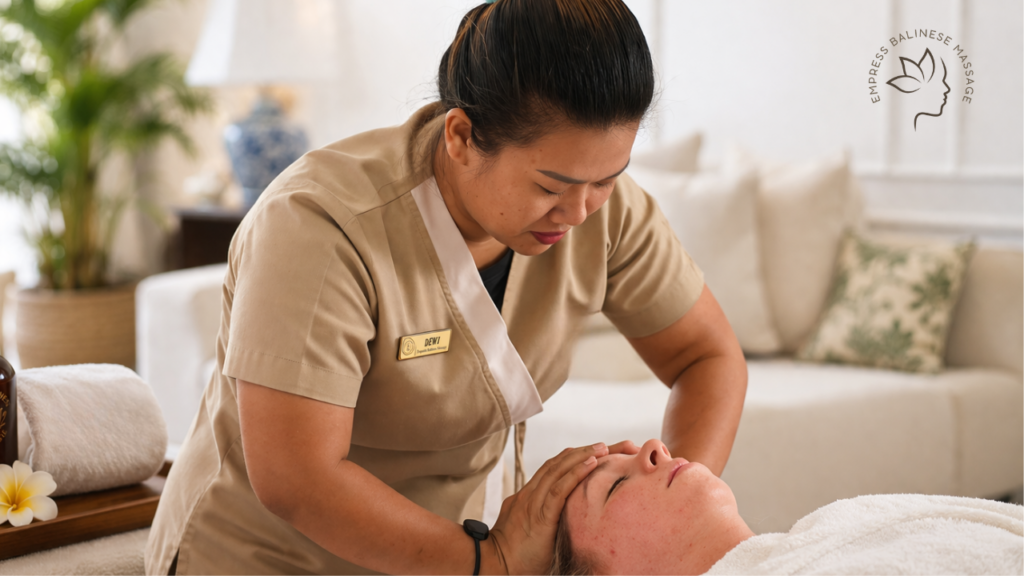
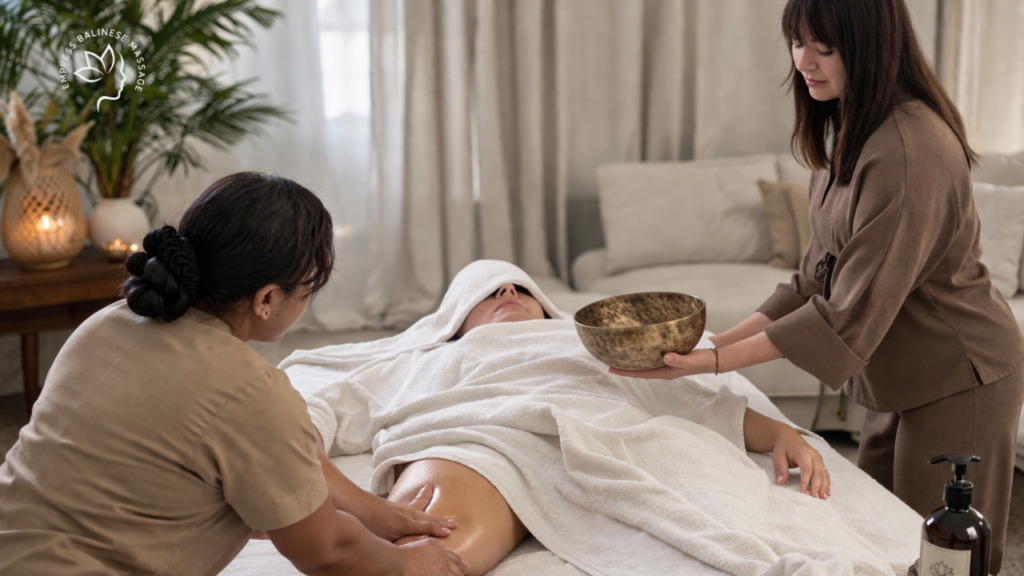
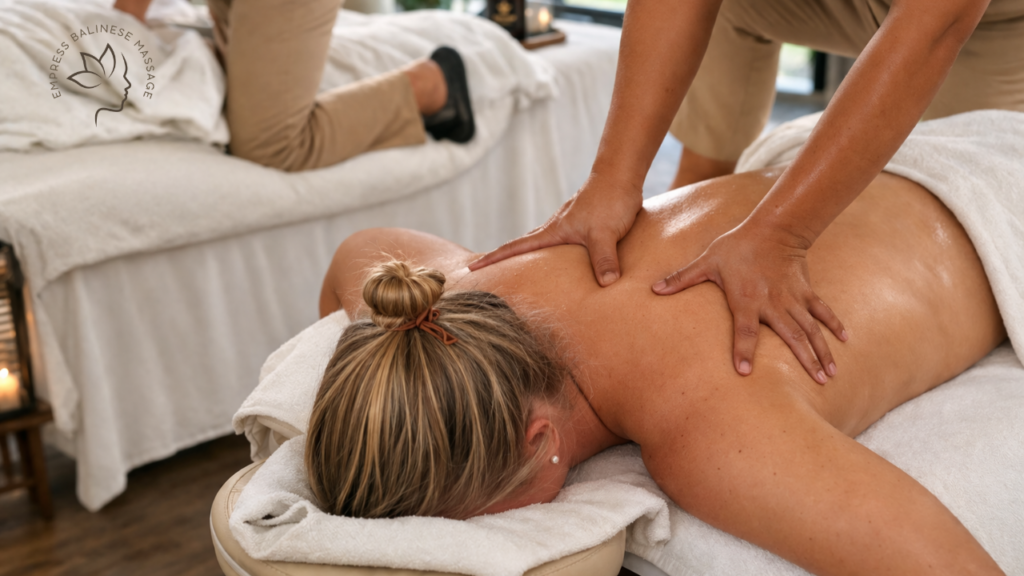
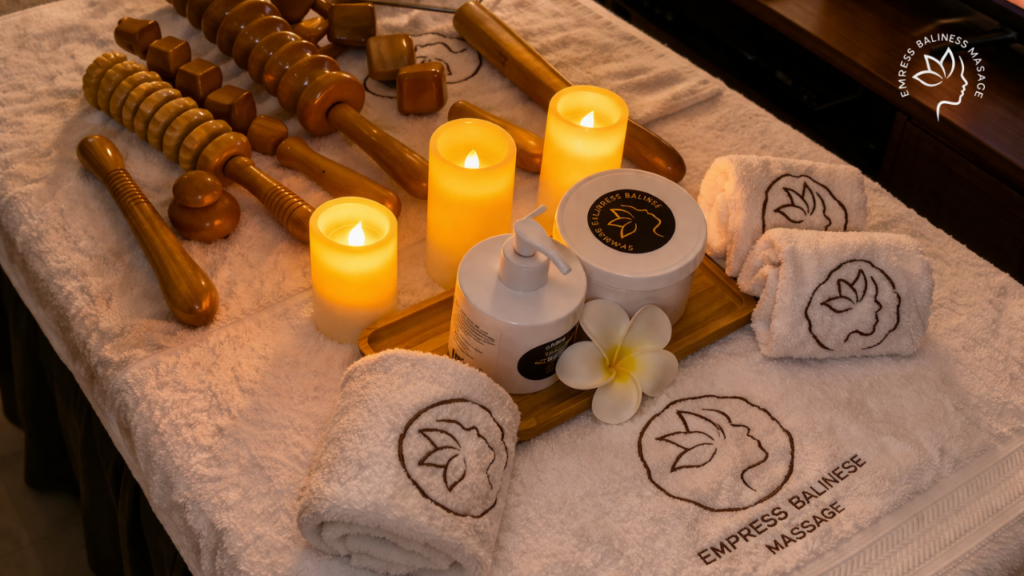
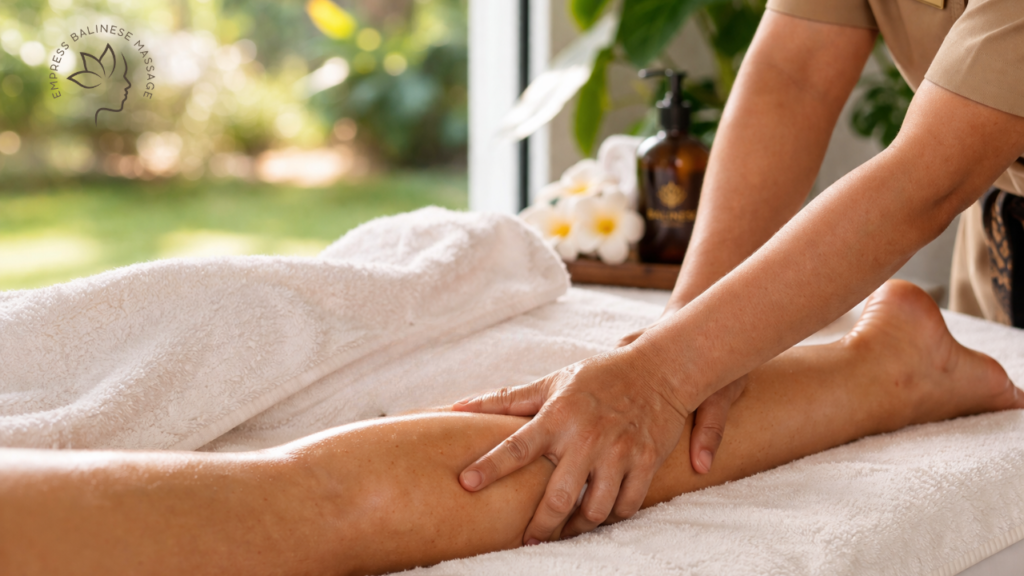
Massage oil can seem like a small detail, but it changes how a full-body massage actually feels. Oil helps the therapist’s hands move smoothly across the skin, reduces friction and allows long strokes to flow naturally from one area to another. That is why oil plays such an important role in treatments such as Balinese massage and Aromatherapy Massage. But does the type of oil matter? Yes — mostly because of glide, warmth, scent and personal preference. What Are the Main Oil Massage Benefits? The first benefit is simple: glide. Without enough oil, long massage movements can drag across the skin and interrupt the rhythm of the treatment. With the right amount, the therapist can move smoothly across areas such as the back, legs and arms. Oil also helps the therapist transition more naturally between different types of pressure. She can move from broad, relaxing strokes into firmer kneading and then back again without the massage feeling rough or disconnected. For clients who enjoy scented oils, fragrance can also add another sensory layer to the treatment. Does the Type of Massage Oil Matter? It can. At Empress, oil options include lavender, lemongrass, jasmine and pure unscented oil, depending on the treatment and the client’s preference. Some clients already know exactly which scent they enjoy. Others prefer something neutral. Lavender has a softer, familiar spa character. Lemongrass feels fresher. Jasmine has a richer floral scent. None is automatically better than another. The right choice is the one that complements the massage and makes the treatment more enjoyable for you. What Is Aromatherapy Massage? At Empress, Aromatherapy Massage is a warm oil massage experience. The warmth changes how the oil feels on the skin, while the aroma becomes part of the overall sensory experience. The focus is not on claiming that a particular scent medically treats a condition. It is about combining massage, warmth and fragrance in a way that makes the treatment feel more relaxing and enjoyable. Why Is Unscented Oil Important? Not everybody wants fragrance. Some clients simply prefer a neutral massage experience, while others already know that strong scents are not something they enjoy. Empress also uses pure unscented oil for Prenatal Massage. If you prefer to avoid fragrance, tell the team when booking so the appropriate oil can be prepared for your treatment. A premium massage should be personalised around what makes you comfortable rather than assuming everyone wants the same scent. Is More Massage Oil Better? No. Too much oil can make the treatment overly slippery and make it harder for the therapist to control the massage movements and pressure. Too little oil can create unnecessary friction. A trained therapist uses enough oil to support the technique and adds more only when it is needed. The goal is not to use as much oil as possible. It is to use the right amount for the massage being performed. Why Is Oil Important in Balinese Massage? Oil is part of what gives Balinese massage its flowing feel. Balinese massage combines long movements, kneading, varied pressure and gentle stretching. The oil helps those techniques connect naturally so the massage feels continuous rather than like separate movements performed one after another. It also allows the therapist to adjust the pressure while maintaining the rhythm of the full-body treatment. If you enjoy oil-based massage with a balance of relaxation and muscular work, Balinese massage can be a natural choice. What If You Have Sensitive Skin or Prefer No Scent? Tell us before the massage. If you already know that you are sensitive to a particular fragrance or ingredient, let the Empress team know when booking. If you simply prefer no scent, choose the pure unscented option. The oil should support the massage experience, not become something you are distracted by throughout the treatment. Warm, Scented or Unscented? There is no single massage oil that suits everyone. Some clients love the warmth and fragrance of Aromatherapy Massage. Others prefer the familiar flow of Balinese massage. And some want a completely unscented treatment. Tell us what you enjoy and we can help you choose the treatment and oil option that suits your preference. You can also check our massage prices and session durations before booking. WhatsApp Empress on +971 55 133 0557 to book your massage and let us know your oil preference.
Oil Massage Benefits: Does the Type of Oil Matter? Read More »