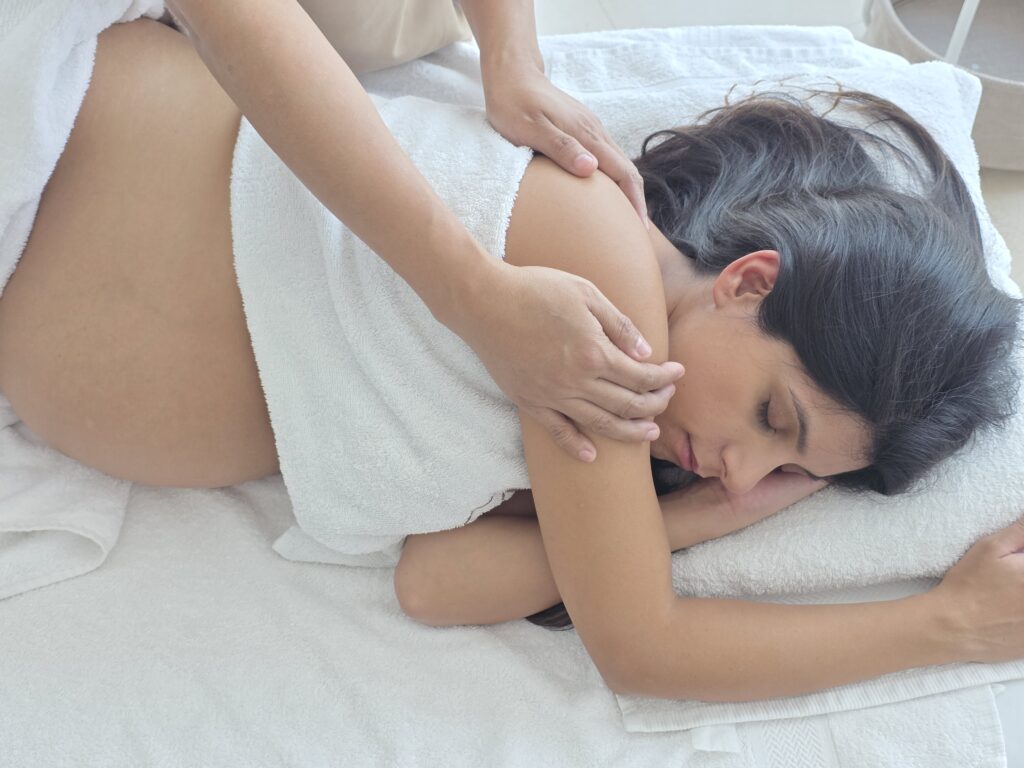
Prenatal Massage

Lomi Lomi Massage

What Is Lomi Lomi Massage? Techniques and Differences

Lomi Lomi massage is a traditional Hawaiian bodywork practice known for long, flowing and continuous massage movements. Therapists may use their hands and forearms to create broad strokes that move across different areas of the body in a connected rhythm. The word “lomi” is commonly understood to relate to rubbing, kneading or soothing touch. However, Lomi Lomi is more than one standard massage sequence. Its practice may vary between Hawaiian families, teachers and traditions. Modern wellness centres often present Lomi Lomi as an oil-based relaxation massage. Traditional forms may carry deeper cultural, spiritual and family significance, so the treatment should be described with respect rather than reduced to a spa trend. Clients who enjoy flowing massage but cannot find Lomi Lomi locally may consider Balinese massage Dubai, which offers its own combination of rhythmic movements, kneading, gentle stretching and personalised pressure. What Makes Lomi Lomi Massage Different? The most recognisable feature of Lomi Lomi massage is its continuous flow. Instead of treating the back, arms and legs as completely separate areas, the therapist may use long movements that connect one part of the body to another. Forearm techniques are often used to create broad contact without concentrating pressure into one small point. A Lomi Lomi-inspired session may include: Long, sweeping movements Rhythmic forearm techniques Hands-on kneading Continuous transitions between body areas Massage oil Gentle joint or body movement Pressure adapted to the client A calm and unhurried pace The client may experience several movements happening in a smooth sequence rather than waiting for one area to be completed before the therapist moves to the next. The aim is generally to create a sense of continuity, comfort and relaxation. Where Does Lomi Lomi Massage Come From? Lomi Lomi originates from Hawaiian healing and bodywork traditions. Different forms were historically practised within families and communities, and knowledge could be passed between generations. Techniques and purposes were not necessarily identical across every practitioner or lineage. This matters because Lomi Lomi should not be described as though there is one universal routine that represents all Hawaiian practice. Some modern versions focus mainly on flowing forearm massage. Traditional approaches may also be connected with cultural values, prayer, breath, family knowledge or broader wellbeing practices. A responsible wellness description should acknowledge these Hawaiian roots without making exaggerated spiritual claims or presenting cultural practices as decoration. What Does Lomi Lomi Massage Feel Like? Lomi Lomi often feels broad, rhythmic and deeply flowing. The therapist may use the forearms to move across larger muscular areas, then use the hands for more focused kneading or controlled pressure. Clients may notice: Long movements across the back Broad forearm contact Changes between light and firmer pressure Smooth transitions from one area to another A steady, almost wave-like rhythm Less emphasis on repeatedly pressing one point The experience should not feel rushed or mechanical. Although the movements may be continuous, the therapist should still pay attention to individual sensitivity, preferred pressure and areas the client does not want included. Flow should never replace communication. Why Are Forearms Commonly Used? The forearms allow the therapist to create broad pressure across larger areas. Compared with a fingertip or thumb, the forearm spreads contact over a wider surface. This can create a smooth and grounded sensation without concentrating all the pressure into one small point. Forearm movements may be used around suitable areas such as the: Back Shoulders Arms Legs Hips The therapist should maintain control at all times. Broad pressure can still feel too intense if the therapist uses excessive force or moves over a sensitive area. Clients should speak up if they experience sharp pain, numbness, burning or discomfort. Is Lomi Lomi a Full-Body Massage? Lomi Lomi is commonly presented as a full-body treatment because its flowing movements are designed to create continuity across the session. However, a full-body massage does not mean every area must receive equal time. The treatment should still be adapted according to: The client’s reason for booking Pressure preferences Sensitive areas Injuries or health concerns Personal boundaries Treatment duration Areas the client wants excluded A client may want a generally flowing treatment while requesting more attention around the shoulders or back. The therapist should explain the treatment and draping clearly before beginning, especially because some Lomi Lomi styles use broad movements across connected body areas. Is Oil Used During Lomi Lomi Massage? Yes, massage oil is commonly used in modern Lomi Lomi treatments. Oil helps the therapist’s hands and forearms move smoothly across the body without unnecessary friction. It supports the long, uninterrupted movements associated with the style. Before treatment, clients should mention: Skin allergies Fragrance sensitivity Recent skin treatments Rashes or irritation Personal scent preferences The oil should support the massage rather than make the client uncomfortable. A professional therapist should also use appropriate draping and explain which areas will be included before the massage starts. Does Lomi Lomi Massage Use Deep Pressure? Lomi Lomi can include varied pressure, but it is not defined by extreme intensity. Some movements may feel gentle and soothing, while others may use firmer forearm pressure around suitable muscular areas. The therapist should consider: The body area The client’s sensitivity Previous massage experience Health considerations Breathing and muscle response Verbal feedback A client should not need to tolerate pain to experience the flowing quality of the treatment. If the client begins holding their breath, tightening the body or moving away from contact, the therapist should reduce the pressure or change the technique. Lomi Lomi Massage Versus Balinese Massage Lomi Lomi and Balinese massage are both oil-based treatments that may feel rhythmic and connected. However, they come from different cultures and have distinct treatment characteristics. Cultural Origin Lomi Lomi comes from Hawaiian bodywork traditions. Balinese massage is influenced by traditional Indonesian massage practices. The cultural names should not be used interchangeably. Massage Flow Lomi Lomi is especially known for long, sweeping movements and the frequent use of the forearms. Balinese massage also includes flowing movements, but it may combine them more visibly

What Is Lomi Lomi Massage? Techniques and Differences Read More »

Prenatal Massage

Why Mothers Request the Same Prenatal Massage Therapist

Many expectant mothers request the same therapist for each prenatal massage Dubai appointment because familiarity can make the experience feel calmer, more personal and easier to trust. A returning therapist already understands the client’s preferred pressure, comfortable side-lying position, sensitive areas and how much pillow support she usually needs. She may also remember how the client responded during the previous session and which parts of the treatment felt most helpful. However, familiarity should never replace a fresh consultation. Pregnancy changes continuously, so even the same therapist must reassess comfort, symptoms and suitability before every appointment. At Empress Balinese Massage, clients may request the same therapist for future bookings, subject to availability. Trust Matters More During Pregnancy Massage requires a client to feel physically and emotionally comfortable. During pregnancy, that sense of trust can become even more important. The client may be more sensitive to touch, find certain positions difficult or feel unsure about what is appropriate. A therapist who has already provided a comfortable session may feel easier to welcome back into the home. The client already knows: How the therapist communicates How she sets up the equipment Whether she listens carefully How she checks pressure How she supports position changes Whether she respects silence and privacy How neatly she works in the home This familiarity can reduce the uncertainty that sometimes comes with meeting a new service provider. The Therapist Already Understands Previous Preferences A returning therapist may remember details from the earlier appointment, such as: Preferred shoulder pressure A sensitive hip or lower-back area Which side felt easier to lie on The pillow arrangement that worked well Fragrance preferences Areas the client preferred to avoid Whether the client enjoyed conversation or quiet How easily she changed position These details help the appointment begin smoothly. The therapist does not need to relearn every personal preference from the beginning. However, she should still ask whether anything has changed since the last massage. A preference remembered from three weeks ago may no longer feel suitable today. Pregnancy Changes Between Sessions Requesting the same therapist does not mean requesting the exact same treatment. As pregnancy progresses, the client’s body, movement and sensitivity may change. A client may need: More support beneath the abdomen A thicker pillow between the knees Less time on one side Gentler pressure around the legs Additional attention around the shoulders A slower pace More frequent position changes A shorter treatment duration The therapist should never assume that the previous setup can simply be repeated. A familiar therapist offers continuity, but good prenatal care still requires reassessment. Familiarity Can Improve Communication Clients do not always find it easy to explain what they need during massage. Some are hesitant to ask for less pressure because they do not want to appear difficult. Others may tolerate an uncomfortable position because they assume the therapist knows best. With a therapist they already trust, clients may feel more comfortable saying: “That pressure feels different today.” “I need more support under my leg.” “This side is not as comfortable.” “Can we spend less time on my lower back?” “I would prefer less fragrance.” “I need a short break.” This clearer communication helps the therapist adapt more effectively. The client should never feel that familiarity means she must accept the previous treatment without changes. The Therapist Notices Changes More Easily A returning therapist may notice subtle differences because she has seen how the client moved and responded during an earlier session. She may observe that: The client is walking more slowly One side now appears more sensitive Turning takes longer The shoulders are more guarded Breathing changes in a certain position More pillow support is needed The pressure tolerance has changed Swelling is more noticeable These observations are not used to diagnose a pregnancy condition. They help the therapist ask better questions and decide whether the treatment should be adapted or postponed. A therapist who knows the client’s previous comfort may be more likely to recognise when something feels different. Consistency Creates a More Relaxed Start The first part of a massage appointment often involves settling into the experience. When a familiar therapist arrives, the client already knows what to expect. The therapist knows where the treatment is usually set up and how to bring the equipment into the home with minimal disruption. This can make a home service massage Dubai appointment feel more effortless. The therapist may already understand: The best room for setup Building access requirements Parking instructions Where the table fits comfortably The preferred room temperature Household considerations The most convenient entrance The practical side of the appointment becomes easier, leaving more attention for the consultation and treatment. The Home Environment Feels More Personal Inviting a therapist into the home requires trust. A client may feel more comfortable allowing the same professional into her private space rather than meeting someone new at every booking. This is especially relevant for clients living in apartments, villas or hotels who value: Privacy Predictable service Respect for the home Familiar communication Minimal disruption Consistent professional boundaries A returning therapist should still arrive with the same level of professionalism each time. Familiarity should never lead to casual behaviour, rushed setup or weaker service standards. What Should Remain Consistent? Even though the massage changes, the service standards should remain dependable. Clients should expect: Clear booking communication Punctual arrival Clean uniform and presentation Professional massage equipment Freshly laundered linens Clean towels Appropriate draping Respectful communication Ongoing comfort checks Neat packing after treatment Luxury is built through consistency. The client should feel that the same level of preparation and care is delivered at every appointment, even when the treatment itself is different. Why the Same Therapist May Understand Pressure Better Pressure preferences can be difficult to describe using simple words such as light, medium or firm. One client’s idea of firm may feel moderate to someone else. Pregnancy can also change how pressure feels from one week to the next. A returning therapist may already understand: How slowly to

Why Mothers Request the Same Prenatal Massage Therapist Read More »

Prenatal Massage

Can Prenatal Massage Support Better Sleep in Pregnancy?

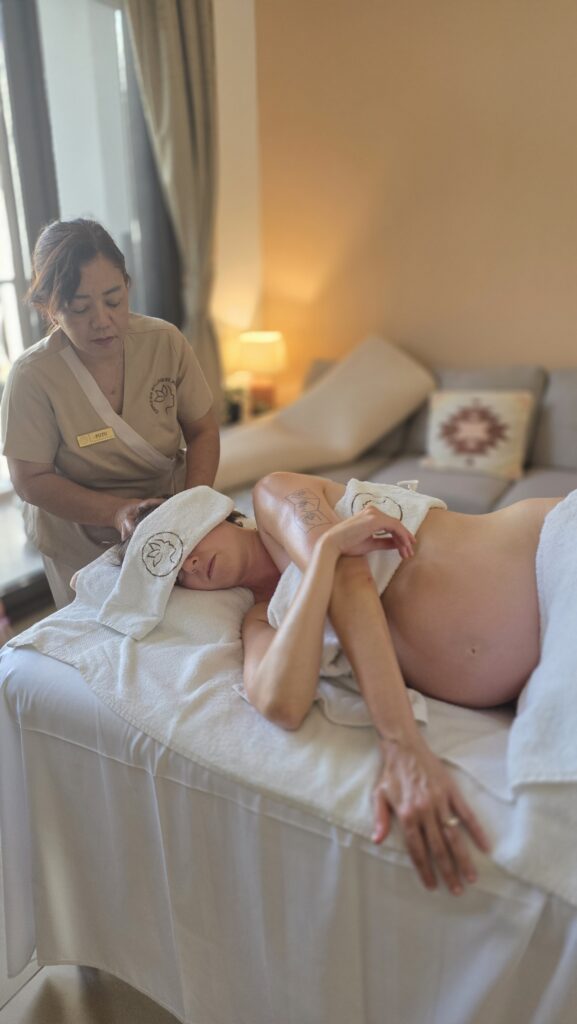
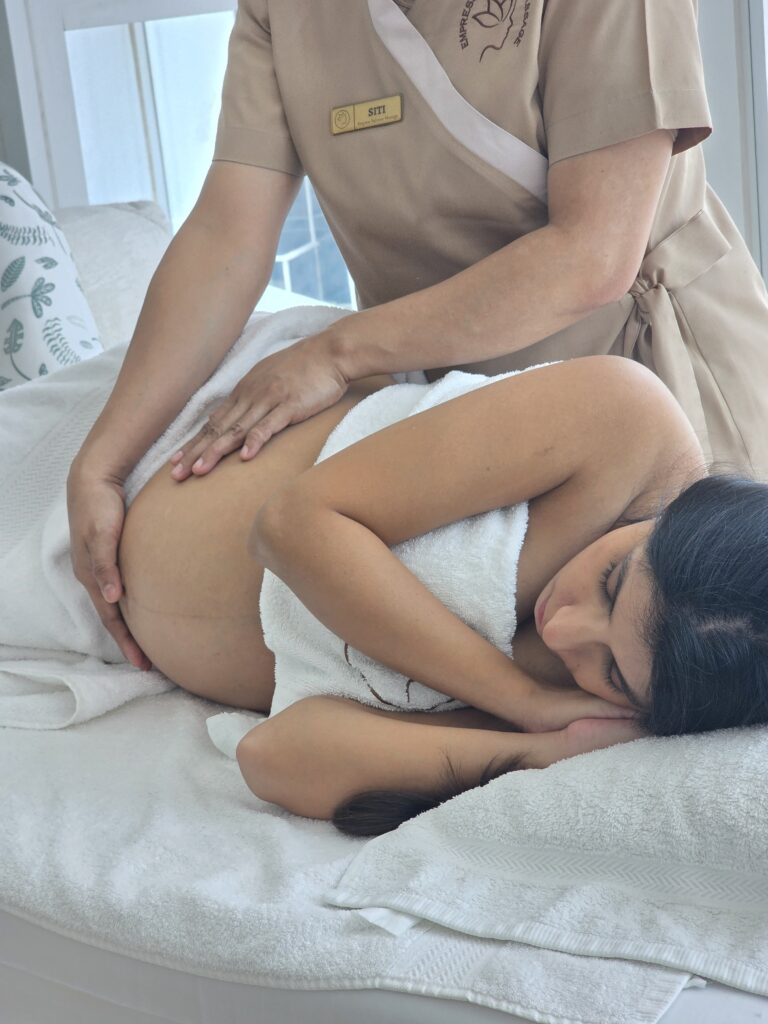
A personalised prenatal massage Dubai session may support better rest by helping an expectant mother feel calmer and more physically comfortable before bedtime. It may ease muscular tension and create an opportunity to mentally switch off, but it should not be presented as a cure for pregnancy insomnia. Sleep can become more difficult as pregnancy progresses. A growing abdomen may make lying down uncomfortable, while frequent bathroom visits, physical sensitivity and difficulty finding a supportive position can interrupt rest. At Empress Balinese Massage, prenatal massage is offered from 20 weeks onward. Each treatment is adapted around the client’s pregnancy stage, positioning needs, symptoms and comfort rather than following a fixed relaxation routine. Why Can Sleep Become Difficult During Pregnancy? Pregnancy sleep problems do not always have one clear cause. During the earlier weeks, hormonal changes and nausea may contribute to tiredness. Later in pregnancy, the growing abdomen, additional body weight and difficulty settling into a comfortable position may make uninterrupted rest harder. An expectant mother may also find herself waking because of: Lower-back or hip discomfort Tired or heavy legs Shoulder and neck tension Difficulty turning in bed Frequent bathroom visits Sensitivity to room temperature Worries about pregnancy or birth Difficulty mentally slowing down Massage cannot remove every reason for disrupted sleep. It may, however, support some of the surrounding factors, particularly muscular tension, physical restlessness and difficulty relaxing. How May Prenatal Massage Support Rest? Prenatal massage creates a dedicated period in which the client can stop moving, rest in a supported position and receive pressure personalised around her body. Research reviewing relaxation massage during pregnancy has reported possible benefits relating to stress, anxiety and back or leg discomfort in healthy pregnancies without complications. However, the evidence does not mean massage should be treated as a medical solution for insomnia or every pregnancy-related sleep problem. During an Empress session, the therapist may focus on suitable areas such as the: Back Shoulders Arms Hips Legs Feet The abdomen is not directly massaged, and hot stone massage is avoided throughout pregnancy. The aim is to help the client feel more settled and physically comfortable, not to guarantee that she will sleep through the night. Comfort Comes Before Pressure A massage intended to support relaxation should not leave the client bracing against painful pressure. Some pregnant clients request firm work because back, hip or shoulder tension has been affecting their ability to settle at night. Focused pressure may be appropriate in certain areas, but deeper does not automatically mean more relaxing. The therapist begins by asking: Which areas feel uncomfortable at night? Which sleeping position currently feels easiest? Does discomfort appear when turning? Are the hips, back or shoulders particularly sensitive? Does either leg feel painful, hot or unusually swollen? Has a doctor or midwife provided any relevant advice? Pressure is then adjusted by body area. The shoulders may tolerate slower, more focused work, while the lower back or legs may require a gentler approach. If the client begins holding her breath, tightening her muscles or moving away from the therapist’s hands, the pressure is changed. A client who is fighting the pressure is unlikely to feel ready for rest afterward. Supported Side-Lying Helps the Body Settle Empress performs prenatal massage predominantly in a supported side-lying position. A Doomoo pregnancy pillow and additional pillows may be arranged around the abdomen, back, head, shoulders and legs. The therapist checks that the client is not holding herself in place or allowing the upper leg to pull uncomfortably through the hip and lower back. NHS guidance recommends going to sleep on either side after 28 weeks and suggests supporting the abdomen with pillows and placing a pillow between the knees. The massage setup is not intended to prescribe a sleeping position. However, it may help the client notice how thoughtful pillow placement changes her comfort. For example: Support beneath the abdomen may reduce a pulling sensation. A pillow between the knees may help the upper leg feel more stable. Support behind the back may prevent the client from feeling as though she is rolling. The correct head-pillow height may reduce neck and shoulder strain. The therapist adjusts the arrangement according to the client rather than following one standard setup. What Does the Therapist Notice During the Session? An experienced prenatal therapist pays attention to how easily the client relaxes into the table. She may notice: Shoulders remaining lifted towards the ears The lower back tightening during position changes One hip rotating forward Shallow breathing when pressure increases Restlessness in the legs Difficulty allowing the head to rest One side feeling less comfortable than the other These observations are not used to diagnose a sleep disorder or pregnancy condition. They help the therapist decide whether to change the pillows, reduce the pressure, slow the massage or spend more time around a suitable area. The client may arrive expecting attention only on her lower back, while the therapist notices that neck and shoulder tension is making it difficult for her whole upper body to settle. A personalised massage considers these connected patterns without claiming to identify the medical cause. Why Home Massage Can Support a Calmer Evening The hours after a massage can matter as much as the treatment itself. Travelling through Dubai traffic, searching for parking or waiting for transport may interrupt the calm created during a spa appointment. With a home massage, the client can remain in her own space after the therapist leaves. For an Empress home appointment, the therapist brings: A professional massage table Freshly laundered linens Clean towels Suitable massage oil A Doomoo pregnancy pillow Additional support pillows The therapist arrives approximately 10 to 15 minutes early to complete the consultation and prepare the room without rushing. Afterward, the equipment is packed neatly and quietly. The client can change into comfortable clothing, continue resting or begin her usual bedtime routine without another journey. Massage does not guarantee sleep, but removing post-treatment travel can help preserve the feeling of calm. Is an Evening

Can Prenatal Massage Support Better Sleep in Pregnancy? Read More »

Prenatal Therapists

What Prenatal Therapists Notice First During Massage

Before a prenatal massage Dubai session begins, an experienced therapist is already paying attention. She may notice how the client walks into the room, lowers herself into a chair, turns to one side or protects her lower back while moving. She may also observe whether one shoulder sits higher, whether breathing appears shallow or whether the moving. She may also observe whether one shoulder sits higher, whether breathing appears shallow or whether the moving. She may also observe whether one shoulder sits higher, whether breathing appears shallow or whether the client seems uncomfortable before she says anything. These observations are not used to diagnose a medical condition. They help the therapist understand how the client is feeling and how the massage should be prepared. At Empress Balinese Massage, prenatal treatment is not based on a memorised sequence. The therapist combines the consultation with practical observation to personalise positioning, pressure, pillow support and the areas that receive the most attention. Observation Begins Before the Massage Table Is Ready For a home service massage Dubai appointment, the therapist usually arrives approximately 10 to 15 minutes early. This time allows her to bring in the equipment, choose a suitable treatment space and speak with the client without rushing. It also gives the therapist an opportunity to notice how the client moves naturally with the client without rushing. It also gives the therapist an opportunity to notice how the client moves naturally with the client without rushing. It also gives the therapist an opportunity to notice how the client moves naturally. A client may describe herself as feeling generally fine but still move carefully when turning. She may place one hand on her lower back when standing or shift more weight onto one leg. These small details can influence how the session is arranged. The therapist may decide to: Add extra support behind the back Place a pillow beneath the upper leg Allow more time for position changes Begin with gentler pressure Spend more time around the shoulders or hips Avoid keeping the client in one position for too long The preparation is shaped around the person, not only around the booking notes. How the Client Walks One of the first things a prenatal therapist may notice is how the client walks. Pregnancy can affect balance, stride and how weight is distributed. Some clients may take shorter steps. Others may place more weight on one side or move carefully because an area feels sensitive. The therapist is not assessing the walk to identify a condition. She is looking for clues about comfort and support. For example, if the client appears to protect one hip while walking, the therapist may pay additional attention to how that side is supported on the massage table. If she moves slowly or seems unsteady, the therapist should also avoid rushingsteady, the therapist should also avoid rushing her when getting onto or off the table. How the Client Sits and Stands Sitting down and standing up can reveal where the client needs extra support. The therapist may notice whether the client: Uses her hands to push herself up Leans heavily to one side Moves slowly through the lower back Keeps one leg positioned differently Pauses before standing fully Holds the abdomen or lower back for support These observations help the therapist plan the transition onto the massage table. A client who finds standing difficult may need the table adjusted to a more suitable height. She may also require more time when changing sides during the treatment. Professional care includes making these movements feel calm and manageable rather than treating them as an interruption to the massage. Shoulder Position and Upper-Body Tension Many clients mention shoulder or upper-back tension during pregnancy. Before touching the area, the therapist may notice whether one shoulder rests higher, whether the client rounds her upper back or whether she holds her arms close to her body. The therapist may also observe how freely the client turns her head and whether she appears to carry tension around the jaw or neck. These signs can help shape the pressure and sequence. The therapist may begin with broader, slower movements before using more focused pressure. If the muscles remain guarded, increasing the intensity may not be helpful. Sometimes the body needs more support and time before it is ready for deeper work. Breathing Patterns Breathing is one of the most useful non-verbal signs a therapist can observe. A client may say the pressure feels comfortable while holding her breath or taking shorter breaths. This may indicate that the pressure, position or pillow support needs to be changed. During prenatal massage, the therapist may notice whether the client: Breathes freely while resting Holds her breath when turning Takes shallow breaths when pressure increases Appears uncomfortable around the ribs or shoulders Relaxes more easily after the pillows are adjusted The therapist does not diagnose breathing changes. She uses the observation to check comfort. If breathing becomes difficult, unusual or accompanied by concerning symptoms, the treatment should stop and medical advice may be required. Muscle Guarding Muscle guarding happens when the body tightens or protects an area, sometimes before the therapist has applied much pressure. A client may tense her shoulder, tighten her upper leg or stiffen her lower back as the therapist approaches a sensitive area. This does not always mean that stronger pressure is needed. The therapist may instead: Reduce the pressure Slow down the technique Work around the area first Add more support Ask the client what she is feeling Return to the area later Avoid the area if it remains uncomfortable Prenatal massage should never become a test of how much pressure the client can tolerate. How Easily the Client Changes Position Empress performs prenatal massage predominantly in a supported side-lying position. Changing from one side to the other may require more time as pregnancy progresses. The therapist observes how easily the client turns and whether she needs help moving her legs, shoulders or support pillows. One

What Prenatal Therapists Notice First During Massage Read More »

Prenatal Massage

How Prenatal Massage Pressure Is Personalised in Dubai

Pressure during prenatal massage Dubai should never be selected once and applied in the same way across the entire body. Pregnancy can change how the muscles, joints and surrounding areas feel from one week to the next. A client may prefer focused pressure around her shoulders but need a much gentler approach around her lower back or legs. At Empress Balinese Massage, pressure is personalised according to the client’s pregnancy stage, the area being worked on, her comfort preferences and how her body responds during the session. The aim is not to provide the deepest possible massage. It is to create a controlled, comfortable treatment that supports relaxation without expecting the client to tolerate pain. What Does Personalised Massage Pressure Mean? Personalised pressure means the therapist does not follow a fixed “light, medium or firm” setting for the full appointment. Instead, the therapist adapts the intensity throughout the massage. Pressure may change according to: The client’s pregnancy stage The area being massaged Current sensitivity or discomfort Swelling or circulation concerns The client’s supported position Previous massage experience Verbal feedback Breathing and muscle tension Advice from a maternity healthcare provider The pressure used around the shoulders may be different from the pressure applied to the hips, back, arms or feet. Even within one area, the therapist may begin gently and slowly adjust the intensity after observing how the client responds. The Consultation Shapes the Pressure Every Empress prenatal massage begins with a consultation. Before treatment, the therapist asks about the client’s current week of pregnancy, areas of discomfort and preferred massage pressure. She may also ask whether there are any health concerns, unusual symptoms or instructions from a doctor or midwife. The client should mention if she has experienced: Severe or unusual swelling Significant varicose veins High blood pressure Placenta-related concerns A blood-clotting condition Pain, redness or unusual warmth in one leg Active or unexplained bleeding A pregnancy classified as high risk These details can affect whether certain areas should be avoided, treated more gently or not massaged at all. Pain, swelling, warmth or redness affecting one leg can be associated with a blood clot and requires medical assessment rather than massage. The therapist does not diagnose symptoms. Her role is to recognise when massage may be unsuitable and recommend that the client seek appropriate medical guidance. Why Firm Pressure Is Not Used Everywhere Some clients assume that firmer pressure will automatically provide a better massage. That is not always the case, particularly during pregnancy. Pressure must be appropriate for the body area being treated. A level that feels comfortable around the upper back may not be suitable for the legs or another sensitive area. The therapist considers: How much tissue covers the area Whether the area feels tender or sensitive How the client is positioned Whether the muscles are relaxing or resisting Whether the client can breathe comfortably How the client describes the sensation A professional therapist does not continue increasing pressure simply because the client originally requested a firm massage. Preferences matter, but the therapist must also respond to what is happening during the treatment. How Does the Therapist Know When Pressure Is Too Strong? The client’s words are important, but they are not the therapist’s only source of information. Some clients remain quiet because they do not want to interrupt the treatment. Others assume that massage is supposed to hurt. An experienced therapist watches for non-verbal signs that the pressure may be too intense. These may include: Holding the breath Tightening the shoulders Clenching the hands Moving away from the therapist’s touch Protecting the lower back Tensing the upper leg Becoming restless Struggling to settle into the pillows If these reactions appear, the therapist may reduce the pressure, slow the movement, change the technique or reposition the client. The purpose of prenatal massage is not to test pain tolerance. The client should be able to remain comfortable and communicate throughout the session.   How Pressure Is Adjusted Around the Back and Shoulders The shoulders and upper back are common areas where pregnant clients request more focused attention. Changes in posture, sleep position and daily movement may leave these areas feeling tired or tense. Some clients may enjoy controlled, firmer pressure around the shoulders, while others find the same intensity uncomfortable. Before applying more pressure, the therapist may observe: Whether one shoulder sits higher Whether the client protects one side How freely she moves her neck Whether her breathing changes when the area is touched Whether the muscles soften or tighten under pressure The therapist may use slower, more focused movements where appropriate. However, deeper does not always mean better. If an area continues to resist, applying more force may make it harder for the client to relax. The therapist may instead work around the area, adjust the position or return to it later in the session. How Pressure Is Adapted Around the Lower Back and Hips Lower-back and hip discomfort can be influenced by posture, positioning and changes in how a client walks or distributes her weight. The therapist does not diagnose the cause of the discomfort. She observes how the client moves and uses this information to shape the massage. For example, the therapist may notice that the client: Places more weight on one side Moves carefully when turning Uses her hands to support her lower back Allows one hip to rotate forward Finds one side-lying position more comfortable Pillow support is adjusted before pressure is increased. If the client is not properly supported, even gentle pressure may feel uncomfortable. Once the abdomen, back and upper leg are supported, the therapist can assess which movements feel appropriate. Why the Legs Require Additional Care The legs may feel tired or heavy during pregnancy, but they should not automatically receive strong pressure. The therapist first checks whether there is unusual swelling, redness, warmth, tenderness or a known blood-clotting concern. If there is a suspected blood clot or another symptom requiring medical assessment, massage should not proceed over the

How Prenatal Massage Pressure Is Personalised in Dubai Read More »

Prenatal Massage Dubai

Prenatal Massage at Home Dubai: Why It’s Becoming a Preferred Choice in Dubai

There is a reason more women in Dubai are choosing care that comes to them. Pregnancy already changes enough. Your back feels heavier by evening, your hips need more support, and even a simple outing can feel bigger than it used to. That is exactly why prenatal massage at home Dubai is becoming such a preferred option. It offers comfort in the place where your body already wants to be, home. For many expecting mothers, that one shift changes everything. If you want to explore the available services first, you can explore our massage services. Dubai life makes home-based care feel more practical Dubai is a city where everyday life often includes movement. Tower access, parking, lifts, traffic, longer drives, busy schedules, and late afternoons that already feel full before the evening even starts. During pregnancy, all of that feels more noticeable. A short trip can leave the lower back more tired. Sitting in the car can make the hips feel tighter. Even getting ready to go out can feel like more effort than the body wants to give. That is one of the biggest reasons prenatal massage at home Dubai is becoming more popular. It removes the part of wellness that feels least relaxing, the getting there and getting back. With home massage, the support begins where your comfort already lives. Women are choosing comfort that feels real, not performative A spa may still sound beautiful in theory. But during pregnancy, what feels luxurious changes. It is no longer only about a polished treatment room or a hotel setting. It becomes about not having to push your body any harder than necessary. It becomes about privacy, softness, and being able to rest without interruption once the massage ends. That is why massage at home feels so appealing to expecting mothers in Dubai. The treatment is not separated from your actual comfort. It happens inside it. Field insight: many women say the biggest relief is not only the massage itself. It is knowing they do not have to sit in traffic once their body has finally started to relax. Prenatal massage feels better when the body stays in one environment Pregnancy can make the body more sensitive to everything around it. Room temperature. Noise. Movement. Sitting positions. Public spaces. Even a beautiful spa can still feel like somewhere your body has to adjust itself before it can truly let go. At home, that adjustment disappears. With prenatal massage at home Dubai, your body is already in a familiar setting. Your bedroom or living room already feels known. Your nervous system does not have to adapt to a new environment first. That usually means the body softens faster and the treatment feels more effective from the beginning. That is a major reason it is becoming the preferred choice in Dubai. It feels easier to receive. It fits the way pregnancy actually feels This is important. Pregnancy rarely feels dramatic all at once. It usually feels like a slow build-up of smaller things. A lower back that gets tired earlier than it used to. Hips that need more adjustment when you sit down. Legs that feel heavier by evening. Shoulders that stay tense because sleep is no longer simple. A good prenatal massage at home Dubai session fits that reality. It does not ask the body to turn the treatment into a full outing. It meets the body exactly where the discomfort is happening, in the middle of real life. That is one reason massage at home feels more aligned with pregnancy than spa visits do for many women. It feels less like a special event and more like proper support. If you want to compare treatment options and pricing before booking, you can view our price List The after-feeling is a big reason women keep choosing it A lot of wellness decisions are made based on what happens after the treatment. This is where home sessions stand out. At a spa, the massage may be excellent, but the outside world comes back very quickly. You get dressed, leave the room, walk through the building, sit in the car, and deal with the journey home. At home, the massage ends and the calm stays. You can lie down immediately. Put your feet up. Take a shower. Drink water slowly. Move into a quiet evening. That uninterrupted after-feeling is one of the strongest reasons prenatal massage at home Dubai keeps becoming the preferred option. The benefit lasts longer because nothing interrupts it. Home massage feels more private and more personal Pregnancy can make privacy feel more valuable. A lot of women do not want a public waiting area, a formal reception, or the feeling of being out in the world while their body is already asking for quiet. They want support in a space that feels personal, calm, and easy. That is where home massage becomes much more than a convenience service. It feels more natural. More respectful of your energy. More in tune with what your body is asking for. And because the therapist is working around your space and your comfort, the whole session often feels more personal than a standard treatment outside the home. Dubai mothers want support that fits into routine, not outside it Another reason prenatal massage at home Dubai is becoming more popular is that it works with real schedules. Pregnancy does not pause workdays, errands, home routines, or family life. That is why services that fit naturally into ordinary evenings or weekends often feel more realistic than anything that needs extra travel and planning around it. With massage at home, women can choose a time that suits how their body usually feels. Some prefer late afternoon, when the back starts feeling tired. Others prefer evening, when the session can lead directly into rest. Some choose weekends, when they want the whole house to feel slower afterward. That flexibility is a big part of why home prenatal care is becoming the preferred choice in Dubai. It

Prenatal Massage at Home Dubai: Why It’s Becoming a Preferred Choice in Dubai Read More »

Prenatal Massage Dubai

Pregnancy Massage Dubai: How Home Massage Services Improve Overall Wellbeing

Pregnancy changes wellbeing in a very practical way. It is not only about whether you are in pain. It is about how your body feels across the whole day. How easily you move in the morning. How much pressure builds by late afternoon. How well you settle in the evening. How much your body still feels like your own, even while it is changing so quickly. That is exactly why more women are choosing pregnancy massage Dubai through professional home massage support. It is not only a relaxing service. It is a form of care that can improve how the whole week feels, physically, mentally, and emotionally. If you want to explore the available treatments first, you can start here:CLICK HERE  Overall wellbeing during pregnancy is built in small moments Most pregnancy discomfort does not arrive all at once. It builds slowly. Your lower back feels more tired by evening. Your hips need more adjusting when you sit down. Your shoulders hold more tension than they used to. Your legs feel heavier after a normal day. Sleep becomes less comfortable, and rest does not always feel as restorative as it should. That is why pregnancy massage Dubai matters beyond a single treatment hour. When the body feels more supported in those small daily moments, overall wellbeing improves in a very real way. Home massage removes effort before the care even begins One of the biggest reasons home massage helps wellbeing is simple. It removes unnecessary strain. During pregnancy, even a short outing can ask more from the body than expected. Getting ready, leaving the house, sitting in the car, walking through a building, then doing it all again on the way back can make a “wellness” treatment feel less relaxing than it should. With home-based massage services, the care happens where your body already feels safest. That means: no extra travel before the treatment no sitting upright in the car afterward no interruption once the body has started relaxing no extra energy spent just to receive support Field insight: many expecting mothers in Dubai say the biggest luxury is not the massage itself. It is not having to go anywhere for it. Better physical comfort improves everything else A lot of women think wellbeing is mostly emotional. During pregnancy, physical comfort often leads the way. When the back feels less loaded, the day feels easier. When the hips are less tight, movement feels smoother. When the shoulders stop carrying so much low-level tension, the mind feels less crowded too. When the legs feel lighter, even simple things like standing in the kitchen or walking around the home feel more manageable. This is one of the biggest ways pregnancy massage Dubai improves overall wellbeing. It does not only reduce one sore spot. It helps the whole body feel less effortful. If you want to compare session options and pricing before booking, you can view them here:CLICK HERE  Home massage supports nervous system calm Pregnancy can leave the body tired but still not fully relaxed. You may stop moving, but your body keeps holding tension. The shoulders stay slightly raised. The lower back keeps gripping. The hips never fully soften. Even lying down does not always feel like true rest. This is where home massage becomes more powerful than people expect. Because the treatment happens in a familiar environment, the nervous system usually calms down faster. You are not adjusting to a spa setting, a waiting room, or the low-level stimulation of being out in public. Your body is already in a space it knows. That is a major reason massage services at home often feel like they improve more than muscles. They improve how settled you feel overall. It becomes easier to stay consistent with self-care Overall wellbeing usually does not come from one perfect treatment. It comes from support that feels realistic enough to repeat. That is another reason pregnancy massage Dubai at home can make such a difference. It is easier to say yes to. Easier to fit into a real week. Easier to maintain without needing a full day of energy around it. Some women book after work, when the body starts feeling heavier. Others prefer evenings, so the massage leads naturally into rest. Some use weekends to create a softer rhythm in the home. Because home massage fits more naturally into life, it often becomes something women actually keep doing instead of postponing. Wellbeing improves when the after-feeling is protected This is one of the biggest differences between home and outside treatment. A massage may feel wonderful in the moment, but the hours afterward matter too. At home, once the session ends, you can stay in the calm. You can lie down, drink water slowly, put your feet up, shower, or move straight into a quieter evening. There is no traffic. No lift ride. No journey back. No sudden shift out of relaxation. That uninterrupted after-feeling is one of the strongest ways pregnancy massage Dubai improves overall wellbeing. The benefit does not stop at the edge of the massage table. It follows you into the rest of the night. If home treatment already sounds like the right fit, you can reserve your appointment here:CLICK HERE  A realistic example many mothers will recognize Imagine it is late afternoon in Dubai. You have not had a dramatic day. Just a normal one. But your lower back feels more tired than it did in the morning. Your hips are tighter. Your shoulders are still carrying the day. By evening, your whole body feels slightly fuller and less comfortable than it should. You book a pregnancy massage Dubai session through home-based massage services. The therapist arrives, sets up calmly, and the treatment begins in your own space. As the session moves through the back, hips, shoulders, and legs, your body starts letting go of the strain it has been carrying all day. When it ends, you stay home, rest, and let that comfort continue. That is how overall wellbeing improves.

Pregnancy Massage Dubai: How Home Massage Services Improve Overall Wellbeing Read More »

Certified Prenatal Massage Dubai

Gentle Pregnancy Massage Dubai: A Safer Alternative to Traditional Massage Services

Not every massage that feels good for the average body feels right during pregnancy. That is the difference many women notice the moment pregnancy becomes more physical. What once felt normal, firmer pressure, faster techniques, deeper work through tight areas, can suddenly feel like too much. The body becomes more sensitive, more protective, and much more aware of what feels supportive and what feels unnecessary. That is exactly why gentle pregnancy massage Dubai is becoming such an important option for expecting mothers. It offers relief in a way that feels safer, calmer, and more appropriate than many traditional massage services designed for non-pregnant clients. If you want to explore the available pregnancy-safe treatments first, you can start here:CLICK HERE  Why traditional massage services are not always the right fit during pregnancy Traditional massage services are usually designed around general muscle tension, stress, and physical fatigue. That works well when the body is not pregnant. But pregnancy changes the body in very specific ways. The lower back starts carrying more pressure. The hips adjust to weight shifts. The shoulders tighten from poor sleep and changing posture. The legs may feel heavier by evening even after an ordinary day. A treatment designed for a regular body does not always make sense for a pregnant one. That is where gentle pregnancy massage Dubai becomes a safer alternative. It is created around the kind of strain pregnancy actually causes, not the kind of tension a non-pregnant body usually carries. A safer alternative does not mean a weaker one This is one of the biggest misunderstandings. A lot of women hear the word gentle and assume it means too soft to help. In reality, gentleness during pregnancy is often what makes the treatment more effective. When the body is already working hard, strong or overly general massage can make the muscles tighten in response. A gentler prenatal approach helps the body stop defending itself and start relaxing properly. That is why gentle pregnancy massage Dubai often feels more relieving than traditional massage services. It is not trying to overpower discomfort. It is helping the body release it safely. Pregnancy needs support, not intensity The biggest reason pregnancy massage feels different is simple. The body needs support more than pressure. A proper prenatal session focuses on how the body is carrying the day. It considers how posture has changed, how the back is compensating, how the hips are holding tension, and how fatigue is affecting the whole system. A regular massage may focus mostly on knots and stiffness. A pregnancy-aware treatment looks at comfort more holistically. This is why gentle pregnancy massage Dubai feels safer. The session is built around helping you feel more stable, less burdened, and more comfortable in your body instead of simply trying to “work through” tension. If you want to compare session options and pricing before booking, you can check here:CLICK HERE  Positioning is one of the biggest differences Traditional massage services are not always designed with pregnancy positioning in mind. That matters more than people think. A pregnant body should not be left trying to stay comfortable during the treatment. If the hips are unsupported or the lower back is still holding strain, the whole session becomes less helpful. A gentle prenatal massage is usually adjusted with proper side support and enough cushioning to help the body fully relax. That is one of the reasons gentle pregnancy massage Dubai is a safer alternative to regular massage services. The body is supported first, then treated. Not the other way around. The pace feels different too A traditional massage may move faster, use firmer pressure, or follow a standard full-body routine. Pregnancy massage should feel more measured than that. The pace is often slower. The transitions feel calmer. The therapist allows the body time to settle before working more specifically through areas like the lower back, hips, shoulders, and legs. This slower rhythm matters because pregnancy tension is rarely just muscular. It often sits in the nervous system too. A good gentle pregnancy massage Dubai session helps the body feel safe enough to let go. That is a very different experience from simply being massaged. Why expecting mothers often choose it over regular massage Most women are not looking for something dramatic. They are looking for relief that feels right. They want their lower back to feel less loaded. Their hips to feel less tight. Their shoulders to stop carrying the whole day. Their body to soften without feeling pushed. That is exactly why gentle pregnancy massage Dubai keeps becoming the preferred choice. It matches what the pregnant body is actually asking for. Field insight: many expecting mothers in Dubai say they do not want “deep massage” during pregnancy. They want to feel lighter by evening and more comfortable in bed later. That is where gentler prenatal care often works best. A realistic example many women will recognize Imagine you are in your second or third trimester. You have had a completely normal day, but by evening your back feels heavier than it did in the morning. Your hips need more adjusting than usual. Your shoulders are holding tension you did not even notice until you sat down. A traditional massage might sound tempting if you are thinking only about tension. But what your body often needs more is gentle pregnancy massage Dubai, a treatment that supports you carefully, works with your body instead of against it, and helps you feel genuinely comfortable rather than overly worked on. That is why it feels like a safer alternative. The whole approach changes. Why home treatment makes the difference even clearer This matters especially in Dubai. Even a short outing can feel tiring during pregnancy. The drive, the building access, the waiting, and the trip home after the massage can take away part of the benefit. That is why many women choose pregnancy massage at home rather than booking traditional massage services outside. At home, the session stays softer from start to finish.

Gentle Pregnancy Massage Dubai: A Safer Alternative to Traditional Massage Services Read More »

Pregnancy Massage Dubai

 Prenatal Massage at Home Dubai: A Complete Guide to Safe and Comfortable Sessions

For many expecting mothers, home treatment sounds ideal. No travel. No waiting area. No drive back once the massage is over. But once you start thinking seriously about it, the questions become more specific. Is it actually safe? What makes it comfortable? What should the therapist bring? How do you know the session is being handled properly? And what should you expect before, during, and after the appointment? That is exactly why this guide matters. A good prenatal massage at home Dubai session should not only feel relaxing. It should feel safe, supportive, and clearly designed around pregnancy from beginning to end. If you want to explore the available services first, you can start here:CLICK HERE  Why home sessions feel so well suited to pregnancy Pregnancy changes what comfort means. Before pregnancy, leaving the house for a treatment may have felt simple. During pregnancy, the same outing can feel like extra effort your body no longer wants to give. The lift ride, the drive, the sitting upright, the return trip once your body has finally started to relax, all of it counts. That is why prenatal massage at home Dubai feels so practical for many women. The care happens where your body already feels safest. Field insight: many expecting mothers in Dubai say the biggest relief is not only the massage itself. It is knowing they do not have to spend energy getting to their relaxation. What makes a prenatal home session safe A home massage is not automatically safe just because it happens at home. Safety comes from how the session is designed. A proper safe pregnancy massage Dubai session should include: a therapist who understands prenatal care questions before the session begins supportive positioning with cushions pressure adapted to pregnancy a pace that feels calm and controlled focus on common pregnancy strain areas a setup that helps your body relax instead of brace That is what turns massage at home from simple convenience into real pregnancy support. What to expect before the therapist arrives A good session usually starts with very little effort on your side. You do not need to turn your room into a spa. You do not need a large house or a perfect setup. In most Dubai apartments, a bedroom or a quiet living room corner works well. Before the therapist arrives, it usually helps to: clear a small area for the setup keep the room comfortably cool, not cold wear something loose and easy have water nearby for after the session choose a time when you can rest afterward That is usually enough. The therapist should bring the setup and manage the rest professionally. If you want to compare timings and prices before booking, you can view them here:CLICK HERE  What a professional therapist should bring A proper prenatal massage at home Dubai session should feel complete, not casual. That usually means the therapist brings: a professional massage table clean linens and towels appropriate oils cushions or support pillows a calm, organized setup approach This matters because comfort during pregnancy is not only about touch. It is also about how supported and reassured your body feels before the massage even begins. A good massage at home service should make the process feel easier, not like you are hosting a complicated appointment. What should happen before the massage starts A trained prenatal therapist should not rush into the massage. There should be a short consultation first. That usually includes questions about: how many weeks pregnant you are where you feel the most discomfort whether your back, hips, shoulders, or legs are carrying the most strain how your body has been feeling lately what kind of pressure feels comfortable for you This part matters because no two pregnancies feel exactly the same. A good safe pregnancy massage Dubai session is built around your body now, not a standard routine. Why positioning matters so much This is one of the biggest differences between pregnancy massage and regular massage. During pregnancy, your body should never be left trying to stay comfortable on its own. If the position is wrong, the lower back keeps working, the hips stay guarded, and the shoulders do not fully let go. A proper prenatal massage at home Dubai session usually uses side-lying support with cushions to help the body feel stable and relaxed. That is often the first moment women feel real relief. Field insight: many expecting mothers say the body starts softening the moment the positioning feels right, even before the massage itself really begins. What the massage itself should feel like A safe prenatal session should feel calm, not intense. That does not mean it feels ineffective. It means the therapist uses measured pressure and supportive pacing instead of anything too deep or forceful. The goal is to help the body release tension, not challenge it. A good safe pregnancy massage Dubai treatment usually focuses on the areas carrying the most common pregnancy strain, such as: lower back hips shoulders upper back legs and feet The whole experience should feel like your body is being helped to let go, not pushed into doing it. Why home sessions often feel more comfortable than spa visits A spa can be beautiful, but a home session often feels better during pregnancy for one simple reason. The comfort does not stop when the treatment ends. With massage at home, you do not need to get up and travel back once your body is relaxed. You can stay where you are. Lie down. Put your feet up. Drink water slowly. Let the rest of the evening stay softer. That is one of the biggest reasons so many women prefer prenatal massage at home Dubai over spa-based treatment. The massage may be only one hour. The comfort often lasts much longer because nothing interrupts it. If home treatment already sounds like the right fit, you can reserve your appointment here:CLICK HERE  A realistic example of how the session should feel Imagine you are in your

 Prenatal Massage at Home Dubai: A Complete Guide to Safe and Comfortable Sessions Read More »

Pregnancy Massage Dubai

Pregnancy Massage Dubai: How Balinese Massage Influences Relaxation During Pregnancy

Pregnancy changes the way relaxation feels. Before pregnancy, you might have thought of relaxation as switching off for a while, sitting down, getting some rest, taking a break from work or routine. During pregnancy, it becomes more physical than that. It becomes about whether your back can soften, whether your hips can stop holding tension, whether your shoulders can finally drop, and whether your body can feel calm enough to fully let go. That is one reason pregnancy massage Dubai has become such a meaningful part of wellness for many expecting mothers. And when that massage experience is influenced by Balinese Massage, the feeling of relaxation can become even deeper, softer, and more complete. If you want to explore the available prenatal treatments first, you can start here: CLICK HERE  Why relaxation feels different during pregnancy Pregnancy does not only make the body tired. It can make the body feel constantly “on.” Your lower back may be doing more than usual. Your hips may feel slightly tighter by evening. Your legs may feel heavier after a normal day. Even when you finally stop moving, the body does not always stop holding. That is why many women look for pregnancy massage Dubai not only for pain relief, but for the kind of relaxation that feels full-body and real. This is where the influence of Balinese Massage becomes especially interesting. It is known for flowing movements, grounded rhythm, and a treatment style that helps the whole body slow down, not just one tense area. Balinese Massage influences the feeling of the session It is important to understand this clearly. During pregnancy, the goal is not to perform a standard Balinese massage exactly as it would be done for a non-pregnant body. The goal is to bring in the relaxing qualities of Balinese Massage in a way that suits pregnancy properly. That usually means the influence shows up in: the slower rhythm of the massage the flowing transitions from one area to another the calming, full-body feel of the treatment the way the body is guided into relaxation gradually This is one reason pregnancy massage Dubai can feel so different when it draws from Balinese-inspired relaxation. It does not feel abrupt, rushed, or mechanical. It feels smoother and more immersive. The rhythm helps the nervous system settle A lot of tension during pregnancy is not only muscular. It is nervous system tension too. You can feel tired, but still not feel calm. You can lie down, but still feel like your body is quietly holding itself together. One of the most powerful influences of Balinese Massage is rhythm. The long, continuous flow of touch often helps the body stop anticipating pressure and start relaxing into it. That makes a big difference during pregnancy, when the body can become more protective and more sensitive than usual. A well-delivered pregnancy massage Dubai session with this kind of influence can help: breathing slow down shoulders soften the lower back feel less guarded the whole body feel less physically crowded If you want to compare session timings and pricing before booking, you can view them here: CLICK HERE  Flow matters more than people think A lot of massages feel like separate parts. Back first. Then shoulders. Then legs. What many women love about the influence of Balinese Massage is that it often feels more connected than that. The treatment flows. One movement leads naturally into the next. That matters because pregnancy tension also tends to be connected. A tired lower back often comes with tighter hips. Tight hips often affect how the legs feel. Poor sleep can show up in the shoulders and upper back. Everything is linked. That is why pregnancy massage Dubai can feel more deeply relaxing when the treatment has that Balinese-inspired flow. Instead of attacking one problem at a time, it helps the whole body soften together. Relaxation during pregnancy is often about feeling emotionally lighter too This is another quiet but important part of the experience. Pregnancy discomfort is physical, yes. But it can also make the mind feel busier. When the body is never fully comfortable, there is always a small part of your attention staying with it. Adjusting. Managing. Coping. That is why the softer, more grounding side of Balinese Massage can feel so helpful in prenatal care. It creates a more complete sense of ease. You are not only less tense. You feel less mentally crowded too. Field insight: many expecting mothers describe the best sessions as the ones where they stop “managing” their body for a while. That is often what a calmer, more flowing massage style allows. Why home sessions make this kind of relaxation even better The influence of Balinese Massage becomes even more powerful when the session happens at home. Why? Because the treatment is not interrupted by travel, public spaces, or the effort of getting back afterward. The body can move from tension into calm without another layer of stimulation in between. With pregnancy massage Dubai at home: your body stays in a familiar environment the session feels more private and personal the calm lasts longer after the treatment you can rest immediately once it ends In Dubai, this matters a lot. Even short trips can feel tiring during pregnancy. Home treatment protects the relaxed feeling instead of making your body work to keep it. If home comfort already feels like the right fit, you can reserve your appointment here: CLICK HERE  A realistic example many mothers will recognise Imagine you are in your second or third trimester. By evening, your lower back feels more tired than it did in the morning. Your hips need more adjusting than usual. Your shoulders are carrying low-level tension from the day. You are not only tired. You feel physically full. You book a pregnancy massage Dubai session at home. The therapist begins with slow, steady, pregnancy-appropriate work. The treatment does not feel rushed. The flow is calm, almost meditative. Your breathing deepens. Your body stops bracing.

Pregnancy Massage Dubai: How Balinese Massage Influences Relaxation During Pregnancy Read More »