
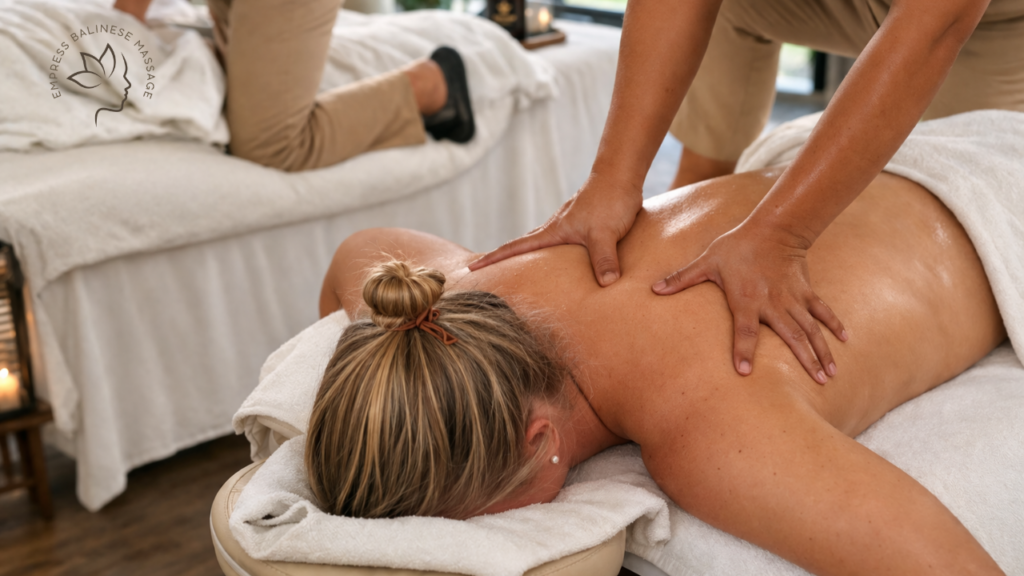
What Is Balinese Massage?
Balinese massage is a flowing, full-body treatment influenced by traditional Indonesian massage practices. It may combine rhythmic movements, kneading, gentle stretching and varied pressure to support relaxation and muscular comfort.
Unlike a rigid treatment that follows the same sequence for everyone, Balinese massage can be adapted around the client’s pressure preferences, sensitive areas and reason for booking.
During a professional Balinese massage Dubai appointment, the therapist may move between broad, calming techniques and more focused work where the body feels tense. The experience should feel connected and balanced rather than like separate areas being treated without consideration for the rest of the body.
What Makes Balinese Massage Different?
Balinese massage is often recognised by its continuous rhythm.
The therapist may use long movements to connect different areas of the body, then slow down around muscles that need more focused attention. Kneading and gentle stretching may also be included where appropriate.
The treatment may involve:
- Flowing full-body movements
- Rhythmic massage techniques
- Kneading around suitable muscular areas
- Gentle stretching
- Light, medium or focused pressure
- Massage oil to support smooth movement
- A treatment sequence adapted around the client
The exact combination depends on the therapist’s approach and the client’s comfort.
Balinese massage should not feel like a performance of as many techniques as possible. The movements should work together to create a calm and personalised experience.
Is Balinese Massage a Full-Body Massage?
Balinese massage is commonly provided as a full-body treatment, but this does not mean every area must receive equal time.
Before beginning, the therapist asks what the client wants from the appointment.
One person may want general relaxation after a demanding week. Another may want more attention around the shoulders, back or legs while still enjoying the flow of a full-body massage.
Suitable treatment areas may include the:
- Back
- Shoulders
- Neck
- Arms and hands
- Legs
- Feet
The treatment plan can be adapted around personal preferences, sensitivity and any areas that should be avoided.
A personalised massage is not measured by how many body areas are covered. It is shaped by how thoughtfully the available treatment time is used.
How Much Pressure Is Used?
There is no single pressure level that defines Balinese massage.
The treatment may feel gentle and flowing in some areas and slower or more focused in others. Pressure should be discussed before the massage and adjusted throughout the appointment.
The therapist may consider:
- The client’s preferred pressure
- Previous massage experience
- Muscular sensitivity
- Areas of persistent tension
- The technique being used
- Breathing and muscle response
- Injuries or health considerations
A client may request firm pressure, but deeper is not automatically better.
If the body begins tightening, the client holds their breath or pressure feels sharp, the therapist should adapt. Strong massage does not need to be painful to feel focused.
What Does Balinese Massage Feel Like?
A Balinese massage often begins with broad contact that allows the therapist to understand how the body responds.
The treatment may gradually move into more focused kneading, stretching or pressure around suitable areas. The therapist may then return to longer movements to keep the massage feeling connected.
Clients may notice a combination of:
- Slow and calming movements
- Rhythmic pressure
- Focused attention around tired muscles
- Gentle assisted stretches
- Changes in pressure from one area to another
- A sense of continuity across the treatment
The massage should not feel rushed or mechanical.
An experienced therapist observes whether the muscles are relaxing, whether one side feels more sensitive and whether the client remains comfortable as pressure changes.
What Does the Therapist Notice Before Starting?
Personalisation begins before the client lies on the massage table.
The therapist may notice how the client walks, sits or moves the shoulders. She may observe whether one side appears guarded or whether the client protects a particular area while changing position.
These observations are not used to diagnose a medical condition.
They help the therapist decide:
- Where to begin
- Which areas may need more time
- Whether additional pillow support is required
- How gradually pressure should increase
- Which movements may feel uncomfortable
- Whether the original treatment plan needs to change
The client may mention shoulder tension, while the therapist also notices that the upper back and arms appear guarded. This can lead to a more balanced treatment than repeatedly pressing the single area identified as painful.
Balinese Massage Versus Deep Tissue Massage
Balinese and deep tissue massage may both include focused pressure, but they are not the same experience.
Deep tissue massage generally uses slower and more concentrated pressure around areas of persistent muscular tension. It may spend longer working on selected parts of the body.
Balinese massage usually maintains a more flowing, full-body rhythm. Focused pressure can still be included, but it sits within a broader and more connected treatment.
Balinese massage may suit someone who wants:
- Relaxation with personalised pressure
- A flowing full-body experience
- Gentle stretching
- Focused attention without losing the overall rhythm
Deep tissue massage may appeal more to someone who wants slower, targeted work around particular muscular areas.
The better choice depends on your preferences, sensitivity and reason for booking. The Empress team can help you choose when you are uncertain.
Balinese Massage Versus Aromatherapy Massage
Both treatments can feel calming, but the focus is different.
Aromatherapy massage combines massage techniques with carefully selected aromatic oils where suitable. The scent and sensory atmosphere form a central part of the experience.
Balinese massage is defined more by its flowing techniques, kneading, stretching and varied pressure.
Aromatic oil may still be used during a Balinese massage, but the treatment should not automatically be described as aromatherapy. Clients with fragrance sensitivity should explain their preferences before the session begins.
The oil, scent and pressure should support comfort rather than distract from it.
Who May Enjoy Balinese Massage?
Balinese massage may suit clients who want a treatment that balances relaxation with attention to muscular tension.
It may appeal to:
- Busy professionals who feel physically and mentally tired
- Clients who enjoy full-body massage
- People who prefer pressure to vary by body area
- Hotel guests who want to relax without visiting a spa
- Clients who want gentle stretching included
- Those who enjoy flowing rather than highly clinical techniques
- Couples who want personalised treatments at home
Massage remains a wellness service and should not be used to diagnose or treat a medical condition.
Clients with injuries, unexplained pain, recent surgery or ongoing health concerns should seek appropriate medical advice and disclose relevant information before treatment.
What Happens During an Empress Home Appointment?
For a home Balinese massage, the Empress therapist brings the professional setup directly to the client’s villa, apartment or hotel room.
This may include:
- A professional massage table
- Freshly laundered linens
- Clean towels
- Suitable massage oil
- Treatment support equipment where required
The therapist generally arrives approximately 10 to 15 minutes early to prepare the treatment area and complete the consultation without rushing.
Before beginning, she discusses:
- The reason for booking
- Pressure preferences
- Areas requiring attention
- Sensitive areas
- Fragrance or oil preferences
- Injuries or health considerations
- Previous massage experience
The treatment is then shaped around this conversation and the client’s response during the massage.
After the appointment, the therapist packs the equipment neatly and quietly. The client can remain at home and continue relaxing without facing traffic, parking or a journey back from a spa.
How Is Balinese Massage Personalised?
Personalisation involves more than asking whether the client prefers light, medium or firm pressure.
The therapist may change:
- The pressure used in different areas
- The amount of time spent on each area
- The pace of the massage
- The amount of stretching included
- The client’s position
- The treatment sequence
- The oil or fragrance used
- The amount of conversation
A client may enjoy focused work around the shoulders but prefer gentler movements around the legs. Another may want a mostly calming massage with only a short period of deeper attention.
The therapist should respond to verbal feedback as well as body language.
If the client tightens, moves away from the pressure or struggles to breathe comfortably, the technique should be adjusted.
Does Balinese Massage Have to Be Painful?
No. Pain is not proof that a massage is effective.
Focused pressure can create a strong sensation, but it should remain controlled and manageable. The client should still be able to breathe normally and relax rather than brace against the therapist’s hands.
Pressure should be reduced if there is:
- Sharp pain
- Burning
- Numbness
- Tingling
- Dizziness
- Sudden discomfort
- A feeling that the body is being forced
The therapist may slow the movement, use a broader technique or work around the sensitive area rather than increasing pressure.
A skilled massage adapts to the body instead of trying to overpower it.
How Should You Prepare?
Very little preparation is required for an Empress home massage.
Choose a private room with enough space for the professional table and for the therapist to move around it safely.
Before the appointment, it may help to:
- Share your preferred massage pressure
- Mention allergies or fragrance sensitivity
- Explain any injuries or sensitive areas
- Wear comfortable clothing beforehand
- Reduce avoidable interruptions
- Keep building access instructions available
- Select a comfortable room temperature
You do not need to provide massage linens, towels or a treatment table.
The room also does not need to look like a spa. A clean, comfortable and private area is enough.
Frequently Asked Questions
What is Balinese massage?
Balinese massage is a flowing full-body treatment influenced by traditional Indonesian massage practices. It may combine rhythmic movements, kneading, stretching and varied pressure. The massage is usually personalised around the client’s comfort and focus areas rather than delivered as one fixed routine.
Is Balinese massage relaxing or strong?
It can include both relaxing and focused techniques. Some areas may receive broad, calming movements, while others receive slower or firmer pressure. The intensity is adjusted according to the body area and the client’s preference.
Is Balinese massage the same as deep tissue massage?
No. Deep tissue massage generally focuses more intensively on selected areas of persistent tension. Balinese massage normally maintains a flowing full-body rhythm while still allowing more focused pressure where appropriate.
Does Balinese massage include stretching?
Gentle stretching may be included depending on the client’s comfort, mobility and treatment plan. The therapist should never force a joint or stretch the body beyond a comfortable range.
What should I wear?
Wear comfortable clothing before the appointment. The therapist will explain how to prepare for treatment and use professional draping throughout the massage. Only the area being worked on should be uncovered.
Is oil used during Balinese massage?
Massage oil is normally used to support smooth and flowing techniques. Tell the therapist about skin sensitivity, allergies or fragrance preferences before treatment so a suitable option can be considered.
Can I choose firm pressure?
Yes, you can discuss your preferred pressure. However, the therapist may use different intensities across the body. Firm pressure should feel controlled and should not cause sharp pain or force you to hold your breath.
Can Balinese massage be provided at home?
Yes. Empress provides Balinese massage in Dubai homes and hotels. The therapist brings the massage table, freshly laundered linens, clean towels and suitable massage oil.
Is Balinese massage suitable for couples?
Yes. Couples can receive Balinese massage as a shared home or hotel experience, subject to suitability and therapist availability. Each person’s pressure, focus areas and treatment plan should be personalised separately.
How long should a Balinese massage be?
The appropriate duration depends on the areas you want included and the amount of focused attention required. A longer session may allow more time for a connected full-body experience, while a shorter appointment may prioritise selected areas.
Experience Balinese Massage Without Leaving Home
Balinese massage is not defined by one pressure level or a memorised sequence. Its character comes from the way flowing movements, focused techniques and gentle stretching are adapted around the person receiving them.
Empress brings this personalised experience into Dubai homes and hotels, allowing your own space to become part of the treatment. Tell the team how you want to feel after the session, and they can guide you towards a massage shaped around that intention.
