Massage During Pregnancy: Why Empress Starts at 20 Weeks
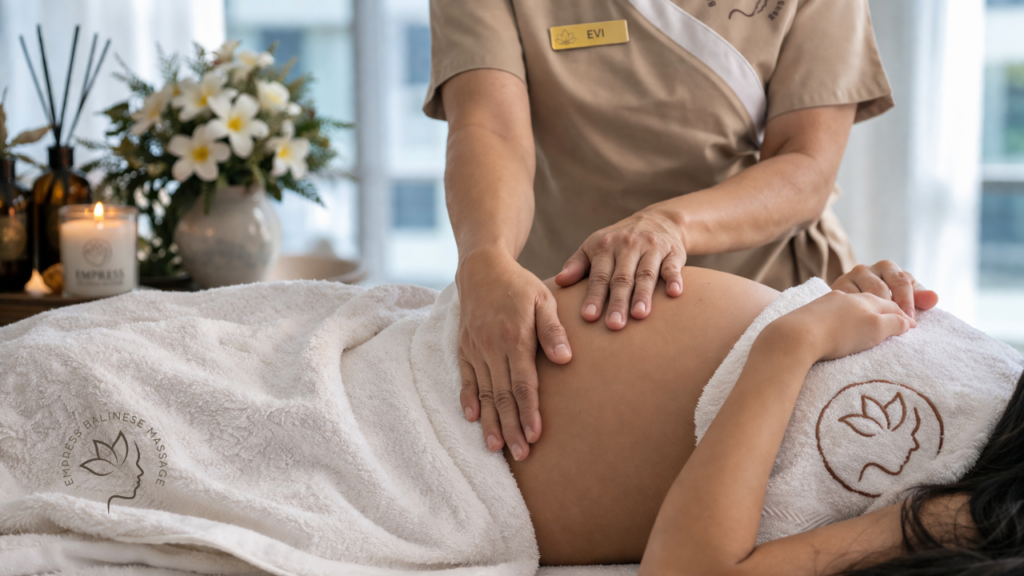
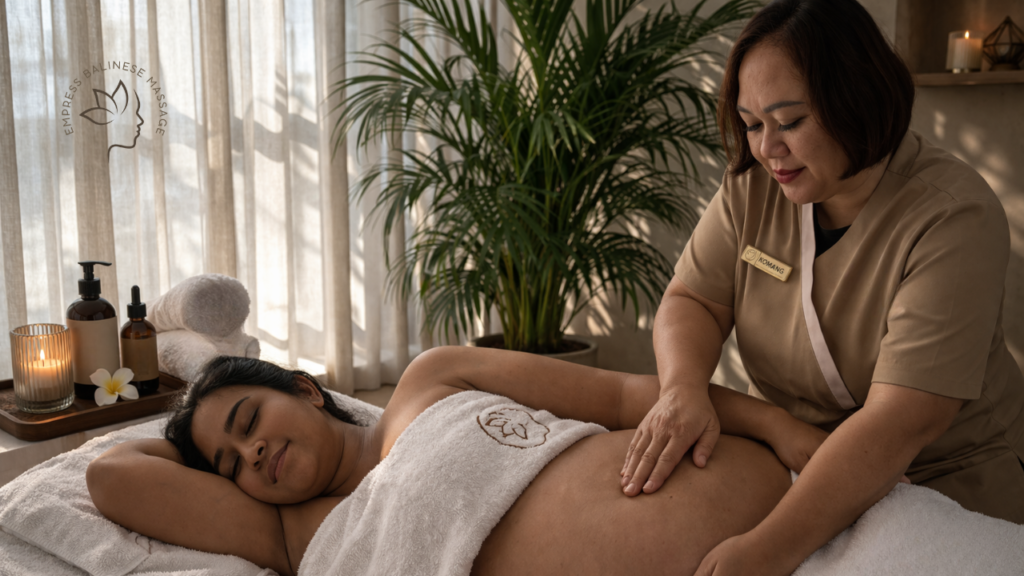
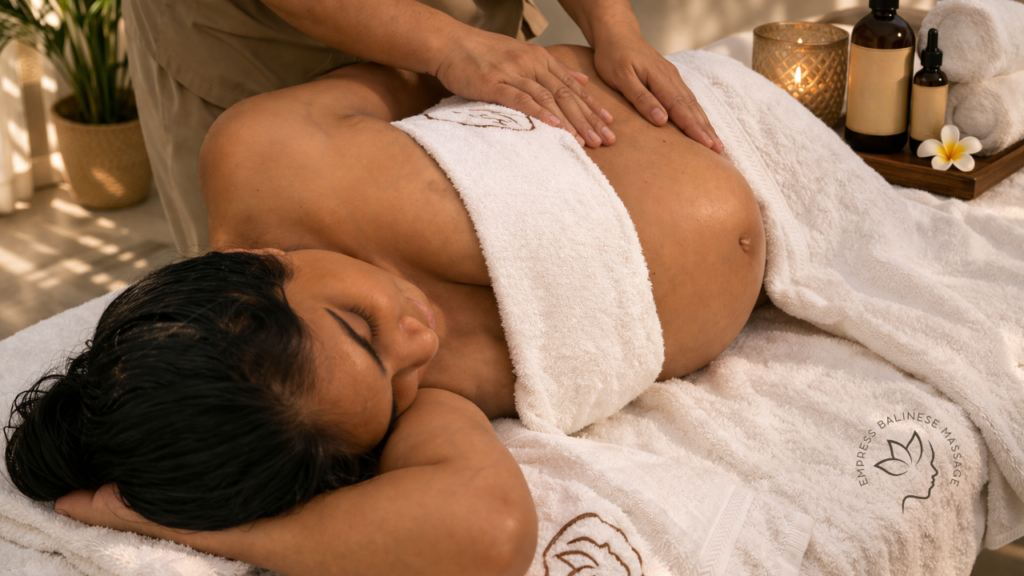
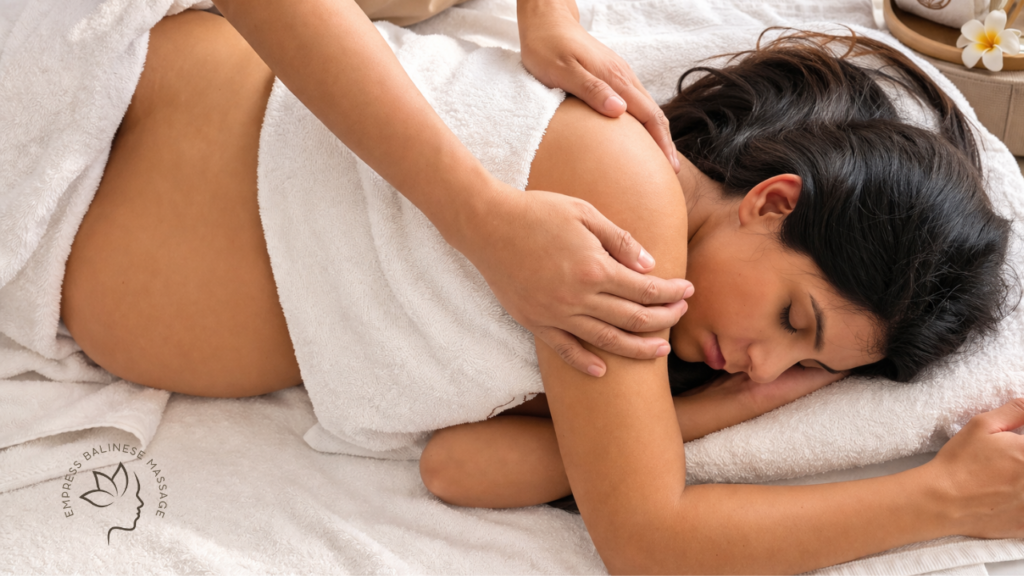
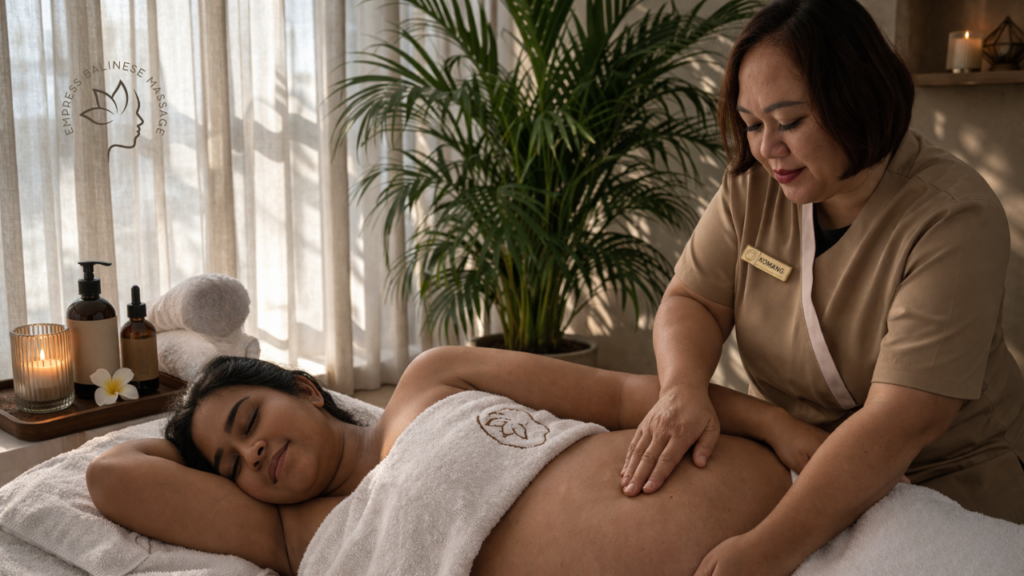
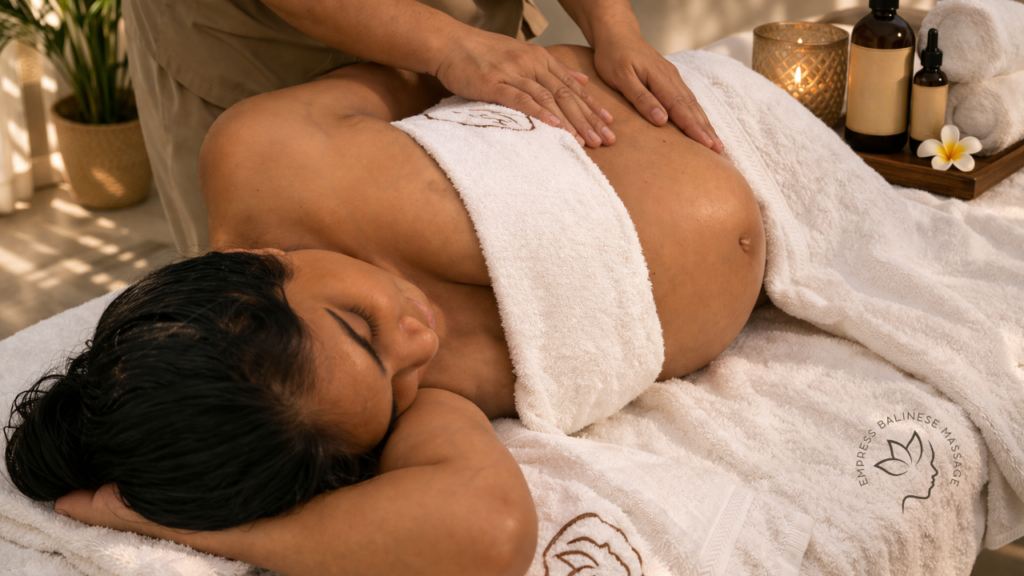
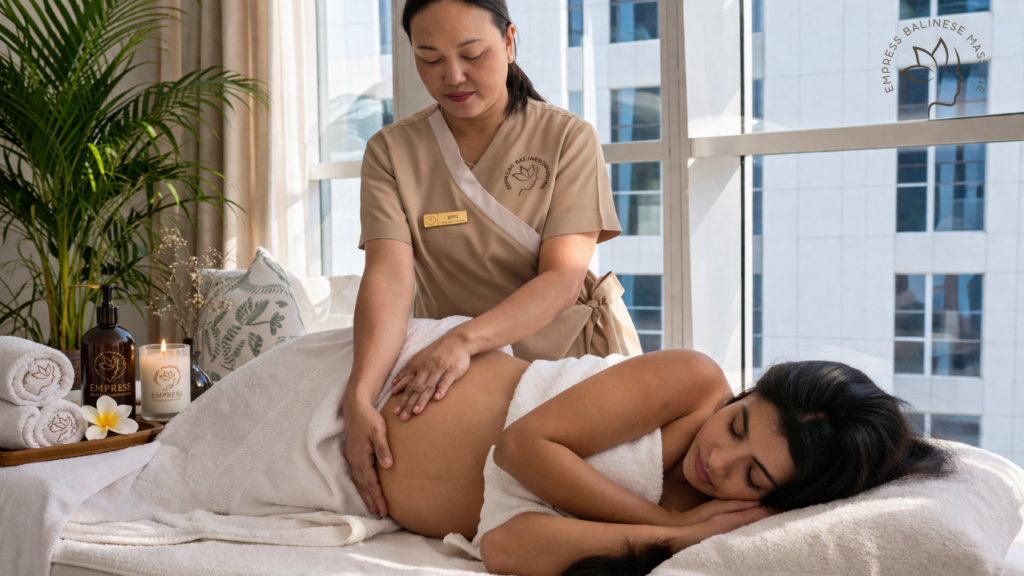
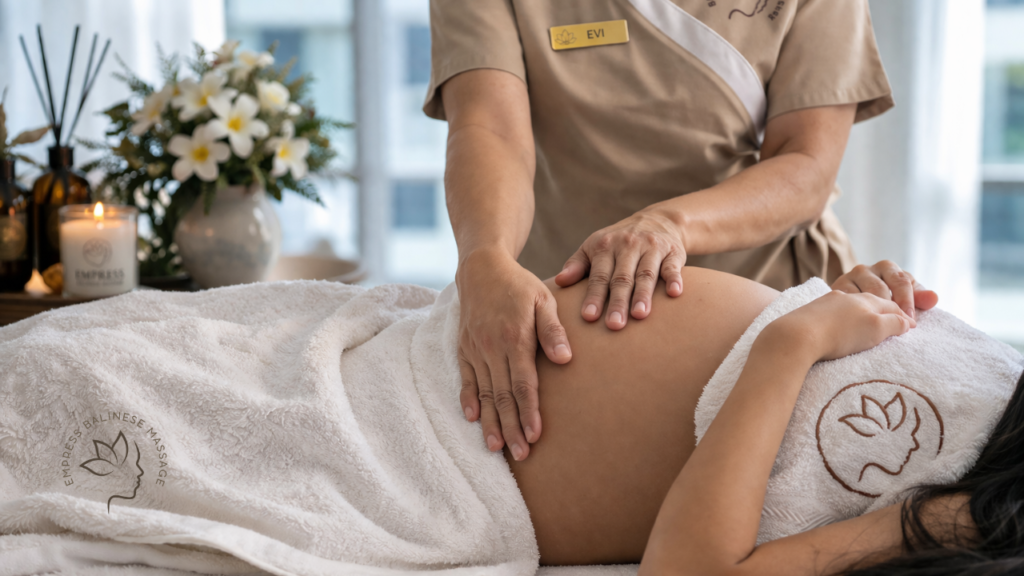
Pregnancy changes how the body feels, how it moves and how comfortable everyday positions can be. That is why massage during pregnancy should not simply be a standard massage with slightly lighter pressure. At Empress, prenatal massage begins from 20 weeks under our internal training-based service policy. This is an Empress service policy rather than a universal medical cut-off. It reflects how our therapists are trained to provide prenatal massage safely, comfortably and consistently. Why Does Empress Start Prenatal Massage at 20 Weeks? Pregnancy massage needs more consideration than a standard full-body treatment. The client’s position, pressure, comfort, stage of pregnancy and any medical guidance all need to be taken into account. At Empress, our therapists begin prenatal massage from 20 weeks onward because this is the point from which our pregnancy-specific training and treatment protocol applies. Before the massage begins, the therapist checks how many weeks pregnant you are, how you are feeling and whether there are any areas that need to be treated more gently or avoided. How Is Prenatal Massage Different from a Regular Massage? The biggest difference is how the treatment is adapted around pregnancy. At Empress, the mother is predominantly positioned on her side rather than lying flat for long periods. Support equipment is used to help make the position more comfortable, and pressure is adjusted throughout the session. The therapist can also spend more time on areas that commonly feel tired during pregnancy, such as: Back Shoulders Legs Feet Hips The goal is not to perform an intense treatment. The goal is to create a massage that feels supportive, comfortable and appropriate for the stage of pregnancy. What Position Is Used During Prenatal Massage? Empress primarily uses a supported side-lying position. Pregnancy support equipment helps the client remain comfortable while the therapist can still work effectively around the back, shoulders, hips and legs. The position can be adjusted throughout the treatment if needed. Comfort matters. If something does not feel right, the client should always tell the therapist so the position or pressure can be changed. What Pressure Is Used? Prenatal massage does not have one fixed pressure level. Some areas may feel better with very gentle work, while others can tolerate more pressure depending on the client and stage of pregnancy. At Empress, pressure is adapted throughout the treatment rather than applying the same intensity everywhere. Pregnancy is also not the time to prove that stronger pressure is better. A comfortable treatment that allows the body to relax is usually much more useful than pushing through unnecessary discomfort. What Are the Main Prenatal Massage Benefits? Many clients book prenatal massage because pregnancy can leave the body feeling tired, heavy or uncomfortable. Common reasons include: Back tension Shoulder tension Tired legs Heavy-feeling feet General body fatigue Difficulty relaxing A systematic review of massage during pregnancy has also explored its potential role in supporting maternal comfort and wellbeing. At Empress, the treatment remains focused on practical comfort rather than making exaggerated medical claims. For many expecting mothers, simply having a professional massage adapted to pregnancy can make the body feel more comfortable and relaxed. Can Prenatal Massage Help with Swollen Feet? Pregnancy can sometimes make the feet and legs feel heavy or puffy. Gentle massage may be included when appropriate, and Empress can adapt the session around the areas that feel most uncomfortable. If swollen feet are your main concern, our guide to massage for swollen feet during pregnancy explains this in more detail. Sudden, severe or unusual swelling is different from the everyday puffiness some pregnant women recognise and should be discussed with the appropriate medical professional. Can You Continue Prenatal Massage Later in Pregnancy? Yes, when the pregnancy is uncomplicated, the mother remains comfortable and there is no medical advice telling her to avoid massage. The treatment continues to be adjusted as the pregnancy progresses. A position that felt comfortable earlier may need more support later, and pressure preferences can change as the body changes. That is why the therapist checks in rather than assuming every prenatal session should feel exactly the same. When Should You Speak to Your Doctor or Midwife First? If you have a high-risk pregnancy, unexplained bleeding, blood-pressure concerns, unusual swelling, significant pain or have been advised to limit massage, speak with your doctor or midwife before booking. The same applies if your medical team has given you specific restrictions. Empress prenatal massage is designed to work around appropriate medical guidance, not replace it. Prenatal Massage at Home in Dubai Having prenatal massage at home removes one of the least relaxing parts of any treatment: travelling afterwards. The therapist brings the professional setup to your Dubai home or hotel, including the equipment needed to support a comfortable side-lying position. Once the massage finishes, you can stay where you are rather than getting dressed, driving and sitting in traffic again. For many expecting mothers, that convenience becomes even more valuable as pregnancy progresses. You can also check the Empress massage prices before choosing your session duration. 20+ Weeks Pregnant and Considering Massage? If you’re 20+ weeks pregnant and wondering whether prenatal massage is right for what you’re feeling, tell us how many weeks pregnant you are and which areas feel most uncomfortable. Our team can help you plan the right treatment and session length for your stage of pregnancy. WhatsApp Empress on +971 55 133 0557 to arrange your prenatal massage at home in Dubai.
Massage During Pregnancy: Why Empress Starts at 20 Weeks Read More »