Sports Massage for Active Dubai Lifestyles
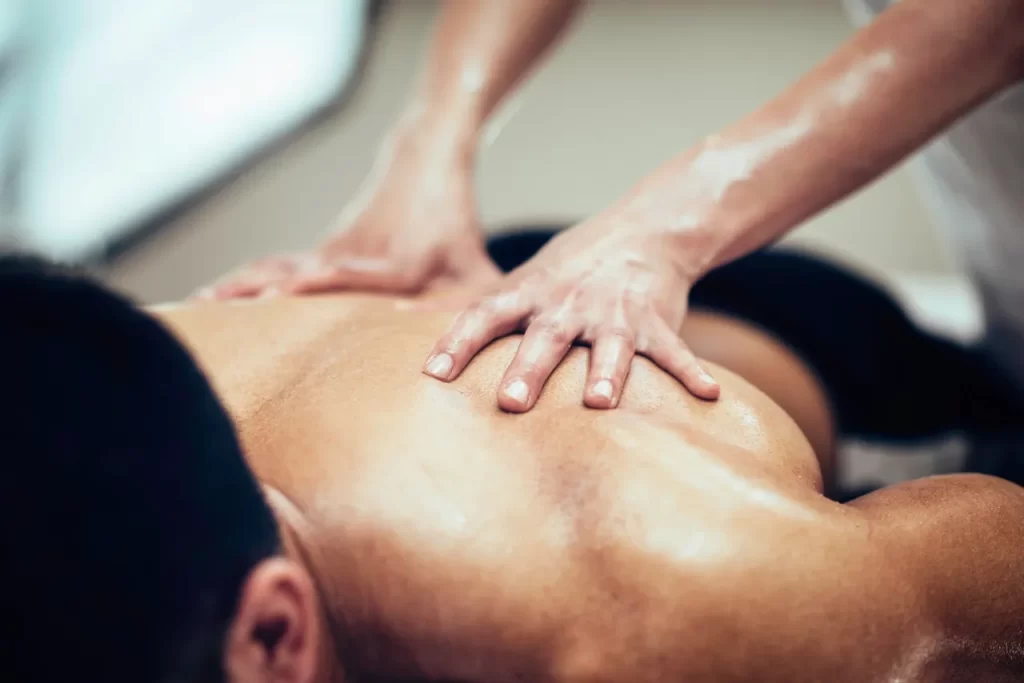
A sports massage Dubai session is designed around how your body is being used, where muscular fatigue is building and which areas need more focused attention. You do not need to be a professional athlete to book one. Sports massage may suit runners, cyclists, gym members, padel players, golfers, dancers and anyone whose active routine leaves particular muscles feeling tired or overworked. It can also be useful for people returning to exercise after a break, provided there is no injury requiring medical assessment. At Empress Balinese Massage, the treatment is personalised according to your activity, pressure preference, movement and current comfort. It should never be a painful routine applied simply because the service is labelled “sports massage.” What Is Sports Massage? Sports massage is a focused massage approach shaped around physical activity and muscular demand. The therapist may work more closely around the muscles used during your regular training, sport or movement routine. Depending on your needs, the session may include slower massage techniques, controlled pressure, kneading and suitable stretching. A sports massage may focus on areas such as the: Legs and calves Hips and glutes Lower back Shoulders Upper back Arms and forearms Feet The exact treatment depends on your activity. A runner may want more attention around the legs and hips, while someone who plays padel may feel greater fatigue around the shoulders, forearms and lower body. Sports massage should respond to the person rather than follow one universal athletic routine. Who Can Book Sports Massage? Sports massage is not limited to competitive athletes. It may appeal to people who: Exercise regularly Train at the gym Run or cycle Play padel, tennis or football Practise yoga or Pilates Play golf Attend fitness classes Spend long hours walking or standing Recently increased their activity level Feel muscular fatigue after travel or events Dubai lifestyles can involve early gym sessions, evening sports, long working hours and active weekends. When training is added to an already demanding schedule, recovery time may become limited. A home massage can create a dedicated opportunity to slow down without adding another drive or appointment outside the house. How Is Sports Massage Different from Relaxation Massage? A relaxation massage usually focuses more broadly on calm, comfort and an unhurried full-body experience. Sports massage tends to be more specific. The therapist may spend additional time around the muscular areas most affected by your activity. She may also ask more detailed questions about training, movement and when discomfort appears. The treatment may feel: Slower around selected areas More focused More movement-aware Firmer where appropriate Less evenly divided across the body Adapted to current training demands However, sports massage should not feel aggressively intense from beginning to end. Recovery still requires the body to relax. If the client is tightening, holding the breath or pulling away from pressure, the technique needs to change. Sports Massage Versus Deep Tissue Massage Sports massage and deep tissue massage Dubai may both use slower, focused pressure, but they are not exactly the same. Deep tissue massage usually concentrates on areas of persistent muscular tension. The therapist may spend a large part of the session working slowly around selected muscles. Sports massage is more closely shaped around activity. The therapist considers: Which sport or exercise you perform How often you train Which movements feel restricted or tiring Whether you are preparing for or recovering from an event Which muscle groups are used repeatedly Whether the discomfort appears during or after activity A deep tissue massage may suit someone who wants focused work around the shoulders or back, even if they are not highly active. Sports massage may suit someone whose muscular needs are clearly connected to exercise, training or movement. The two approaches may share techniques, but the purpose and consultation are different. What the Therapist Needs to Know Before the massage begins, the therapist should understand how your body is being used. She may ask: What activity or sport do you do? How often do you train? Which areas feel most tired? Did the discomfort begin suddenly or gradually? Does it affect movement? Is there swelling, bruising or weakness? Have you recently increased your training? Are you preparing for an event? Have you had an injury assessed? What pressure do you usually prefer? These questions help distinguish ordinary muscular fatigue from symptoms that may require medical or physiotherapy assessment. Massage should not be used to hide an injury or help someone continue training through serious pain. What the Therapist May Notice First An experienced therapist often observes movement before treatment. She may notice: One shoulder sitting higher More weight placed on one leg A restricted neck turn Tightness while bending Guarding around the lower back Uneven movement through the hips Muscle tension before touch Changes in breathing during movement These observations are not used to diagnose an injury. They help the therapist understand where support, positioning or gentler pressure may be needed. For example, a runner may report calf tightness, while the therapist also notices that one hip appears more guarded. The session may then include suitable surrounding areas rather than repeatedly pressing the calf alone. Does Sports Massage Need to Hurt? No. Sports massage may feel focused and strong, but it should not require you to tolerate sharp or overwhelming pain. The therapist should adjust the pressure if you: Hold your breath Tighten your entire body Pull away from touch Feel sharp pain Experience burning Notice numbness or tingling Feel sudden weakness Become unable to relax The phrase “no pain, no gain” should not guide a professional massage. More pressure is not always more effective. Sometimes slower movements, broader contact or additional work around connected muscles feels more appropriate than pressing harder on the most sensitive point. How Pressure Is Personalised A sports massage should not use the same pressure across every body area. The therapist may use more focused pressure around muscular areas that tolerate it while working more gently elsewhere. Pressure depends on: Your activity Muscular sensitivity The area
Sports Massage for Active Dubai Lifestyles Read More »