
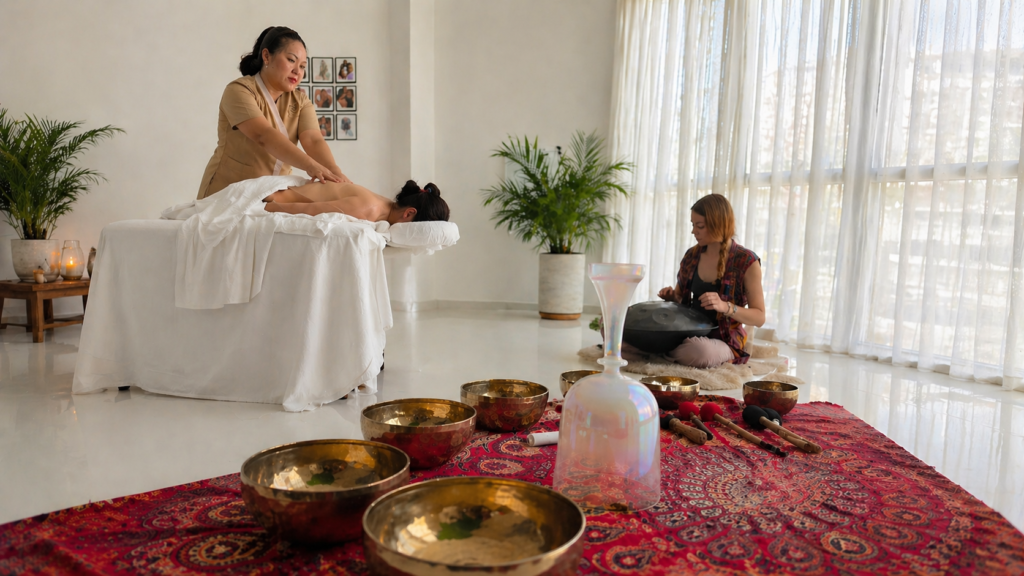
Balinese Massage at Home: What to Expect
A Balinese massage Dubai home appointment combines professional massage techniques with the comfort and privacy of your own space.
The therapist brings the massage table, fresh linens, clean towels and suitable massage oil, then creates a treatment around your pressure preferences and areas of tension.
You do not need to prepare a spa room or provide specialist equipment. You only need a quiet, private area with enough space for the therapist to set up safely.
From the booking conversation to the final moments after the equipment is packed away, a professional home massage should feel organised, personalised and easy.
Before the Therapist Arrives
The experience begins before the appointment.
When booking, the Empress team may ask:
- Which massage you would like
- Your preferred appointment time
- Your Dubai location
- Whether the treatment is at home or in a hotel
- Your preferred pressure
- Any areas requiring attention
- Injuries, sensitivities or health concerns
- Fragrance or oil preferences
- Building access or parking details
Sharing clear information helps the therapist arrive prepared for the treatment you selected.
Balinese massage may include flowing movements, kneading, gentle stretching and varied pressure. If you are unsure whether it suits your needs, explain what you want from the session rather than choosing only by name.
For example, you may want general relaxation, more attention around the shoulders or a balanced full-body treatment with moderate pressure.
Preparing the Room
A home massage does not require an elaborate setup.
Choose a room that is:
- Private
- Quiet
- Comfortable in temperature
- Large enough for a massage table
- Free from unnecessary obstacles
- Easy for the therapist to access
A bedroom, guest room or living area may all be suitable.
You may dim the lights, close the curtains or choose quiet background music if this helps you relax. Candles, decorations and special spa furniture are not necessary.
It is helpful to move small tables, bags or chairs before the therapist arrives so there is enough space to walk around the massage table.
For apartment buildings, villas and gated communities, keep access instructions ready. Clear parking, reception or security information can prevent delays.
The Therapist Arrives and Sets Up
For a home service massage Dubai appointment, the Empress therapist generally arrives approximately 10 to 15 minutes early.
This gives her time to:
- Enter the property
- Bring in the equipment
- Confirm the treatment area
- Open the massage table
- Arrange linens and towels
- Complete the consultation
- Prepare the oil
- Allow you to settle comfortably
The therapist should arrive in a clean uniform, communicate respectfully and handle the equipment carefully.
The setup should feel professional without disrupting your home. Personal items and furniture should be treated with care, and massage oils should remain organised throughout the visit.
What the Therapist Brings
The core setup may include:
- A professional massage table
- Freshly laundered linens
- Clean towels
- Suitable massage oil
- Support cushions or pillows where required
- Treatment-specific items confirmed during booking
You are not expected to provide a bed, sofa, sheets or massage oil.
A professional table matters because it provides a stable surface and allows the therapist to work from an appropriate height. It also gives her enough access to move safely around the client and control pressure consistently.
The Consultation Before Treatment
Before beginning, the therapist asks questions about what you need from the appointment.
This may include:
- Which areas feel tired or tense
- Whether you prefer light, medium or firm pressure
- Whether any body areas should be avoided
- Previous injuries or recent procedures
- Skin or fragrance sensitivity
- Previous massage experience
- Your preferred level of conversation
- How you would like to feel after the session
The consultation should not feel rushed.
Your answers help the therapist decide how much time to spend on each area, how gradually to increase pressure and whether stretching should be included.
Massage is a wellness service. New, severe or unexplained pain should be medically assessed rather than treated as ordinary muscular tension.
What the Therapist May Notice
An experienced therapist also pays attention to how you move before the massage begins.
She may notice:
- One shoulder resting higher
- A guarded lower back
- Difficulty turning the neck
- More weight being placed on one side
- Tightness appearing before touch
- A need for additional pillow support
- Changes in breathing when pressure increases
These observations are not used to diagnose a medical condition.
They help the therapist personalise the treatment and understand where to begin. The place that feels painful may not be the only area carrying tension.
How the Massage Usually Begins
Balinese massage often begins with broad, calming contact.
The therapist may start with slower movements to help the body settle and assess how you respond. From there, she may gradually introduce kneading, rhythmic pressure or gentle stretching where appropriate.
The treatment should feel connected rather than like separate body parts being worked on without flow.
A typical session may move through suitable areas such as the:
- Back
- Shoulders
- Neck
- Arms and hands
- Legs
- Feet
The exact sequence may change according to your focus areas and the treatment duration.
What Balinese Massage Feels Like
Balinese massage is known for its flowing and varied style.
During the appointment, you may experience:
- Long, connected massage movements
- Rhythmic kneading
- Slow, focused pressure
- Gentle assisted stretches
- Lighter techniques over sensitive areas
- Firmer attention around suitable muscular tension
- Smooth transitions between body areas
The massage should not feel mechanical.
The therapist may slow down around the shoulders, reduce pressure around a sensitive area or spend more time on the back if that is where you need the most attention.
The treatment adapts as the session progresses.
How Pressure Is Personalised
There is no single pressure level used throughout Balinese massage.
You may prefer stronger pressure around the shoulders but a gentler approach around the legs or feet. The therapist can change the intensity according to the body area.
She also watches how you respond.
Signs that pressure may be too strong include:
- Holding your breath
- Tightening your shoulders
- Clenching your hands
- Moving away from touch
- Tensing the legs
- Feeling sharp or burning pain
- Becoming unable to relax
If this happens, the therapist may reduce the pressure, change the technique or work around the area.
A focused massage does not need to be painful.
Is Stretching Always Included?
Gentle stretching may be included, but it is not compulsory.
The therapist considers your mobility, comfort and any relevant injuries before using assisted stretches. The movement should remain controlled and within a comfortable range.
You should never feel that a joint or muscle is being forced.
If stretching does not suit you, tell the therapist before or during the appointment. The massage can remain flowing and complete without including every traditional technique.
Can You Talk During the Massage?
Yes, but you are not expected to maintain conversation.
Some clients enjoy speaking during treatment. Others prefer silence so they can mentally switch off.
You may tell the therapist that you would like:
- Minimal conversation
- Quiet throughout most of the session
- Explanations before position changes
- Regular pressure checks
- Background music
- A completely silent room
The atmosphere should reflect what helps you relax.
Professional communication remains important, but it does not need to interrupt the calm of the treatment.
What Happens If Something Feels Uncomfortable?
Speak immediately rather than waiting for the therapist to finish the area.
You may ask for:
- Less pressure
- More pressure
- A change in position
- Additional pillow support
- Less oil
- A fragrance change
- A different focus area
- A pause
- An area to be avoided
The original plan is not fixed.
A professional therapist should respond without making you feel difficult or embarrassed. Your feedback helps her personalise the massage more accurately.
What Happens After the Massage?
Once the treatment is complete, the therapist gives you time to settle before getting up.
She then packs the massage table, used linens, towels and treatment supplies neatly.
The room should be left organised, and you should not need to carry or clean the professional equipment.
One of the strongest benefits of home massage is what happens next: nothing needs to happen immediately.
You can:
- Continue resting
- Change into comfortable clothing
- Have a quiet evening
- Avoid driving
- Skip traffic and parking
- Go directly to bed if the appointment was later in the day
The calm created during the massage can continue instead of ending at a spa reception.
Simple Aftercare
Aftercare does not need to be complicated.
You may prefer to:
- Stand up slowly
- Rest for a short time
- Drink according to your usual routine
- Avoid returning immediately to demanding activity
- Notice how your body responds later in the day
- Follow any personal medical guidance already provided to you
The therapist should not make exaggerated claims about toxins, permanent results or guaranteed pain relief.
Massage may support relaxation and muscular comfort, but it does not replace medical assessment or physiotherapy where these are needed.
Frequently Asked Questions
What is included in Balinese massage at home?
The treatment may include flowing full-body movements, kneading, gentle stretching and pressure adjusted around your preferences. The therapist also brings the massage table, fresh linens, towels and suitable massage oil.
Do I need to provide anything?
You only need to provide a private area with enough space for the massage table. Empress brings the professional equipment, linens, towels and treatment oil.
Is the massage performed on my bed?
No. The therapist brings a professional massage table. A bed or sofa may be too soft or difficult for the therapist to work around properly.
How much space is needed?
There should be enough space to open the massage table fully and allow the therapist to walk around it. A bedroom, guest room or clear living area may be suitable.
Can I choose the pressure?
Yes. Pressure preferences are discussed before treatment and can be adjusted at any time. The therapist may also use different pressure levels across different areas of the body.
Is Balinese massage painful?
It should not be painfully intense. Focused pressure may feel strong, but it should remain controlled and manageable. Tell the therapist immediately if you feel sharp pain, numbness, burning or discomfort.
Does Balinese massage include stretching?
Gentle stretching may be included when suitable, but it is not required. The therapist will consider your mobility, comfort and any relevant injuries.
Can I request an unscented oil?
Share any fragrance sensitivity or allergies when booking. The therapist can consider a more neutral or suitable option where available.
How early does the therapist arrive?
The therapist generally arrives approximately 10 to 15 minutes early to complete the consultation and set up the professional equipment without rushing.
Can Balinese massage be arranged in a Dubai hotel?
Yes, subject to therapist availability and the hotel’s visitor policies. Confirm external therapist access with the hotel before booking.
Let the Treatment Come to You
A Balinese massage at home removes everything that usually surrounds a spa appointment: the journey, reception, changing area and drive back.
Empress brings the professional setup into your own space, then shapes the massage around your pressure, pace and priorities. By the time the table is packed away, you are already exactly where you would normally be trying to get back to.
When booking, share the areas you want the therapist to focus on and how you prefer your massage to feel.
