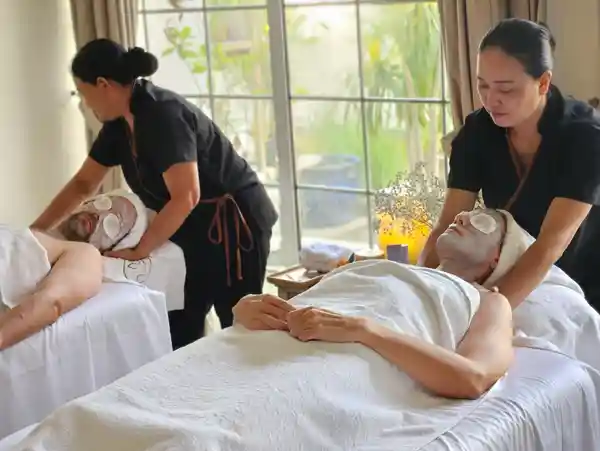
Nurturing the Mother-to-Be: Why Prenatal Massage Is More Than Just Pampering
Pregnancy is an extraordinary chapter in life, but it is also physically demanding and emotionally intense. What if a soothing massage could do more than just help you relax? At Empress Balinese Massage, prenatal massage is a clinical wellness service backed by research, tailored technique, and decades of wisdom, not just indulgence. Let’s explore why this gentle art is becoming a cornerstone of pregnancy care. Key Takeaways: Prenatal massage supports physical, hormonal, and emotional wellness during pregnancy, especially during the second and third trimesters. Certified massage therapists at Empress use targeted, evidence-based techniques adapted for pregnancy, with careful attention to safety. Clients report reduced back pain, improved sleep, and relief from anxiety and swelling, especially around the hips, back, and legs. Read real reviews here. Always consult your OB-GYN before booking. Each session at Empress is personalized and pregnancy-safe from start to finish. What Exactly Is Prenatal Massage? (And Why It’s a Game-Changer) Prenatal massage isn’t just a softer version of Swedish massage. It is a therapeutic approach rooted in clinical science, anatomy, and maternal care. During pregnancy, your body undergoes profound shifts such as spine curvature, weight distribution, and fluid retention. These shifts can lead to lower back pain, sciatica, hip tightness, and mood instability. A properly delivered prenatal massage can provide targeted relief, stimulate lymph flow, and balance cortisol levels. When Should You Begin Prenatal Massage? While prenatal massage is generally safe throughout pregnancy, most clients begin sessions during the second trimester (13–27 weeks) when miscarriage risk decreases and the body is better adjusted to hormonal changes. However, it can also be beneficial in the first trimester for those experiencing anxiety or sleep disturbances, provided it is administered by a trained prenatal specialist and approved by your doctor. Check our FAQs for more on timing and safety. What Sets Empress Balinese Massage Apart? At Empress Balinese Massage, prenatal sessions go beyond the typical spa experience. Therapists are trained in perinatal anatomy, fetal development, and pressure point avoidance. Here’s what you can expect: Side-lying support with pillows to avoid uterine pressure. Lower back and hip relief using light-to-moderate pressure and myofascial release. Swelling reduction through lymphatic stimulation techniques. Stress reduction by modulating cortisol, dopamine, and serotonin levels. Client testimonial: “By week 24, my lower back was killing me. I walked into Empress barely able to stand. I walked out feeling like myself again.” — Tina, first-time mom. Evidence-Based Benefits of Prenatal Massage Prenatal massage has clinically documented benefits. According to the Journal of Psychosomatic Obstetrics & Gynecology, it can: Reduce stress hormones (like cortisol) Boost serotonin and dopamine Reduce the intensity and duration of labor Improve sleep quality and reduce leg cramps Here’s how the benefits stack up across trimesters: Trimester Common Issues Massage Benefits 1st Nausea, anxiety, fatigue Gentle strokes calm the nervous system and improve mood 2nd Back pain, hip tightness, poor sleep Hip release and circulation techniques offer deep relaxation 3rd Swelling, sciatica, stress Lymphatic drainage and grounding techniques stabilize mood Is It Safe? The EEAT Breakdown Let’s apply the EEAT framework: Experience: Empress therapists are trained in prenatal physiology and massage safety protocols. Expertise: Techniques are developed in consultation with obstetricians and certified bodyworkers. Authoritativeness: Endorsed by OB-GYNs and backed by clinical studies. Trustworthiness: Client intake forms, clear communication, and full disclosure are mandatory before every session. Always speak to your OB before scheduling, especially if you have a high-risk pregnancy such as placenta previa or gestational diabetes. How to Prepare for a Session at Empress To get the most out of your appointment: Eat a light meal or snack about an hour before. Wear loose, comfortable clothes. Arrive 10 minutes early for a full intake form and conversation with your therapist. Be prepared to discuss your pregnancy stage, discomfort zones, and medical updates. Frequently Asked Questions Is prenatal massage covered by insurance? Sometimes, especially when prescribed for medical reasons. Check with your provider. How long does a session last? Typically between 60 to 75 minutes. View our price list for details. Can I bring my partner? Yes. Empress offers couples prenatal massage sessions upon request. Do you use oils or creams? Yes, only hypoallergenic, pregnancy-safe options are used. Learn more in our FAQs. Summary Prenatal massage is not just a pampering perk. It is clinical care for the modern mom-to-be. Whether you are battling back pain, anxiety, or poor sleep, a visit to Empress Balinese Massage can be a game-changer. With experienced hands, clinical wisdom, and whole-person care, Empress ensures every session supports not just your pregnancy but your peace of mind.
Nurturing the Mother-to-Be: Why Prenatal Massage Is More Than Just Pampering Read More »