
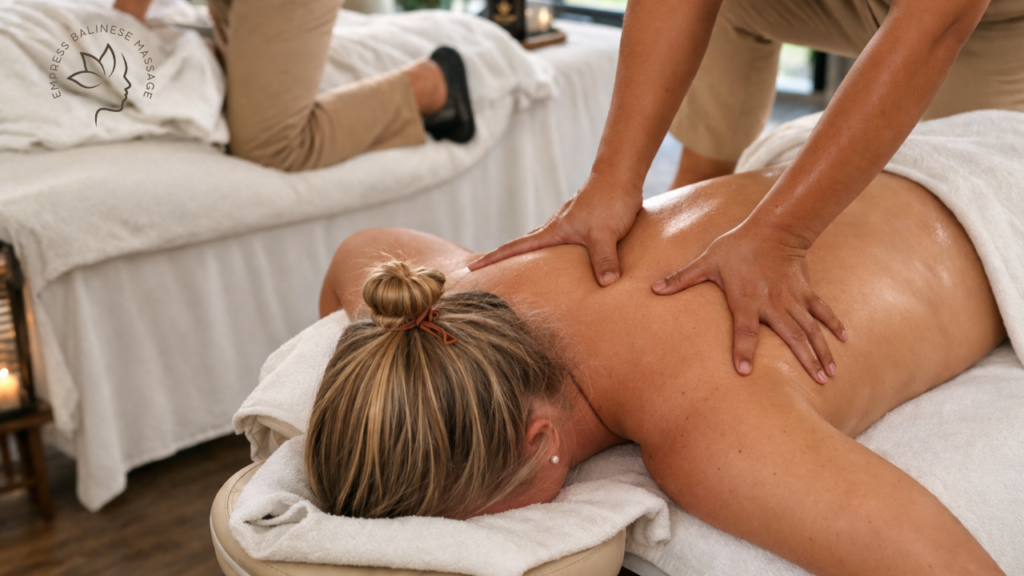
Lomi Lomi massage is a traditional Hawaiian bodywork practice known for long, flowing and continuous massage movements. Therapists may use their hands and forearms to create broad strokes that move across different areas of the body in a connected rhythm.
The word “lomi” is commonly understood to relate to rubbing, kneading or soothing touch. However, Lomi Lomi is more than one standard massage sequence. Its practice may vary between Hawaiian families, teachers and traditions.
Modern wellness centres often present Lomi Lomi as an oil-based relaxation massage. Traditional forms may carry deeper cultural, spiritual and family significance, so the treatment should be described with respect rather than reduced to a spa trend.
Clients who enjoy flowing massage but cannot find Lomi Lomi locally may consider Balinese massage Dubai, which offers its own combination of rhythmic movements, kneading, gentle stretching and personalised pressure.
What Makes Lomi Lomi Massage Different?
The most recognisable feature of Lomi Lomi massage is its continuous flow.
Instead of treating the back, arms and legs as completely separate areas, the therapist may use long movements that connect one part of the body to another. Forearm techniques are often used to create broad contact without concentrating pressure into one small point.
A Lomi Lomi-inspired session may include:
- Long, sweeping movements
- Rhythmic forearm techniques
- Hands-on kneading
- Continuous transitions between body areas
- Massage oil
- Gentle joint or body movement
- Pressure adapted to the client
- A calm and unhurried pace
The client may experience several movements happening in a smooth sequence rather than waiting for one area to be completed before the therapist moves to the next.
The aim is generally to create a sense of continuity, comfort and relaxation.
Where Does Lomi Lomi Massage Come From?
Lomi Lomi originates from Hawaiian healing and bodywork traditions.
Different forms were historically practised within families and communities, and knowledge could be passed between generations. Techniques and purposes were not necessarily identical across every practitioner or lineage.
This matters because Lomi Lomi should not be described as though there is one universal routine that represents all Hawaiian practice.
Some modern versions focus mainly on flowing forearm massage. Traditional approaches may also be connected with cultural values, prayer, breath, family knowledge or broader wellbeing practices.
A responsible wellness description should acknowledge these Hawaiian roots without making exaggerated spiritual claims or presenting cultural practices as decoration.
What Does Lomi Lomi Massage Feel Like?
Lomi Lomi often feels broad, rhythmic and deeply flowing.
The therapist may use the forearms to move across larger muscular areas, then use the hands for more focused kneading or controlled pressure.
Clients may notice:
- Long movements across the back
- Broad forearm contact
- Changes between light and firmer pressure
- Smooth transitions from one area to another
- A steady, almost wave-like rhythm
- Less emphasis on repeatedly pressing one point
The experience should not feel rushed or mechanical.
Although the movements may be continuous, the therapist should still pay attention to individual sensitivity, preferred pressure and areas the client does not want included.
Flow should never replace communication.
Why Are Forearms Commonly Used?
The forearms allow the therapist to create broad pressure across larger areas.
Compared with a fingertip or thumb, the forearm spreads contact over a wider surface. This can create a smooth and grounded sensation without concentrating all the pressure into one small point.
Forearm movements may be used around suitable areas such as the:
- Back
- Shoulders
- Arms
- Legs
- Hips
The therapist should maintain control at all times.
Broad pressure can still feel too intense if the therapist uses excessive force or moves over a sensitive area. Clients should speak up if they experience sharp pain, numbness, burning or discomfort.
Is Lomi Lomi a Full-Body Massage?
Lomi Lomi is commonly presented as a full-body treatment because its flowing movements are designed to create continuity across the session.
However, a full-body massage does not mean every area must receive equal time.
The treatment should still be adapted according to:
- The client’s reason for booking
- Pressure preferences
- Sensitive areas
- Injuries or health concerns
- Personal boundaries
- Treatment duration
- Areas the client wants excluded
A client may want a generally flowing treatment while requesting more attention around the shoulders or back.
The therapist should explain the treatment and draping clearly before beginning, especially because some Lomi Lomi styles use broad movements across connected body areas.
Is Oil Used During Lomi Lomi Massage?
Yes, massage oil is commonly used in modern Lomi Lomi treatments.
Oil helps the therapist’s hands and forearms move smoothly across the body without unnecessary friction. It supports the long, uninterrupted movements associated with the style.
Before treatment, clients should mention:
- Skin allergies
- Fragrance sensitivity
- Recent skin treatments
- Rashes or irritation
- Personal scent preferences
The oil should support the massage rather than make the client uncomfortable.
A professional therapist should also use appropriate draping and explain which areas will be included before the massage starts.
Does Lomi Lomi Massage Use Deep Pressure?
Lomi Lomi can include varied pressure, but it is not defined by extreme intensity.
Some movements may feel gentle and soothing, while others may use firmer forearm pressure around suitable muscular areas.
The therapist should consider:
- The body area
- The client’s sensitivity
- Previous massage experience
- Health considerations
- Breathing and muscle response
- Verbal feedback
A client should not need to tolerate pain to experience the flowing quality of the treatment.
If the client begins holding their breath, tightening the body or moving away from contact, the therapist should reduce the pressure or change the technique.
Lomi Lomi Massage Versus Balinese Massage
Lomi Lomi and Balinese massage are both oil-based treatments that may feel rhythmic and connected. However, they come from different cultures and have distinct treatment characteristics.
Cultural Origin
Lomi Lomi comes from Hawaiian bodywork traditions.
Balinese massage is influenced by traditional Indonesian massage practices.
The cultural names should not be used interchangeably.
Massage Flow
Lomi Lomi is especially known for long, sweeping movements and the frequent use of the forearms.
Balinese massage also includes flowing movements, but it may combine them more visibly with kneading, rhythmic pressure and gentle stretching.
Pressure
Both treatments can use varied pressure.
Lomi Lomi may feel broad and continuous because of the forearm techniques. Balinese massage may move between long strokes and more focused work around particular areas.
Stretching
Gentle movement may be included in some Lomi Lomi sessions, depending on the practitioner.
Balinese massage may include gentle assisted stretching as part of a personalised treatment.
Overall Experience
Lomi Lomi may appeal to someone who enjoys uninterrupted, wave-like movements and broad forearm contact.
Balinese massage may suit someone who wants flowing relaxation combined with kneading, varied pressure and selected stretching.
Neither treatment is universally better. The right choice depends on the experience the client prefers.
Lomi Lomi Massage Versus Deep Tissue Massage
Lomi Lomi and deep tissue massage have different priorities.
Deep tissue massage generally uses slower and more concentrated pressure around areas of persistent muscular tension. The therapist may spend a large portion of the appointment working on selected areas.
Lomi Lomi usually places greater emphasis on continuity and full-body flow.
A Lomi Lomi treatment may still feel firm, but it is not usually designed around repeatedly working one tension point.
Deep tissue massage may suit someone seeking:
- Targeted muscular attention
- Slower focused pressure
- More time on selected areas
Lomi Lomi may suit someone seeking:
- Broad flowing movements
- Full-body continuity
- Forearm-based techniques
- Relaxation with varied pressure
Who May Enjoy Lomi Lomi Massage?
Lomi Lomi may appeal to clients who:
- Enjoy oil-based massage
- Prefer broad rather than highly concentrated pressure
- Want a flowing full-body treatment
- Find repetitive point pressure uncomfortable
- Enjoy a steady and connected rhythm
- Prefer long massage movements
- Want a relaxation-focused experience
It may feel less suitable for someone who wants the therapist to spend most of the appointment working deeply on one small area.
The therapist should still personalise the treatment rather than expecting every client to enjoy the same flow or pressure.
When May Lomi Lomi Be Unsuitable?
Massage may need to be postponed or adapted when there is:
- A recent injury
- Recent surgery
- A suspected blood clot
- Active infection or fever
- Broken or irritated skin
- Severe unexplained pain
- Significant bruising
- Unusual swelling
- Numbness or weakness
- Medical advice to avoid massage
Broad massage movements should never pass repeatedly over an area that may require medical assessment.
Clients should disclose relevant health information before treatment rather than assuming that a relaxation-focused massage is suitable in every situation.
Is Lomi Lomi Suitable During Pregnancy?
A standard Lomi Lomi treatment should not automatically be provided during pregnancy.
The long movements, body positioning, pressure and areas included would need to be adapted according to the pregnancy stage and the client’s medical circumstances.
Pregnant clients require a specialised prenatal massage service with supported positioning, appropriate consultation and pregnancy-specific boundaries.
Empress provides prenatal massage from 20 weeks onward, predominantly using supported side-lying positioning. This should not be confused with a standard Lomi Lomi treatment.
Pregnancy should always be disclosed during booking.
What If Lomi Lomi Is Not Available?
Clients are often drawn to Lomi Lomi because they want a massage that feels flowing, connected and less mechanical.
When an authentic Lomi Lomi practitioner is not available, Balinese massage may offer some related sensory qualities while remaining a separate treatment tradition.
Balinese massage may include:
- Flowing oil-based movements
- Rhythmic kneading
- Varied pressure
- Gentle stretching
- Full-body relaxation
- Additional attention around selected muscular areas
The therapist should never label Balinese massage as Lomi Lomi. However, clients can explain that they enjoy long, connected movements so the Balinese treatment can be personalised around that preference.
What to Expect from Balinese Massage at Home
Empress provides Balinese massage in Dubai homes and hotels.
The therapist brings:
- A professional massage table
- Freshly laundered linens
- Clean towels
- Suitable massage oil
- Support cushions where required
She generally arrives approximately 10 to 15 minutes early to prepare the space and complete the consultation.
Before treatment, the therapist asks about pressure preferences, areas requiring attention, sensitivities and the type of experience the client wants.
A client who likes the idea of Lomi Lomi may request a flowing Balinese treatment with smooth transitions and balanced full-body attention.
The therapist will still work within authentic Balinese techniques rather than claiming to provide another cultural massage tradition.
Frequently Asked Questions
What is Lomi Lomi massage?
Lomi Lomi is a Hawaiian bodywork tradition commonly associated with long, flowing massage movements. Modern sessions may use the hands and forearms with massage oil to create broad, continuous contact across suitable areas of the body.
Is Lomi Lomi massage performed with oil?
Yes, oil is commonly used in modern Lomi Lomi massage to support the long, sweeping movements of the hands and forearms. Clients should mention allergies, sensitive skin or fragrance preferences before treatment.
Is Lomi Lomi a deep massage?
It can include firm pressure, but it is not defined by extreme depth. The treatment generally focuses more on broad, connected flow than concentrated pressure on one muscular point.
Does Lomi Lomi massage hurt?
It should not feel sharply painful. Some forearm techniques may feel strong, but the pressure should remain controlled. Tell the therapist if you experience burning, numbness or discomfort.
What is the difference between Lomi Lomi and Balinese massage?
Lomi Lomi comes from Hawaiian traditions and is known for long, sweeping forearm movements. Balinese massage is influenced by Indonesian practices and may combine flowing techniques, kneading, stretching and varied pressure.
Which treatment is more relaxing?
Both can feel relaxing. Lomi Lomi may appeal to clients who enjoy broad, uninterrupted movements. Balinese massage may suit those who want flow with more varied techniques and focused muscular attention.
Does Lomi Lomi include stretching?
Some practitioners may include gentle movement, but techniques vary between traditions and therapists. Clients should ask the provider what their particular session includes.
Is Lomi Lomi massage suitable during pregnancy?
A standard session should not automatically be provided during pregnancy. Pregnant clients require prenatal consultation, supported positioning and pregnancy-appropriate techniques.
Does Empress offer Lomi Lomi massage?
Lomi Lomi is not listed as an Empress service. Empress specialises in Balinese and other personalised massage treatments delivered to Dubai homes and hotels.
Can Balinese massage be provided at home?
Yes. Empress provides Balinese massage in Dubai homes and hotels. The therapist brings the professional table, clean linens, towels and suitable massage oil.
Looking for a Flowing Massage Experience?
Lomi Lomi is distinctive because of its Hawaiian roots and broad, continuous forearm movements. It should be appreciated as its own bodywork tradition rather than used as another name for any flowing oil massage.
For a personalised service available in Dubai, Empress brings authentic Balinese massage to your home or hotel. Tell the team that you enjoy long, connected movements, and your therapist can shape the pressure and treatment flow around that preference while remaining true to the Balinese service.
