
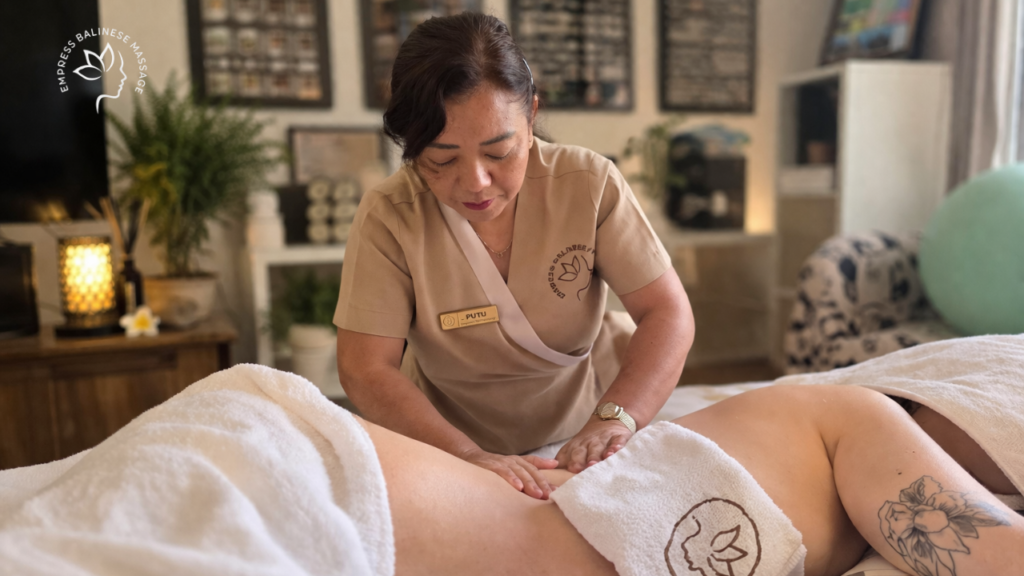
A gentle lymphatic drainage massage Dubai appointment may support relaxation and help some new mothers feel more comfortable when the body feels heavy or mildly puffy after pregnancy.
The treatment uses slow, light and rhythmic movements rather than deep pressure. It should not be promoted as a way to force fluid out of the body, remove toxins, produce weight loss or speed up recovery from childbirth.
Timing matters. Before booking a postnatal massage, the mother’s type of birth, healing progress, current symptoms and medical guidance should all be considered.
Why Can the Body Feel Puffy After Birth?
The body continues changing after the baby is born.
Some women notice puffiness around the feet, ankles, legs or hands. Time spent resting, reduced movement, medication, intravenous fluids and the physical demands of childbirth may all influence how the body feels during recovery.
Swelling can have several causes, and unexplained or worsening swelling should not automatically be treated with massage. General oedema may affect one or both legs, but severe, sudden, painful, red or hot swelling requires medical assessment.
A massage therapist cannot determine the medical cause of swelling. The consultation should identify when massage may be appropriate and when the mother should first speak with her doctor or maternity team.
What Is Postnatal Lymphatic Drainage Massage?
Postnatal lymphatic drainage massage is a gentle treatment adapted around the mother’s recovery after birth.
The therapist uses light, controlled movements across suitable areas while avoiding wounds, sensitive tissues and anything that has not fully healed.
A session may include:
- Slow, rhythmic massage movements
- Light pressure
- Comfortable positioning with pillows
- Gentle work around suitable areas
- Regular comfort checks
- A calm and unhurried pace
This treatment is very different from deep tissue massage.
More pressure does not make lymphatic drainage more effective. The client should not feel that the therapist is forcefully pressing, squeezing or pushing swelling through the body.
What Benefits May Postnatal Massage Offer?
The potential benefits of postnatal massage should be described realistically.
Some new mothers may find that a gentle session supports:
- Relaxation
- General physical comfort
- A lighter or less heavy feeling
- Rest during a demanding stage
- Comfort around tired feet and legs
- Time to slow down in a private setting
These experiences vary from one client to another.
Massage cannot guarantee that swelling will disappear. It also cannot replace medical treatment for a diagnosed lymphatic condition, blood clot, infection or postpartum complication.
When Can You Book After Giving Birth?
There is no single booking date that is suitable for every new mother.
The timing depends on:
- Whether the birth was vaginal or caesarean
- Bleeding and healing
- Stitches, tears or wounds
- Birth complications
- Blood-clot risk
- Pain levels
- Current medication
- Guidance from the maternity healthcare provider
A mother who had an uncomplicated vaginal birth may have different recovery needs from someone who had a caesarean section, significant bleeding, infection or another medical concern.
Being discharged from hospital does not automatically mean every massage technique is suitable.
When there is uncertainty, medical approval should come before the appointment.
What If You Had a Caesarean Section?
A caesarean section is major abdominal surgery, so the incision must be protected while it heals.
The therapist should not massage directly over a recent caesarean wound. Pressure around the abdomen should also be avoided unless healing has been confirmed and the client’s healthcare provider has said it is appropriate.
NHS guidance advises keeping the wound clean and dry and watching for signs of infection during recovery.
Scar massage is a separate practice from general lymphatic drainage massage. NHS hospital guidance advises waiting until a caesarean wound is fully healed, with no scabs or openings, before beginning scar massage and checking with a midwife, health visitor or doctor when uncertain.
A gentle massage elsewhere on the body may sometimes be considered earlier, but only when positioning is comfortable and medical circumstances allow it.
What Happens During the Consultation?
Before a postnatal treatment begins, the therapist should ask about the mother’s recovery.
Questions may include:
- When did you give birth?
- Was the birth vaginal or caesarean?
- Are there stitches, wounds or areas still healing?
- Was there heavy bleeding or another complication?
- Is there swelling in one area or both sides?
- Does any area feel painful, red or hot?
- Are you taking blood-thinning medication?
- Has your doctor or midwife approved massage?
- Which positions currently feel comfortable?
- Are you breastfeeding or experiencing breast sensitivity?
These questions are not used to diagnose a condition.
They help the therapist decide whether the treatment should proceed, be modified or be postponed.
Why Blood-Clot Awareness Is Essential After Birth
The risk of venous thrombosis is highest immediately after birth and remains increased during the first six weeks, although blood clots are still uncommon.
Symptoms of a possible deep vein thrombosis usually affect one leg and may include:
- Redness
- Heat
- Swelling
- Pain or tenderness
- A heavy feeling in the leg
These symptoms require immediate medical advice rather than massage.
Sudden breathing difficulty, chest pain, coughing blood, collapse or feeling seriously unwell may indicate a pulmonary embolism and require emergency medical help.
A therapist must never massage a leg when a blood clot is suspected.
Other Symptoms That Need Medical Attention
Massage should be postponed if the mother feels significantly unwell or has symptoms that may indicate a postpartum complication.
Seek medical advice for concerns such as:
- Heavy or increasing bleeding
- Fever
- Severe abdominal pain
- A headache that does not improve
- Changes in vision
- Sudden or extreme swelling
- Pain or swelling in one leg
- Chest pain
- Difficulty breathing
- A caesarean wound that is red, swollen, opening or producing discharge
Postpartum warning signs can develop after the mother has returned home, so a wellness appointment should never delay medical assessment.
How Is the Mother Positioned?
Comfortable positioning is especially important after birth.
The mother may not feel ready to lie face down, particularly if she has breast tenderness, is breastfeeding or has recently had abdominal surgery.
Depending on comfort, the therapist may use:
- Supported side-lying
- A gently reclined position
- Pillows behind the back
- Support beneath the legs
- Additional cushioning around sensitive areas
The therapist should ask before every position change.
A position that feels comfortable at the beginning may become tiring after several minutes. The treatment can be shortened, paused or adapted whenever needed.
Which Areas May Be Included?
The treatment plan depends on healing, symptoms and medical suitability.
Appropriate areas may include the:
- Feet
- Lower legs
- Arms
- Hands
- Back
- Shoulders
The therapist may avoid the abdomen, caesarean wound, healing stitches and any area that feels unusually painful or sensitive.
If the client has breast discomfort, blocked ducts, fever or possible mastitis, she should speak with an appropriate healthcare professional. A general massage therapist should not present the session as treatment for a breastfeeding condition.
Does Lymphatic Drainage Remove Post-Pregnancy Weight?
No.
Lymphatic drainage massage does not remove body fat or guarantee weight loss after pregnancy.
A client may temporarily feel lighter or less puffy, but this should not be confused with permanent fat loss or body transformation.
The treatment also does not:
- Flatten the abdomen
- Tighten loose skin
- Remove toxins
- Permanently change body shape
- Replace movement or nutrition
- Speed up surgical healing
- Guarantee reduced swelling
Responsible postnatal care respects the body’s recovery rather than placing pressure on the mother to “bounce back.”
Why Home Massage Can Suit New Mothers
Leaving home with a newborn can involve feeding schedules, changing bags, lifts, parking and planning around sleep.
A home appointment removes that journey.
The therapist brings the professional treatment setup directly to the client’s Dubai home. This may include:
- A professional massage table
- Freshly laundered linens
- Clean towels
- Suitable massage oil
- Support cushions and pillows
The mother can choose a quiet room, remain close to her baby and avoid travelling immediately after the treatment.
The appointment may still need to pause for feeding or another unexpected interruption. A calm postnatal service should recognise that flexibility may be part of caring for a new mother.
What to Expect from Empress
The Empress therapist arrives approximately 10 to 15 minutes early to prepare the treatment area and complete the consultation.
The massage begins gently. Pressure, positioning and treatment areas are adapted according to the mother’s recovery and response.
The therapist may reduce the treatment time or avoid certain areas if the client becomes uncomfortable.
Afterward, the equipment is packed neatly and quietly so the mother can remain at home rather than immediately returning to traffic, parking or a busy spa environment.
The goal is not dramatic transformation. It is a respectful, comfort-focused experience during a period when the body may need patience more than intensity.
Frequently Asked Questions
What are the benefits of lymphatic drainage massage after pregnancy?
Some mothers find that gentle massage supports relaxation, physical comfort and a less heavy or puffy feeling. Results vary, and massage should not be presented as a cure for swelling or a treatment for a medical lymphatic condition.
How soon after birth can I book?
There is no universal waiting period. Timing depends on the type of birth, healing, complications, current symptoms and guidance from your maternity healthcare provider. Medical approval is especially important after surgery or a complicated delivery.
Can I book after a caesarean section?
A gentle massage away from the incision may be considered when your healthcare provider agrees and positioning is comfortable. The therapist should not massage directly over a caesarean wound that has not fully healed.
Does postnatal massage reduce swelling?
It may support comfort and help some clients feel less heavy, but reduced swelling cannot be guaranteed. Sudden, painful, hot, red or one-sided swelling requires medical assessment rather than massage.
Is the massage painful?
No. Lymphatic drainage massage generally uses light and rhythmic pressure. Sharp pain, burning, numbness, dizziness or unexpected tenderness should be reported immediately.
Can I receive massage while breastfeeding?
Breastfeeding itself does not automatically prevent general massage, but positioning may need to be adapted for breast tenderness and comfort. Speak with a healthcare professional about breast pain, redness, fever or suspected mastitis.
Can lymphatic drainage help me lose post-pregnancy weight?
No. The treatment does not remove body fat or provide permanent weight loss. Temporary changes in puffiness should not be confused with fat loss.
When should I avoid postnatal massage?
Postpone massage if you have heavy bleeding, fever, severe pain, a suspected infection, sudden swelling, one-sided leg pain or swelling, chest pain, breathing difficulty or an unhealed surgical wound.
Can postnatal massage be provided at home?
Yes. Empress can bring the professional massage setup to Dubai homes, subject to client suitability and therapist availability. The therapist provides the table, linens, towels, oil and support equipment.
Let Recovery Move at Its Own Pace
The weeks after birth are not a deadline for returning to a previous body. They are a period of healing, adjustment and learning what feels comfortable again.
When your healthcare provider is satisfied with your recovery, Empress can arrange a gentle postnatal treatment in your Dubai home. Share your birth date, type of delivery, current symptoms and any medical guidance when enquiring so the session can be planned with care rather than assumptions.
